

Have you ever felt your vehicle struggling to shift gears or noticed unusual noises when driving? These could be signs of low transfer case fluid, a crucial component in your vehicle’s drivetrain. Ignoring these symptoms can lead to bigger problems down the road.
In this article, you’ll learn about the key indicators that your transfer case might be low on fluid. Understanding these symptoms can help you catch issues early and save you from costly repairs. Whether you’re a seasoned driver or just starting out, knowing what to look for can keep your vehicle running smoothly and ensure a safer ride.
Key Takeaways
- Recognize Symptoms: Key indicators of low transfer case fluid include unusual noises, difficulty shifting gears, and dashboard warning lights. Early detection can prevent costly repairs.
- Understand Function: The transfer case is essential for distributing power, enabling gear selection, and activating driving modes in four-wheel and all-wheel-drive vehicles.
- Identify Causes: Common reasons for low transfer case fluid include leaks, improper maintenance, and excessive use of four-wheel drive. Awareness of these factors helps maintain fluid levels.
- Check Fluid Levels: Regularly inspect your transfer case fluid levels using simple tools. Ensure to add the recommended fluid type if levels are low.
- Maintain Regularly: Schedule routine checks at least every six months to prevent issues and prolong the lifespan of the transfer case. Regular maintenance is crucial for optimal vehicle performance.
What Is a Transfer Case?
A transfer case is a vital component of a vehicle’s drivetrain, particularly in four-wheel-drive and all-wheel-drive systems. It distributes power from the transmission to the front and rear axles, allowing for better traction on different terrains.
Function of the Transfer Case
- Power Distribution: The transfer case transfers power from the transmission to all wheels. It enables balanced torque, improving vehicle stability and control.
- Gear Selection: Most transfer cases have options for high and low gear ranges. Low gear offers increased torque for off-road driving or steep hills, while high gear is optimal for on-road conditions.
- Driving Mode Activation: You can switch between two-wheel and four-wheel drive through the transfer case. Engaging four-wheel drive enhances grip and performance in challenging situations, such as snow or mud.
- Lubrication: Transfer case fluid lubricates moving parts, reducing friction and wear. Proper lubrication ensures smooth operation and extends the lifespan of the component.
- Cooling: The fluid also aids in cooling. As the transfer case operates under heavy load, it generates heat. Adequate fluid levels help dissipate this heat, preventing overheating and potential damage.
- Seal Health: Good fluid quality maintains the integrity of seals within the transfer case. Contaminated or low fluid levels can lead to leaks, which may cause significant drivetrain issues if not addressed.
By understanding the role of the transfer case and the critical nature of its fluid, you enhance your ability to maintain your vehicle’s performance and safety.
Symptoms of Low Transfer Case Fluid
Low transfer case fluid can lead to several noticeable symptoms. Recognizing these signs early can help prevent further damage to your vehicle’s drivetrain.
Recommended Products

Full-synthetic transfer case fluid for on-demand and full-time AWD/4x4 systems across European, Asian, and US OEMs. Compatible with Porsche Cayenne/Macan, BMW xDrive, Audi Quattro, Land Rover/Range Rover, Nissan, Mercedes-Benz 4MATIC (MB 239.41 Torque-on-Demand), Genesis/Kia TF-0870B (G70, G80, G90, Stinger AWD).


Transfer Case Shift Motor's OEM: YC3Z7G360AA, YC3Z7G360B, YC3Z 7G360-AA, DC3Z7G360A, 600-805, 600805
Unusual Noises
You may hear grinding or clunking noises when the vehicle is in gear. Such sounds indicate that metal parts are making contact without proper lubrication. Pay attention to any strange noises, as this often means that the transfer case fluid is low and unable to lubricate the gears effectively.
Difficulty in Shifting
Difficulty in shifting gears can occur when the transfer case fluid level is low. If you experience hard or stubborn gear changes, it points to potential fluid issues. This symptom can lead to further complications, so addressing any shifting problems promptly is essential.
Warning Lights on Dashboard
Warning lights on your dashboard can signal low transfer case fluid levels. If the check engine light or other related indicators illuminate, it’s crucial to investigate further. These warnings can provide insight into the state of your transfer case and indicate potential issues needing immediate attention.
Causes of Low Transfer Case Fluid
Low transfer case fluid occurs for several reasons that can impact your vehicle’s performance. Recognizing these causes helps maintain your drivetrain’s health.
Recommended Products
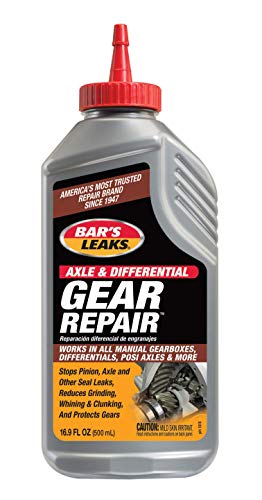
STOPS PINION, AXLE, OUTPUT SHAFT AND OTHER SEAL LEAKS: This is a treatment additive for use with automotive, heavy duty, agricultural, marine and industrial gear oils.

Specifically approved for use in GM automatic four-wheel drive vehicles with transfer cases

WORKS WITH ALL ENGINE OIL, TRANSMISSION FLUID AND POWER STEERING FLUIDS: Bar's Leaks One Seal multipurpose stop leak effectively seals all minor engine oil, transmission and power steering system leaks.
Leaks in the System
Leaks are a primary cause of low transfer case fluid. Over time, seals and gaskets wear down, resulting in fluid escaping. Look for signs of fluid on the ground under your vehicle or damp spots around the transfer case. Address leaks immediately to prevent further fluid loss and subsequent damage.
Improper Maintenance
Improper maintenance contributes significantly to low transfer case fluid levels. Neglecting regular fluid checks and changes may lead to contamination and degradation of the fluid. Follow your vehicle’s maintenance schedule and check the transfer case fluid every few months or as recommended. Regular changes keep fluid effective, ensuring proper lubrication and cooling.
Excessive Use of Four-Wheel Drive
Excessive use of four-wheel drive may accelerate fluid depletion. Heavy off-road driving or frequent use of four-wheel drive can cause the fluid to heat rapidly, breaking it down faster. Be mindful of how you engage four-wheel drive, and ensure that it’s used only when necessary to preserve fluid life and maintain system efficiency.
How to Check Transfer Case Fluid Levels
Checking your transfer case fluid levels regularly helps maintain your vehicle’s performance. Follow the steps below to ensure the fluid is at the right level.
Recommended Products

Easy Fluid Transfer: This Performance Tool W4084 Flexible Spout features an easy to use on/off valve to control the flow of fluid without spills.

Note About Funnel Size - Please look at the 2ND picture before ordering. Will this funnel size work for your application? Be aware, it will not hold an entire quart of fluid, and is better suited for small/medium volume fluid changes. For most small to medium sized vehicles, this kit will be adequate for adding up to 5 quarts. If you plan to use this for larger applications (5+ quarts), it may take a bit longer to add all that fluid.

Tools Needed
- Rag or paper towel: For cleaning the dipstick and checking fluid condition.
- Funnel: To add fluid easily if levels need replenishing.
- Transfer case fluid: Make sure to use the recommended type for your vehicle.
- Socket wrench: For removing any necessary covers or bolts.
- Measuring container: To measure fluid levels if needed.
- Locate the Transfer Case: Find your vehicle’s transfer case. It’s usually positioned between the transmission and the front or rear axles.
- Look for a fill plug, typically located on the side of the transfer case.
- Use a socket wrench to remove the fill plug.
- If fluid spills out, the level’s adequate. If not, you need to add fluid.
- Inspect the Fluid Condition:
- Use a rag or paper towel to wipe the dipstick if your transfer case has one.
- Check the color and consistency. Healthy fluid looks clean and has a clear or slightly reddish tint. Dark, gritty, or burnt-smelling fluid indicates a problem.
- Add Fluid If Necessary:
- If the fluid level is low, use a funnel to add the recommended transfer case fluid until it reaches the correct level.
- Reinstall the fill plug securely, checking for leaks.
- Repeat Regularly: Check the fluid levels at least every 6 months or when you notice symptoms of low fluid. Regular maintenance prevents potential issues down the line.
Conclusion
Keeping an eye on your transfer case fluid is crucial for your vehicle’s health. Addressing low fluid levels promptly can save you from expensive repairs down the line. Regular checks every six months or when you notice any symptoms can make a big difference in maintaining smooth operation.
Don’t wait until problems arise; take proactive steps to ensure your drivetrain runs efficiently. By staying vigilant and performing routine maintenance, you’ll not only enhance your vehicle’s performance but also enjoy a safer driving experience.
Frequently Asked Questions
What is transfer case fluid, and why is it important?
Transfer case fluid is a lubricant used in a vehicle’s drivetrain. It plays a crucial role in power distribution, gear selection, and activating different driving modes. This fluid ensures smooth operation of components, aids in cooling, and maintains seals, which is vital for vehicle performance and safety.
How can I tell if my transfer case fluid is low?
Symptoms of low transfer case fluid include unusual noises from the drivetrain, difficulty in shifting gears, warning lights on the dashboard, and a noticeable change in handling. If you notice any of these signs, it’s essential to check your fluid levels immediately.
What causes low transfer case fluid levels?
Low transfer case fluid levels can result from leaks, improper maintenance, or excessive use of four-wheel drive. Regular checks and maintenance are necessary to prevent these issues and ensure the longevity of your vehicle’s drivetrain.
How do I check my transfer case fluid levels?
To check your transfer case fluid, locate the transfer case in your vehicle, remove the fill plug, and use a dipstick or your finger to check the fluid level and condition. If the fluid appears dirty or low, it may need to be topped up or replaced.
How often should I check my transfer case fluid?
It is recommended to check your transfer case fluid every six months or whenever you notice symptoms of low fluid. Regular inspections can help maintain optimal vehicle performance and prevent potential drivetrain issues.
What is the procedure to add transfer case fluid?
To add transfer case fluid, first, ensure you have the appropriate type of fluid. With the vehicle on level ground, remove the fill plug, use a funnel to add the fluid until it reaches the recommended level, and then replace the plug securely.
Can I drive with low transfer case fluid?
Driving with low transfer case fluid is not advisable, as it can lead to drivetrain damage and potential costly repairs. If you suspect low fluid levels, it’s best to check and address the issue before continuing to drive your vehicle.
