

The transmission fluid reservoir on a Dodge Challenger is typically located near the back of the engine bay, adjacent to the engine. Accessing it involves identifying the correct component and ensuring the vehicle is on a level surface for accurate fluid checks.
Transmission Fluid Reservoir Location in Dodge Challenger
The transmission fluid reservoir is crucial for maintaining proper fluid levels in your Dodge Challenger. It is generally found near the engine, specifically on the driver’s side. This location allows for easy access when checking or refilling the fluid. Knowing where to find this reservoir can save time during maintenance.
Recommended Products

Compatible With: ChrysIer 300 2011-2014 3.6L 5.7L Engine, Dodge Charger Challenger 2011-2014 3.6L 5.7L Engine.
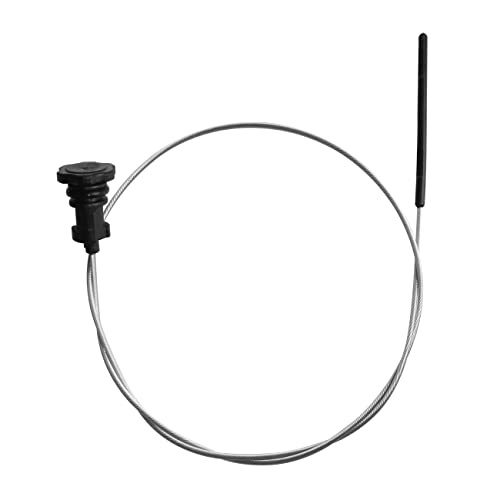
Compatible Models: Oil Dipstick for Dodge Challenger 2011 2012 for Dodge Charger 2006 2007 2008 2009 2010 2011 2012 for Dodge Magnum 2005 2006 2007 2008
Engine Bay Layout Inspection Guide
Understanding the engine bay layout of a Dodge Challenger is essential for effective maintenance, particularly when locating the transmission fluid reservoir. This guide provides a detailed inspection of the engine map, helping you identify key components and their positions within the engine bay. With this knowledge, you can ensure your vehicle operates smoothly and efficiently.
Before attempting to locate the reservoir, perform a visual inspection of the engine bay. This step ensures you are familiar with the layout and can identify the components more easily. Look for the following:
-
Transmission dipstick: Usually marked with a bright color.
-
Fluid lines: These connect the reservoir to the transmission.
-
Labeling: Some vehicles have labels indicating fluid types.
Transmission Fluid Reservoir Symptoms Guide
Understanding the symptoms of transmission fluid issues is crucial for maintaining the performance of your Dodge Challenger. Recognizing these signs early can help prevent more significant problems down the line. This guide outlines the key symptoms that indicate your transmission fluid may need attention.
| Symptom | Primary Suspect | Difficulty (1-5) |
|---|---|---|
| Low transmission fluid warning | Leaking reservoir | 3 |
| Slipping gears | Contaminated fluid | 4 |
| Overheating transmission | Insufficient fluid | 2 |
Accessing the Transmission Fluid Reservoir
Locating the transmission fluid reservoir on a Dodge Challenger is crucial for maintaining optimal vehicle performance. Understanding its position can simplify routine checks and fluid changes, ensuring your transmission operates smoothly. This section provides detailed guidance on how to access the reservoir efficiently.
Accessing the transmission fluid reservoir requires a few basic steps. Ensure the vehicle is parked on a flat surface and the engine is cool. Follow these steps for a safe and effective process.
-
Open the hood: Use the hood release lever inside the vehicle.
-
Locate the reservoir: Look for the transmission dipstick and reservoir on the driver’s side.
-
Check fluid level: Remove the dipstick and wipe it clean. Reinsert it and remove it again to check the fluid level.
-
Add fluid if necessary: Use a funnel to pour the recommended transmission fluid into the reservoir, ensuring not to overfill.
Transmission Fluid Problems and Solutions
Transmission fluid issues can lead to significant performance problems in your Dodge Challenger. Understanding common transmission fluid problems and their solutions is essential for maintaining your vehicle’s health. This section will explore typical issues drivers face and provide practical advice for addressing them effectively.
Understanding common issues related to transmission fluid can help you maintain your vehicle effectively. Here are some frequent problems and their causes:
-
Leaking fluid: Often caused by worn seals or damaged lines.
-
Contaminated fluid: Can result from overheating or prolonged use.
-
Air bubbles: May indicate a need for a fluid change or a system flush.
Dodge Challenger Transmission Fluid Options
Understanding the transmission fluid options for the Dodge Challenger is essential for maintaining optimal performance. This section explores the various types of transmission fluids compatible with the Challenger, detailing their properties and benefits. Whether you’re a DIY enthusiast or a seasoned mechanic, knowing your options can help you make informed decisions for your vehicle’s maintenance.
Choosing the right transmission fluid is essential for optimal performance. Here are some recommended options for the Dodge Challenger:
-
ATF+4: This fluid is specifically designed for Chrysler vehicles and provides excellent protection.
-
Synthetic blends: Offer enhanced performance in extreme temperatures.
-
OEM fluids: Always consider using manufacturer-recommended fluids for best results.
Recommended Products
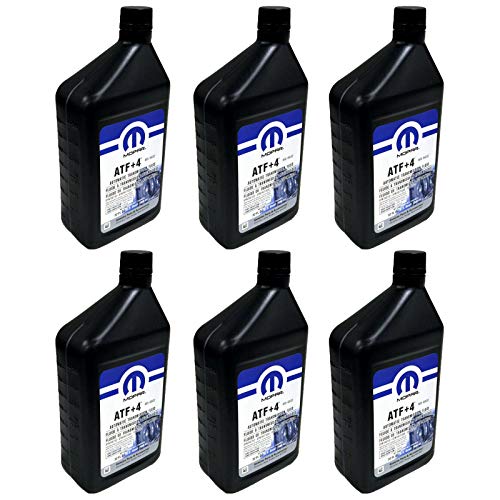
Genuine OEM Dodge/Mopar factory fit part

Exceeds demands of automatic transmissions of most Chrysler, Dodge, Ram & other Stellantis vehicles

For use in 95% of vehicles including most CVTs in operation with US registered light duty applications
Transmission Fluid Specifications for Dodge Challenger
Understanding the transmission fluid specifications for the Dodge Challenger is crucial for maintaining optimal performance and longevity. This section provides detailed information on the type of fluid required, its capacity, and the recommended maintenance intervals to ensure your vehicle operates smoothly. Proper knowledge of these specifications can prevent potential issues and enhance your driving experience.
| Fluid Type | Viscosity | Temperature Range | Manufacturer |
|---|---|---|---|
| ATF+4 | 9.5 cSt @ 100°C | -40°F to 175°F | Chrysler |
| Synthetic Blend | 10 cSt @ 100°C | -20°F to 200°F | Various |
| OEM | 9.0 cSt @ 100°C | -30°F to 180°F | Dodge |
Transmission Fluid Maintenance Guidelines
Proper maintenance of your Dodge Challenger’s transmission fluid is crucial for optimal performance and longevity. Understanding where the transmission fluid reservoir is located and how to check and change the fluid can help ensure your vehicle runs smoothly. The following guidelines will provide essential steps for maintaining your transmission fluid effectively.
Regular maintenance of your transmission fluid can extend the life of your vehicle. Here are some essential tips:
-
Check fluid levels regularly: At least once a month or before long trips.
-
Change fluid every 30,000 miles: This prevents buildup and contamination.
-
Inspect for leaks: Look for fluid spots under the vehicle.
Recommended Products

EASY TO READ :Clear marks on the metal tip promise easy-to-read oil levels.

SAME TOOL THE DEALER USES:【For select Chrysler Dodge Jeep VW vehicles】Level Measuring tool Designed to check and adjust ATF fluid on your vehicle. / Allows you to check fluid level without going to the Dealer.

Reference OE Number:8863B (For reference only)
Transmission Fluid Maintenance Risks
Understanding the risks associated with transmission fluid maintenance is crucial for Dodge Challenger owners. Neglecting this aspect can lead to significant mechanical issues, affecting performance and longevity. This section will explore potential pitfalls and the importance of regular checks to ensure the health of your vehicle’s transmission system.
Neglecting transmission fluid maintenance can lead to severe transmission damage.
Transmission Fluid Reservoir Location Guide
Understanding the location of the transmission fluid reservoir is essential for maintaining your Dodge Challenger’s performance. This guide provides detailed insights into where you can find the reservoir, ensuring that you can easily access and check your transmission fluid levels. Proper maintenance of this fluid is crucial for the longevity and efficiency of your vehicle’s transmission system.
Understanding the location and maintenance of the transmission fluid reservoir on your Dodge Challenger is vital for vehicle longevity. Regular checks and using the correct fluid will ensure your transmission operates smoothly.
