

Have you ever wondered when it’s time to change your transfer case fluid? If you’ve noticed unusual noises or shifting issues in your vehicle, it might be a sign that your transfer case needs some attention.
Keeping the transfer case fluid fresh is essential for maintaining your vehicle’s performance and longevity. This article will guide you through the signs that indicate it’s time for a change and help you understand the benefits of staying on top of this maintenance task. By the end, you’ll feel confident in knowing when to take action, ensuring your ride stays smooth and reliable.
Key Takeaways
- Recognize Signs of Deterioration: Unusual noises, difficulty shifting gears, fluid leaks, overheating, and dashboard warning lights are key indicators that your transfer case fluid needs changing.
- Understand Fluid Importance: Fresh transfer case fluid is vital for lubrication, temperature regulation, smooth operation, and prevention of internal damage.
- Follow Recommended Change Intervals: Generally, change transfer case fluid every 30,000 to 60,000 miles, but refer to your owner’s manual for specific guidance.
- Consider Driving Conditions: Frequent towing, off-roading, and extreme temperatures may necessitate more regular fluid changes, as these conditions put extra stress on the transfer case.
- Use Proper Tools for Fluid Change: Changing transfer case fluid can be done at home with basic tools and new fluid specified for your vehicle, which promotes vehicle efficiency.
- Dispose of Old Fluid Responsibly: Always recycle old transfer case fluid at appropriate recycling centers or auto parts stores to minimize environmental impact.
Understanding Transfer Case Fluid
Transfer case fluid plays a vital role in the functioning of your vehicle’s drivetrain. It lubricates the transfer case, allows smooth shifting between drive modes, and helps dissipate heat, ensuring optimum performance.
What Is Transfer Case Fluid?
Transfer case fluid is a specific lubricant designed for the transfer case of four-wheel-drive and all-wheel-drive vehicles. This fluid maintains effective operation by providing necessary lubrication to the gears and bearings within the transfer case. Each vehicle model often requires a unique type of transfer case fluid, identified in your owner’s manual. Examples include automatic transmission fluid (ATF) or specialized transfer case oils.
Importance of Transfer Case Fluid
Maintaining clean transfer case fluid is crucial for several reasons:
- Lubrication: Proper lubrication minimizes wear and tear on components, promoting longevity.
- Temperature Regulation: Fluid helps keep operational temperatures down, preventing overheating.
- Smooth Operation: It ensures smooth shifting between different drive modes without hesitation or grinding.
- Fluid Contamination Prevention: Regular changes prevent dirt and metal particles from damaging internal parts.
Recognizing the need to change transfer case fluid helps avoid costly repairs down the road. Regular fluid checks and changes contribute significantly to overall vehicle performance and reliability.
Signs That Indicate You Need to Change Transfer Case Fluid
Recognizing the signs that your transfer case fluid requires a change can prevent severe issues down the line. Here are some indicators that shouldn’t be overlooked.
Recommended Products

【Multiple Applications】This transmission fluid pump fits standard quart bottles come with 28mm bottle cap,with an 8cc per pump stroke capacity,Suitable for dozens of uses including oil changes,siphoning gasoline,and transferring a wide range of fluids such as engine oil, biodiesel, kerosene, or shampoo,detergent.

Efficient Pumping: This fluid transfer pump comes with two different height suction tubes for quart bottles of different heights, making it easy to reach the bottom of the bottle. Easily control the amount of fluid pumped out without worrying about overfilling, making oil change operations easier on boats and vehicles.
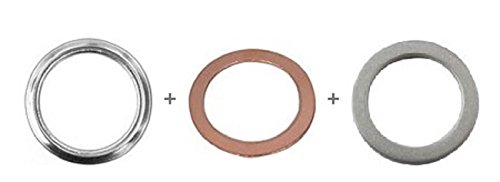
GENUINE TOYOTA GASKET KIT
Common Symptoms of Deterioration
- Unusual Noises: If you hear grinding, clunking, or whining sounds while shifting, the transfer case fluid may be low or contaminated.
- Difficulty Shifting Gears: Trouble switching between drive modes might indicate poor lubrication and necessitate a fluid change.
- Fluid Leaks: Spots of reddish or brown fluid under your vehicle are signs of leakage, meaning you need to inspect the fluid level immediately.
- Overheating: If the transfer case feels excessively hot to the touch, it might not be getting the cooling benefits from adequate fluid levels.
- Dashboard Warning Lights: If the check engine light illuminates, it could relate to the transfer case or fluid condition.
- Driving Conditions: Frequent towing, off-roading, or navigating rough terrain increases the need for more regular changes due to additional stress on the fluid.
- Mileage: Generally, consider changing the transfer case fluid every 30,000 to 60,000 miles. Always refer to your owner’s manual for specific recommendations.
- Fluid Type: Synthetic fluids can last longer than conventional options. Check your vehicle’s specifications to determine the best fluid type.
- Age of Vehicle: Older vehicles might require more frequent changes as parts wear down and fluid degrades quicker.
- Fluid Appearance: If the fluid looks dark, murky, or has a burnt smell, it’s time for a change, regardless of mileage.
By staying attentive to these signs and factors, you ensure your transfer case operates smoothly and efficiently.
Recommended Change Intervals
Regularly changing transfer case fluid is crucial for optimal drivetrain performance. Follow the specified guidelines to maintain your vehicle’s efficiency and longevity.
Recommended Products

Specifically approved for use in GM automatic four-wheel drive vehicles with transfer cases

2-PACK – 2 LITERS TOTAL Includes two 1-liter bottles of GM Transfer Case Auto Fluid, Part Number 19540587, providing 2 liters of fluid total.

Long lasting endurance
Manufacturer Guidelines
Consult your vehicle’s owner manual for specific recommendations on transfer case fluid change intervals. Most manufacturers suggest changing the fluid every 30,000 to 50,000 miles. Some newer models may have extended intervals, so referencing the manual ensures adherence to manufacturer standards.
Driving Conditions and Their Impact
Driving conditions play a significant role in determining fluid change needs. Factors include:
- Off-Roading: If you frequently drive off-road, consider changing the fluid every 15,000 to 25,000 miles due to increased debris and stress on the transfer case.
- Towing: Regular towing can elevate the temperature of the transfer case fluid, necessitating earlier changes, typically around 20,000 miles.
- Extreme Temperatures: Operating your vehicle in extreme heat or cold may affect fluid viscosity and performance. Check fluid condition every season in such environments.
- Stop-and-Go Traffic: Consistent stop-and-go driving intensifies wear and tear, suggesting more frequent fluid changes at intervals closer to 30,000 miles.
Evaluating these conditions helps you determine the frequency of transfer case fluid changes for your specific driving habits.
How to Change Transfer Case Fluid
Changing transfer case fluid involves a few simple steps. Keeping up with this maintenance task ensures your vehicle runs smoothly.
Recommended Products

Recommended replacement part for your vehicle’s original factory component

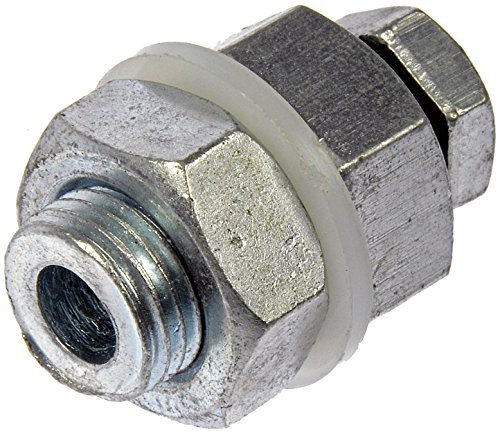
Direct replacement - this transmission drain plug matches the dimensions and function of the factory hardware on specified vehicle years, makes and models
Tools and Materials Needed
- Transfer case fluid – Ensure it’s the type specified in your owner’s manual.
- Drain pan – Use this to collect old fluid.
- Wrench set – A socket or combination wrench will help you remove bolts.
- Funnel – This makes pouring new fluid easier.
- Rags or shop towels – Keep these handy for spills and cleanup.
- Safety goggles and gloves – Protect your eyes and hands during the process.
- Locate the transfer case – Find it under your vehicle, typically near the center, connected to the transmission and driveshafts.
- Lift the vehicle – Use a jack and jack stands to elevate the vehicle safely. Ensure it’s secure before proceeding.
- Remove the fill plug – Use a wrench to loosen and take out the fill plug first. This prevents a vacuum from forming later when draining.
- Drain the old fluid – Place the drain pan underneath the drain plug. Remove the drain plug and let the old fluid completely drain out.
- Inspect the fluid – Check the old fluid for metallic particles or a burnt smell. These signs indicate potential issues.
- Reinstall the drain plug – Clean the plug and reinstall it tightly once the fluid has drained.
- Add new fluid – Use a funnel to pour the new transfer case fluid through the fill hole. Fill it until the fluid runs out of the fill plug hole.
- Replace the fill plug – Install the fill plug securely, ensuring no leaks occur.
- Test drive the vehicle – Take a short drive, then check for leaks around the fill plug.
- Dispose of old fluid – Take the used fluid to a recycling center or an auto parts store that offers fluid disposal services.
Following these steps ensures your transfer case functions efficiently, maintaining the health of your vehicle’s drivetrain.
Conclusion
Keeping an eye on your transfer case fluid is key to maintaining your vehicle’s performance. By sticking to a regular change schedule and considering your driving habits you can help ensure a smooth and efficient ride. Whether you’re tackling tough terrains or just cruising around town don’t overlook this important maintenance step. Taking a little time to check and change your fluid can save you from bigger issues down the road. So grab those tools and give your transfer case the attention it deserves. Your vehicle will thank you for it.
Frequently Asked Questions
What is transfer case fluid and why is it important?
Transfer case fluid is a specialized lubricant that helps maintain the performance of a vehicle’s drivetrain. It provides lubrication for the gears and components, enables smooth shifting between drive modes, and helps dissipate heat. Regular maintenance of this fluid is crucial to ensure optimal performance and longevity of the drivetrain.
How often should transfer case fluid be changed?
It is generally recommended to change transfer case fluid every 30,000 to 50,000 miles. However, if you frequently engage in off-roading or towing, you may need to change it more often. Always consult your vehicle’s manual for specific recommendations.
What tools do I need to change transfer case fluid?
To change transfer case fluid, you’ll typically need tools like a socket set, a fluid pump, a drain pan, and a wrench. Additionally, have the correct type and amount of transfer case fluid ready for the replacement process.
How do I locate my vehicle’s transfer case?
The transfer case is usually found underneath the vehicle, between the transmission and the drive shafts. Refer to your vehicle’s repair manual for detailed diagrams to help identify its exact location.
What steps are involved in changing transfer case fluid?
To change transfer case fluid, first locate and drain the old fluid from the transfer case. Inspect the drain plug and case for any issues. Then, add new transfer case fluid through the fill plug. Finally, test the vehicle to ensure smooth operation.
What should I check after changing the transfer case fluid?
After changing the transfer case fluid, check for any leaks around the drain and fill plugs. Test drive the vehicle to ensure that the shifting between drive modes is smooth and that the drivetrain operates efficiently without unusual noises.
