

Have you ever wondered what could happen if your brake fluid reaches boiling point? Picture this: You’re cruising down a steep mountain road, relying on your brakes to navigate the sharp turns. Suddenly, you notice a burning smell and realize it’s coming from your overheated brakes. In that moment, knowing the effects of boiling brake fluid becomes crucial.
In this article, we’ll explore the consequences of brake fluid reaching its boiling point. Understanding how this can impact your vehicle’s braking system is essential for every driver. Stay tuned to learn how to prevent potential dangers on the road caused by boiling brake fluid.
Key Takeaways
- Brake fluid reaching its boiling point can lead to vapor lock, causing spongy brakes or complete brake failure.
- Understanding the functionality of brake fluid and its role in transferring hydraulic power is crucial for safe driving.
- Different types of brake fluids have varying boiling points; using the recommended type is essential for optimal braking performance.
- Preventing brake fluid from boiling requires regular maintenance such as checking levels, using recommended fluid, avoiding aggressive driving, and following manufacturer guidelines.
Understanding Brake Fluid Functionality
Brake fluid plays a crucial role in ensuring the safety of your vehicle’s braking system. By understanding how brake fluid functions and the different types available, you can better grasp the implications of its boiling point on your driving experience.
The Role of Brake Fluid in Vehicle Safety
Brake fluid is vital for transferring the force from your foot on the brake pedal to the actual braking components of your car. It operates under high temperatures and pressures, transmitting hydraulic power within the braking system. When brake fluid boils due to extreme heat, it forms vapor bubbles that can compress, leading to spongy brakes or even complete brake failure. This emphasizes why maintaining proper brake fluid levels and quality is essential for safe driving.
Types of Brake Fluid and Their Boiling Points
There are several types of brake fluids available, with each designed to meet specific performance requirements. The most common types include DOT 3, DOT 4, and DOT 5.1. These fluids have varying boiling points; for instance, DOT 3 typically has a lower boiling point compared to DOT 4 or DOT 5.1. It’s crucial to use the type recommended by your vehicle manufacturer to ensure optimal braking performance under different driving conditions.
By understanding how brake fluid functions within your vehicle’s braking system and being aware of the various types and their boiling points, you can take proactive steps to prevent potential dangers associated with overheated brake fluid while driving.
What Happens If Brake Fluid Boils
When brake fluid reaches its boiling point, it can have severe consequences on your vehicle’s braking system. Let’s explore the effects of brake fluid boiling and the potential safety risks involved.
Recommended Products

Provides an extra margin of safety in extreme braking conditions (packaging may vary)

High-Performance Brake Fluid for Modern Brake Systems: Motul DOT 5.1 Brake Fluid is engineered for modern hydraulic braking and clutch systems requiring high thermal stability, fast response, and reliable braking performance. Designed for vehicles equipped with ABS, ESP, ASR, and advanced electronic braking systems, it helps maintain consistent hydraulic operation under demanding driving conditions.

Measure Actual Boiling Point: AS506 heats a collected brake fluid sample and measures its boiling temperature. It delivers a temperature result rather than the moisture estimate provided by conductivity-style tester pens.
Impact on Brake Performance
Boiling brake fluid can lead to a phenomenon known as vapor lock. This occurs when the heat causes the brake fluid to vaporize, creating air bubbles in the brake lines. As a result, when you press the brake pedal, instead of transmitting force to the brakes, you may experience a spongy or unresponsive pedal feel. This compromised brake performance can significantly increase stopping distances and make it challenging to control your vehicle in emergency situations.
Safety Risks of Boiling Brake Fluid
The safety risks associated with boiling brake fluid are critical to understand. In addition to reduced braking efficiency and longer stopping distances, overheated brake fluid can also cause complete brake failure. Imagine driving down a steep hill or navigating through heavy traffic when suddenly your brakes give out due to overheated fluid – it’s a dangerous scenario that highlights the importance of maintaining proper brake fluid levels and preventing it from reaching its boiling point.
By being aware of how boiling brake fluid affects your vehicle’s braking system and recognizing the safety risks involved, you can take proactive measures to prevent such issues. Regularly checking and maintaining your brake fluid levels, using high-quality recommended fluids suitable for your vehicle, and avoiding aggressive driving that generates excessive heat in the braking system are essential steps in ensuring optimal braking performance and road safety.
Preventing Brake Fluid Boiling
To prevent brake fluid from boiling and ensure optimal performance of your vehicle’s braking system, follow these essential maintenance tips and guidelines.
Recommended Products

Specifications: The Brake Bleeder bottles can simply drain old brake fluid, rubber joints fit most bleeding screws, 60 cm (24 in) hose and chain with hooks to hold in place while collecting old brake fluid

【Air-Free Bleeding. All Control】Ever had your master cylinder run dry while bleeding brakes? This bottle keeps fluid topped off so you don’t suck air into the lines—and restart the entire job. No more do-overs.
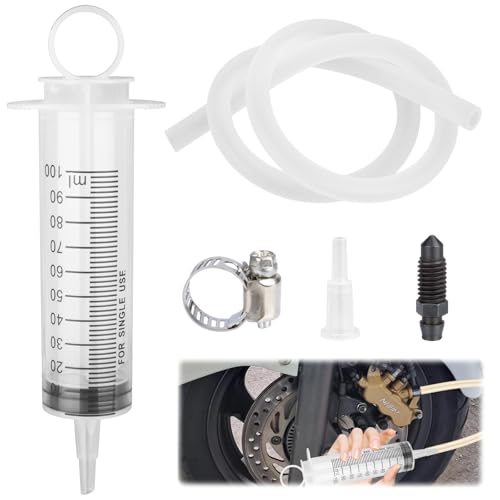
Efficient Air Bleeding & Brake Restore — Transparent tubing gives real-time visibility as you flush air and old brake fluid from the system. Restores full brake sensitivity and response in minutes, no shop visit needed.
Regular Maintenance Tips
- Check Brake Fluid Levels: Periodically inspect the brake fluid reservoir to ensure it’s at the recommended level. Low fluid levels can lead to air entering the system, increasing the risk of overheating.
- Use Recommended Brake Fluid: Always use the type of brake fluid recommended by your vehicle manufacturer. Different types have varying boiling points, so using the right one is crucial for maintaining proper functionality.
- Avoid Aggressive Driving: High-speed driving or frequent heavy braking can generate excessive heat in the braking system, potentially causing the brake fluid to boil. Drive smoothly to minimize stress on the brakes.
- Regular Inspections: Have your brakes and brake fluid checked during routine maintenance visits or whenever you notice any signs of decreased braking performance.
- Follow Manufacturer Guidelines: Check your vehicle manual for specific recommendations on how often you should change your brake fluid. In general, it’s advisable to replace it every 2 years or as per the manufacturer’s instructions.
- Monitor Color and Clarity: If your brake fluid appears dark or cloudy, it may be contaminated and less effective at managing heat buildup. Consider having it flushed and replaced by a professional mechanic.
By adhering to these preventive measures and staying proactive in maintaining your brake system, you can reduce the risk of brake fluid boiling and ensure safe and efficient braking performance when driving under various conditions.
Conclusion
Understanding the impact of brake fluid boiling on your vehicle’s braking system is crucial for maintaining safety on the road. By preventing vapor lock and overheating, you can avoid potential hazards like compromised brake performance and longer stopping distances. Remember to follow maintenance tips such as checking fluid levels, using recommended brake fluid, and staying mindful of aggressive driving habits. Regular inspections and adhering to manufacturer guidelines for fluid changes will help you monitor fluid quality effectively. By taking these precautions, you can minimize the risk of brake fluid boiling and ensure that your brakes perform reliably in any driving situation.
Frequently Asked Questions
What is the importance of brake fluid in a vehicle’s braking system?
Brake fluid plays a crucial role in transmitting force from the brake pedal to the brakes, enabling effective stopping power.
How does brake fluid boiling affect brake performance?
Brake fluid boiling can lead to vapor lock, causing decreased braking efficiency, longer stopping distances, and potential brake failure.
How can drivers prevent brake fluid boiling?
Maintain proper fluid levels, use recommended brake fluid types, avoid aggressive driving habits, conduct regular inspections, follow manufacturer guidelines for fluid changes, and monitor fluid color and clarity.
