

Have you ever struggled with cleaning greasy parts after a long day of work? A parts washer can be a lifesaver, but knowing what fluid to use is key to getting the job done right. The right cleaning solution not only helps you save time but also protects your equipment and the environment.
Key Takeaways
- Types of Parts Washers: There are manual and automatic parts washers; manual requires hands-on cleaning, while automatic uses pumps for consistent results.
- Fluid Choices: Common fluids include solvent-based for heavy-duty cleaning, water-based for eco-friendliness, and bio-based for natural cleaning without harmful chemicals.
- Safety and Compatibility: Always check fluid compatibility with the parts being cleaned and follow safety guidelines outlined in Material Safety Data Sheets (MSDS).
- Environmental Considerations: Opt for fluids that minimize environmental impact, such as water-based and bio-based solutions, and ensure proper disposal of solvent-based fluids.
- Advantages and Disadvantages: Weigh the strengths and weaknesses of each fluid type, such as cleaning power versus health risks and environmental concerns to make an informed choice.
- Regular Maintenance: Regularly change the cleaning fluid to maintain efficiency and avoid buildup that can compromise the cleaning process.
Overview of Parts Washers
Parts washers are specialized cleaning devices designed to remove contaminants from various components. These machines efficiently tackle grease, oil, dirt, and other residues found on mechanical parts. Selecting the right type of parts washer can significantly impact the effectiveness of the cleaning process and the longevity of your tools.
You can find two primary types of parts washers: manual and automatic. Manual washers require you to scrub and agitate the parts by hand, which allows for greater control. Automatic washers use pumps and jets to circulate the cleaning fluid, providing consistent cleaning for larger quantities.
The cleaning fluid used in these machines varies based on your specific needs. You might consider options such as:
- Solvent-Based Fluids: These solvents effectively dissolve grease and oil. They’re fast-acting and great for heavy-duty cleaning. However, be aware of their potential environmental and health impacts.
- Water-Based Solutions: Water-based cleaners are safer for the environment and safer to use. They often contain biodegradable detergents that effectively break down contaminants.
Each fluid type comes with unique benefits and limitations. For instance, solvent-based cleaners might clean tough stains quickly, yet they require proper ventilation and storage. Water-based solutions, while safer, may take a bit longer to achieve the same level of cleanliness.
When using a parts washer, consider these additional tips:
- Follow Manufacturer Guidelines: Always reference the machine’s manual for fluid compatibility.
- Regular Maintenance: Change the cleaning fluid regularly to avoid buildup and maintain efficiency.
- Wear Protection: Use gloves and goggles for safety when handling cleaning fluids.
Choosing the right fluid and parts washer enhances efficiency and protects your health and environment. Evaluate your specific tasks and choose accordingly to ensure optimal performance.
Types of Fluids Used in Parts Washers
Selecting the right fluid for your parts washer directly impacts cleaning efficiency and safety. Here’s a breakdown of the most common types of fluids used.
Recommended Products

Cuts Through Cutting Oil, Motor Oils and Grease

Pro strength, heavy duty parts washing fluid destroys grease and grime for easy clenaing on automotive parts, industrial tools, and more

Reliable Cleaning Formula – B’laster Parts Washer Solvent is designed to perform better than ordinary mineral spirit cleaners. It breaks down tough oil, grease, and grime quickly, helping you clean parts with less effort while saving time in the garage or workshop.
Solvent-Based Fluids
Solvent-based fluids offer powerful cleaning capabilities for heavy grease and oil residues. These fluids typically contain chemicals like mineral spirits or toluene, which effectively dissolve stubborn contaminants.
- Example: Stoddard solvent is widely used in industrial settings for its strong degreasing properties.
- Considerations: Be aware of the flammability and health hazards associated with these solvents. Always follow safety guidelines and use appropriate personal protective equipment (PPE).
Water-Based Fluids
Water-based fluids serve as a safer, environmentally friendly alternative to solvent-based options. These solutions often combine water with detergents and surfactants to lift and suspend contaminants.
- Example: Alkaline cleaners are popular in industrial applications for their effectiveness on metal parts.
- Considerations: While water-based fluids are less hazardous, they may take longer to work on heavy grease. Regular maintenance of washers is essential to prevent bacteria growth in these solutions.
Bio-Based Fluids
Bio-based fluids consist of natural ingredients, making them an eco-friendly choice. These cleaners efficiently break down oil and grease without harmful chemicals.
- Example: Plant-derived solvents can effectively clean engine parts while being safe for the environment.
- Considerations: Although these solutions may have lower toxicity, their cleaning performance might not match that of traditional solvents. Test them out to assess their effectiveness on specific contaminants.
Factors to Consider When Choosing a Fluid
Choosing the right fluid for your parts washer involves several key factors. Each factor influences effectiveness, safety, and environmental impact.
Recommended Products

SUPER CONCENTRATED WASHER FLUID: 16 fl oz washer fluid bottle makes 165 gallons of summer blend washer fluid. Just pump three times per gallon of water, directly into your windshield washer fluid tank.

Genuine BMW part that fits your specific vehicle

Mercedes-Benz windshield washer concentrate
Compatibility with Parts
Consider the materials of the parts you’re cleaning. Different fluids interact with metals, plastics, and rubber in various ways. For instance, solvent-based fluids work well on metals but can damage certain plastics. Water-based fluids often offer greater compatibility, but ensure they fit specific part requirements. Always check manufacturer recommendations for fluid compatibility.
Environmental Impact
Evaluate the environmental consequences of your chosen fluid. Water-based fluids tend to be safer for the environment, lessening chemical runoff. Eco-friendly bio-based fluids are a great option, offering biodegradable properties. If using solvent-based fluids, be aware of proper disposal methods due to potential hazards. Select fluids that align with your environmental standards and regulations.
Safety and Handling
Focus on safety when handling cleaning fluids. Review the Material Safety Data Sheet (MSDS) for each fluid to understand flammability, toxicity, and necessary protective equipment. Use gloves and goggles when necessary, especially with harsh solvents. Proper ventilation in your workspace is crucial to avoid harmful exposure. Maintain safety protocols to ensure a safe working environment.
Advantages and Disadvantages of Common Fluids
Understanding the pros and cons of common cleaning fluids helps you choose the right one for your parts washer. Here’s a look at solvent-based, water-based, and bio-based fluids.
Recommended Products

Quality Material: Parts washer brush crafted from quality rubber hose, plastic handle and PP bristles, soft and not easy to fall off. The parts cleaning brush designed to clean deep crevices and loosen stubborn deposits.
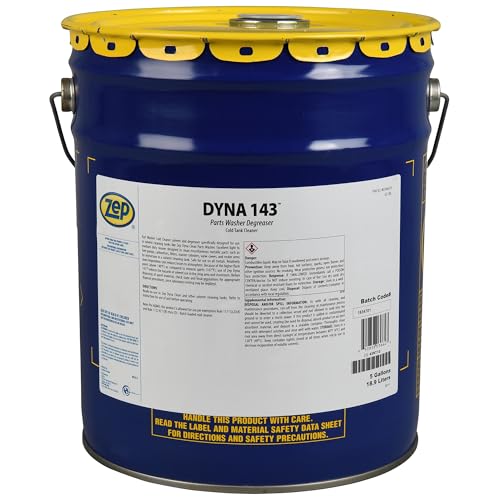
Highly-refined, odorless solvents quickly dissolve and flush away grease, oil and other soil. Low evaporation rate and vapor pressure assure minimal evaporative loss and employee exposure

Quality Material: Parts washer brush crafted from quality rubber hose, plastic handle and PP bristles, soft and not easy to fall off. The parts cleaning brush designed to clean deep crevices and loosen stubborn deposits.
Solvent-Based Fluids
Advantages:
- Strong Cleaning Power: Solvent-based fluids effectively cut through heavy grease and grime, making them ideal for tough jobs.
- Quick Drying: They evaporate rapidly after use, reducing downtime and leaving parts dry and ready for use.
- Versatility: These fluids handle a variety of materials, including metals and plastics.
Disadvantages:
- Health Risks: Many solvent-based fluids contain volatile organic compounds (VOCs), posing inhalation hazards.
- Environmental Concerns: Disposal of solvents can harm the environment and often requires special handling and adherence to regulations.
- Flammability: These fluids can ignite easily, necessitating careful storage and use.
Water-Based Fluids
Advantages:
- Safer to Handle: Water-based fluids typically contain fewer harmful chemicals, making them safer for users.
- Environmental Friendly: These solutions often have lower environmental impact due to biodegradability.
- Less Odor: Water-based fluids generally produce less odor, improving the working atmosphere.
Disadvantages:
- Potential Corrosion: Some water-based solutions can corrode certain metals if used improperly.
- Longer Drying Times: They usually take longer to dry, which can delay the cleaning process.
- Limited Effectiveness: These fluids may struggle with heavy grease and industrial contamination compared to solvent-based options.
Bio-Based Fluids
Advantages:
- Eco-Friendly: Bio-based fluids come from renewable resources, making them less harmful to the environment.
- Low Toxicity: These cleaning solutions are often non-toxic and safer for users.
- Effective Cleaning: Many bio-based fluids perform well against light to moderate contaminants.
Disadvantages:
- Higher Cost: Bio-based options often come with a higher price tag compared to traditional solvents.
- Varied Performance: Cleaning effectiveness can vary significantly across different brands or formulations.
- Limited Availability: Finding bio-based fluids may be challenging in some regions, restricting your options.
Choosing the right fluid for your parts washer involves weighing these factors against your specific needs and conditions.
Conclusion
Choosing the right fluid for your parts washer is essential for effective cleaning and safety. By understanding the differences between solvent-based, water-based, and bio-based options, you can make an informed decision that meets your needs. Consider factors like compatibility, environmental impact, and safety to find the best fit for your specific situation. With the right cleaning fluid, you’ll ensure your parts stay in top shape while also being mindful of health and environmental concerns. Happy cleaning!
Frequently Asked Questions
What are parts washers used for?
Parts washers are essential tools for cleaning greasy and soiled metal parts in various settings, like automotive shops and manufacturing. They effectively remove contaminants using different cleaning fluids, helping maintain equipment and ensure better performance.
What types of parts washers are available?
There are two main types of parts washers: manual and automatic. Manual washers require human operation, while automatic washers perform cleaning tasks without manual intervention. Each type has its benefits depending on the cleaning needs and volume of parts.
What cleaning fluids are recommended for parts washers?
Cleaning fluids vary based on need, with solvent-based fluids for heavy-duty cleaning, water-based solutions for safety, and bio-based fluids as eco-friendly options. It’s crucial to select a fluid that suits the specific cleaning requirements and environmental considerations.
What are the benefits of solvent-based cleaning fluids?
Solvent-based fluids are known for their strong cleaning power, effectively removing tough greases and oils. However, they come with potential health risks and environmental concerns, so safety precautions should be taken when using them.
Are water-based cleaning fluids safe?
Yes, water-based cleaning fluids are generally safer to handle and are more environmentally friendly compared to solvent-based options. However, they may not perform as effectively on heavy-duty grease and grime, making their suitability dependent on cleaning needs.
What are bio-based cleaning fluids?
Bio-based cleaning fluids are eco-friendly options derived from natural sources. They are typically less toxic than traditional solvents but may come at a higher cost and show varied performance levels. They represent a sustainable choice for environmentally-conscious users.
How do I choose the right cleaning fluid?
To choose the right cleaning fluid, consider factors like the type of parts being cleaned, the fluid’s compatibility, its environmental impact, safety, and handling requirements. Balancing these aspects against your specific needs will help in making the right selection.
