

Have you ever wondered what keeps your vehicle’s transfer case running smoothly? If you’ve noticed unusual noises or shifting issues, the fluid inside might be the culprit. Understanding the type of fluid in your transfer case can help you maintain your vehicle’s performance and longevity.
Key Takeaways
- Transfer Case Function: The transfer case is vital for distributing power to both the front and rear axles, enabling better traction and control in 4WD and AWD systems.
- Fluid Importance: Proper fluid in the transfer case provides essential lubrication, cooling, and contamination prevention, all of which are crucial for extending the life of the transfer case.
- Types of Fluids: Gear oil and Automatic Transmission Fluid (ATF) are commonly used in transfer cases, with specific types recommended in vehicle owner’s manuals for optimal performance.
- Signs of Issues: Look out for unusual noises, fluid leaks, warning lights, and difficulty shifting, as they indicate low or contaminated fluid which can lead to more severe problems.
- Maintenance: Regularly checking and replacing transfer case fluid is a straightforward process that ensures optimal functionality and prevents costly repairs.
- DIY Process: Knowing how to check and replace transfer case fluid can help you maintain your vehicle easily, requiring basic tools and adherence to safety procedures.
Understanding Transfer Case Function
The transfer case plays a crucial role in a vehicle’s drivetrain, particularly in four-wheel-drive (4WD) and all-wheel-drive (AWD) systems. It directs power from the transmission to both the front and rear axles. Understanding its function helps you maintain vehicle performance and avoid costly repairs.
Role of the Transfer Case
- Power Distribution: The transfer case distributes power from the engine through the transmission to the front and rear wheels. This allows for better traction and control in various driving conditions.
- Gear Selection: The transfer case often includes options for different gear ratios, enabling you to switch between high and low ranges. This allows you to adapt to terrains like snow, mud, or steep inclines.
- Synchronization: The transfer case synchronizes the speed of the front and rear axles. This ensures that all wheels spin at the appropriate speeds, critical for stability and handling.
- Lubrication: Fluid in the transfer case provides essential lubrication for its internal components. Adequate lubrication minimizes friction and wear, promoting longevity.
- Cooling: Transfer case fluid helps dissipate heat generated during operation. Excessive heat can cause damage, so proper fluid levels play a key role in maintaining safe temperatures.
- Contamination Prevention: Quality fluid helps keep contaminants at bay, protecting against debris and metal shavings that can accumulate and harm the transfer case over time.
- Fluid Type: Knowing the right type of fluid is crucial. Each vehicle may require specific fluids, such as ATF or dedicated transfer case fluids. Refer to your owner’s manual for the recommended specifications.
Understanding the transfer case’s role and the importance of its fluid enables you to ensure your vehicle operates smoothly and efficiently. Regular maintenance checks for fluid levels and quality can prevent more significant issues in the future.
Types of Fluids Used in Transfer Cases
The transfer case uses specific fluids to ensure proper functioning and durability. Recognizing the right fluid type is essential for smooth operation.
Recommended Products
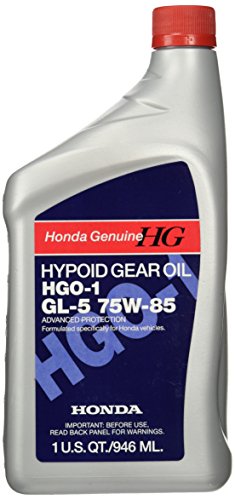
genuine oem factory part

HIGH PERFORMANCE - gear protection and longer synchro life, Satisfies the gear oil viscosity requirements of 70W & 75W

SATISFIES REQUIREMENTS - for gear oil viscosity of SAE 75W80, 75W, 80W and 85W, as well as SAE 30 and SAE 10W30 motor oil
Gear Oil
Gear oil serves as a common choice for many transfer cases. It provides excellent lubrication and withstands high pressures created during operation. Gear oil typically meets the API GL-4 or GL-5 specifications, ensuring adequate protection for the gears. Choosing a high-quality synthetic option improves performance, especially in extreme temperatures or heavy loads. Regularly checking fluid levels and changing gear oil as per manufacturer guidelines enhances longevity and efficiency.
Automatic Transmission Fluid (ATF)
Automatic Transmission Fluid (ATF) is another fluid used in transfer cases, especially in all-wheel-drive and some four-wheel-drive systems. ATF offers great lubrication and thermal stability, effectively transferring power between the engine and drivetrain components. Use a fluid that complies with specifications like Dexron III or Mercon when opting for ATF. Frequent fluid changes help prevent contamination and maintain optimal performance levels, particularly in demanding driving conditions.
Signs of Low or Contaminated Fluid
Low or contaminated fluid in your transfer case can lead to various issues. Recognizing these signs early can help you prevent significant damage and costly repairs.
Recommended Products

Specifically approved for use in GM automatic four-wheel drive vehicles with transfer cases


Full-synthetic transfer case fluid for on-demand and full-time AWD/4x4 systems across European, Asian and US OEMs. Applications include Porsche Cayenne/Macan, BMW xDrive, Audi Quattro, Land Rover/Range Rover, Nissan, Mercedes-Benz 4MATIC (MB 239.41 Torque-on-Demand), Genesis/Kia TF-0870B (G70, G80, G90, Stinger AWD).
Warning Indicators
- Unusual Noises: Listen for grinding, whining, or clunking sounds while driving. These noises often signal insufficient lubrication or contamination.
- Fluid Leaks: Check for puddles or stains underneath your vehicle. Dark spots near the transfer case may indicate leaks or low fluid levels.
- Warning Lights: Pay attention to dashboard warning lights. If the transfer case warning light activates, inspect the fluid right away.
- Difficulty Shifting: Notice any delays or difficulty in shifting between gears. This can suggest fluid contamination or low levels.
- Reduced Power Distribution: Low fluid levels can impair the transfer case’s ability to distribute power effectively, affecting traction and handling.
- Overheating: Contaminated or insufficient fluid can lead to overheating. This increases the risk of damage to internal components.
- Increased Wear and Tear: Dirty or low fluid leads to excessive friction, resulting in accelerated wear on gears and bearings.
- Decreased Fuel Efficiency: An inefficient transfer case can cause your engine to work harder, leading to lower fuel economy.
Monitoring your transfer case fluid and addressing any indicators of low or contaminated fluid ensures optimal performance and longevity.
How to Check and Replace Transfer Case Fluid
Checking and replacing transfer case fluid is a straightforward process that keeps your vehicle running smoothly. Regular maintenance helps prevent issues and extends the life of the transfer case.
Recommended Products

Recommended replacement part for your vehicle’s original factory component

Product Type :Auto Part
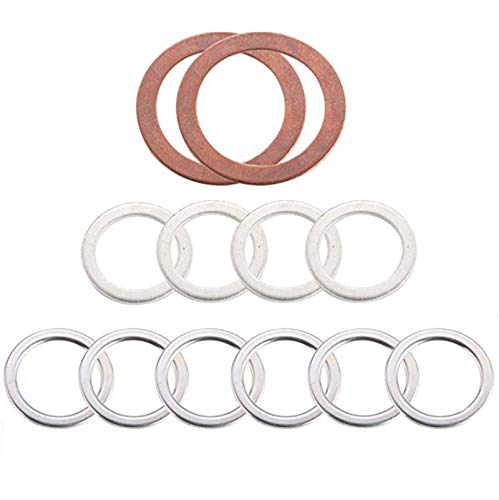
All the gaskets you need for the Toyota diffs and transfer case. There are 2 washers that look the same, those are for the transfer case. Then you have 3 washers that look the same - 2 are for the rear diff and 1 is for the front. The copper one is also for the front diff.
Tools Needed
- Socket wrench set: Use this for removing drain and fill plugs.
- Drain pan: Capture old fluid during the draining process.
- Funnel: Helps pour new fluid into the transfer case without spills.
- Transfer case fluid: Ensure you have the correct type specified in your owner’s manual.
- Rags or shop towels: Keep these handy for cleaning up any spills.
- Park on level ground: Ensure your vehicle is on a flat surface to get accurate readings.
- Identify the transfer case: Locate the transfer case under your vehicle, typically near the transmission.
- Check the fluid level:
- Remove the fill plug, usually located on the side.
- Insert a clean finger or a tool to gauge fluid levels. Fluid should be even with the hole.
- Drain old fluid:
- Place a drain pan under the transfer case.
- Remove the drain plug with a socket wrench and let the fluid drain completely.
- Inspect the fluid: Look for contaminants or metal shavings in the old fluid. This might indicate other issues.
- Replace the drain plug: Reinstall and tighten the drain plug securely to avoid leaks.
- Fill with new fluid:
- Use a funnel to add fresh transfer case fluid through the fill hole.
- Fill until fluid seeps out of the fill hole, indicating it’s full.
- Replace the fill plug: Secure the fill plug tightly to prevent leaks.
- Dispose of old fluid properly: Store used fluid in a sealed container and take it to a recycling center.
By following these steps, you ensure the transfer case fluid stays at optimal levels, safeguarding performance and longevity.
Conclusion
Taking care of your transfer case fluid is crucial for keeping your vehicle running smoothly. By staying on top of fluid levels and quality you’re not just preventing potential issues but also extending the life of your transfer case. Regular checks and maintenance can save you from costly repairs down the road.
So grab your tools and make it a routine to check that fluid. Your vehicle will thank you for it with better performance and reliability. Remember a little effort goes a long way in ensuring your ride stays in top shape. Happy driving!
Frequently Asked Questions
What is the transfer case’s role in a vehicle?
The transfer case is essential for distributing power between the vehicle’s front and rear axles. It helps in gear selection and ensures synchronization of axle speeds, which is crucial for effective traction and stability, especially in four-wheel-drive vehicles.
Why is maintaining proper fluid levels in the transfer case important?
Maintaining proper fluid levels is vital for optimal performance and longevity of the transfer case. Quality fluid provides necessary lubrication, cooling, and contamination protection, which helps prevent wear and tear and ensures reliable operation.
How can I tell if my transfer case fluid is low or contaminated?
Signs of low or contaminated transfer case fluid include unusual noises during operation, fluid leaks, warning lights on the dashboard, and reduced power distribution. Regular checks can help detect these issues early.
How do I check and replace transfer case fluid?
To check and replace transfer case fluid, gather tools like a socket wrench set, a drain pan, a funnel, and the correct type of fluid. Follow these steps: check fluid levels, drain the old fluid, inspect for contaminants, fill with new fluid, and dispose of old fluid responsibly.
What tools do I need to maintain my transfer case fluid?
Essential tools for maintaining transfer case fluid include a socket wrench set to remove bolts, a drain pan for catching old fluid, a funnel for easy filling, the correct type of replacement fluid, and rags for cleanup.
How often should I check or change my transfer case fluid?
It’s generally recommended to check the transfer case fluid every 30,000 to 60,000 miles, or as specified in your vehicle’s owner manual. Regular maintenance can help prevent issues and extend the transfer case’s lifespan.
