

Ever found yourself staring at your parts washer, wondering what fluid to use? You’re not alone. Choosing the right cleaning solution can feel overwhelming, especially with so many options out there. Using the wrong fluid can lead to poor cleaning results or even damage your equipment.
Key Takeaways
- Understanding Fluid Types: Parts washers utilize various cleaning solutions, including solvent-based fluids, aqueous cleaners, and biodegradable options, each serving different cleaning needs.
- Material Compatibility: Always check the compatibility of the cleaning fluid with the materials you are attempting to clean to avoid damage.
- Cleaning Goals: Identify your cleaning objectives; heavy grease and grime require strong solvent-based fluids, while lighter cleaning may be accomplished with aqueous solutions.
- Health and Safety Precautions: Consider the health risks of each fluid type and take necessary protective measures, such as using gloves and ensuring proper ventilation.
- Manufacturer Guidelines: Always refer to your parts washer’s manual for recommended cleaning solutions to maintain equipment reliability and efficiency.
- Regular Maintenance: Monitor and replace cleaning fluids regularly to ensure optimal performance and prevent contamination of the washing solution.
Understanding Parts Washers
Parts washers serve as essential tools for cleaning automotive and mechanical components. You typically find them in automotive shops, manufacturing facilities, and maintenance depots. These machines use various cleaning fluids to remove grease, oil, dirt, and contaminants from parts. Selecting the right fluid significantly impacts cleaning effectiveness and the longevity of both the parts and the washer itself.
Types of Cleaning Fluids
- Solvent-Based Fluids: These fluids dissolve oil and grease quickly. They’re versatile and work well for heavy-duty cleaning tasks. Common solvents include mineral spirits and methylene chloride. Use them cautiously, as they can emit harmful fumes and may be flammable.
- Aqueous Cleaners: Water-based solutions often contain surfactants and emulsifiers. They’re effective for lighter cleaning tasks and are generally safer for the environment. Examples include alkaline cleaners and citrus-based solvents. They’re ideal for everyday cleaning needs and reduce the risk of harmful fumes.
- Biodegradable Cleaners: Choose these if you’re concerned about environmental impacts. They break down naturally and minimize harm to ecosystems. Look for formulas that specify biodegradability to ensure you’re making a responsible choice.
Factors to Consider
- Material Compatibility: Always ensure the fluid is suitable for the materials you’re cleaning. Some solvents might damage softer metals or plastics.
- Cleaning Goals: Define what you want to achieve. For heavy grime, solvent-based fluids work best, while light oils may require aqueous cleaners.
- Health and Safety: Assess the health risks associated with each fluid. Take necessary precautions, such as wearing gloves and using appropriate ventilation when handling solvents.
- Choose the Right Fluid: Study options and select based on the tasks you encounter most frequently.
- Follow Manufacturer Guidelines: Always refer to the parts washer’s manual for recommended cleaning solutions.
- Maintain Cleanliness: Regularly check and replace the cleaning fluid as it becomes contaminated with dirt and grime.
- Monitor Fluid Levels: Ensure adequate fluid in the washer to facilitate optimal cleaning without drying out.
- Use Proper Techniques: Soak parts adequately. For best results, submerge components fully to allow the fluid to act effectively.
By understanding parts washers and the cleaning fluids available, you can maintain equipment properly and achieve superior cleaning results.
Types of Fluid Options
Selecting the right fluid is essential for effective cleaning in a parts washer. Various fluid options cater to different cleaning needs and applications.
Recommended Products

Cuts Through Cutting Oil, Motor Oils and Grease

Pro strength, heavy duty parts washing fluid destroys grease and grime for easy clenaing on automotive parts, industrial tools, and more

Reliable Cleaning Formula – B’laster Parts Washer Solvent is designed to perform better than ordinary mineral spirit cleaners. It breaks down tough oil, grease, and grime quickly, helping you clean parts with less effort while saving time in the garage or workshop.
Solvent-Based Cleaners
Solvent-based cleaners excel in removing greases and oils. These cleaners often contain petroleum-based solvents, which dissolve contaminants effectively. Examples include mineral spirits and acetone. Use these cleaners when dealing with heavy, stubborn residues. However, take precautions due to flammability and health concerns. Always read safety data sheets and use appropriate personal protective equipment.
Water-Based Solutions
Water-based solutions provide a safer alternative for many applications. These cleaners generally contain surfactants and detergents for effective cleaning without harsh solvents. Examples include alkaline cleaners and citrus-based solutions. These options are ideal for cleaning metals, plastics, and rubber without damaging components. Ensure you’re using compatible materials to avoid potential reactions.
Bio-Based Fluids
Bio-based fluids focus on environmental sustainability. Usually derived from plant oils or natural ingredients, these cleaners break down contaminants while being less harmful to the environment. Examples include soy-based degreasers and citrus extracts. These fluids work for a variety of materials, offering a safer choice for operators and the ecosystem. When selecting bio-based options, verify their effectiveness for your specific cleaning tasks.
Factors to Consider When Choosing Fluid
Choosing the right cleaning fluid for your parts washer involves assessing several key factors. Understanding these elements ensures effective cleaning and maintains your equipment’s longevity.
Recommended Products
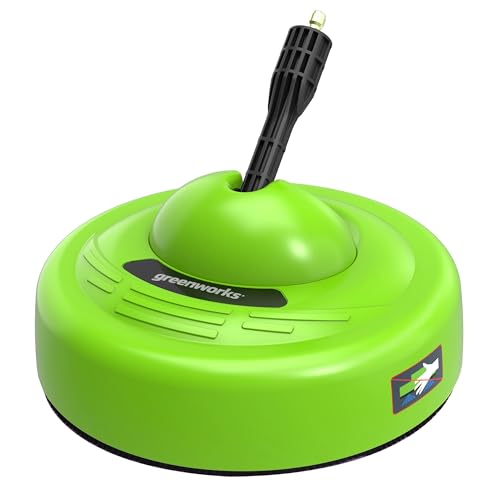
Quick-Connect surface cleaner helps make big cleaning jobs easier

-The 20-Gallon Benchtop Parts Washer features a removable shelf with work basket, a sealed 0.7A pump motor, and a flexible gooseneck spigot. -The pump provides a flow of approximately 50 gallons per hour. -A hinged lid with a fusible link automatically shuts the lid in the event of a flash fire. -Compact steel cabinet parts washer great for small parts cleaning jobs, including wheel bearings, gears, and carburetors. -Durable Powder Coated Finish that can resist rust and corrosion.

Professional concentrate cleans decks, siding, driveways, and patios - perfect for homeowners preparing for BBQs, real estate agents staging homes, or contractors finishing jobs.
Material Compatibility
Material compatibility plays a crucial role in selecting the right fluid. Consider the materials your parts are made from. For example, certain solvents can damage plastics, while some water-based solutions may corrode metals. Always check manufacturer guidelines for recommendations. Testing a small area or examining reaction tests can prevent unintended damage.
Cleaning Efficiency
Cleaning efficiency varies among different fluid types. Solvent-based cleaners often excel at removing tough grease and oil, while water-based solutions with surfactants offer gentle yet effective cleaning. Gauge the level of contamination on your parts. For heavy build-up, choose a stronger solvent. For lighter grime, a biodegradable surfactant could work effectively. Evaluating your specific cleaning needs helps in selecting the most efficient fluid.
Environmental Impact
Environmental impact is increasingly important when choosing cleaning fluids. Opt for bio-based or biodegradable products to minimize harm to the environment. Traditional solvents may be effective but often pose flammability risks and harmful emissions. Verify if the product meets local regulations and guidelines to ensure safe disposal. Prioritizing eco-friendly options not only contributes to sustainability but also enhances safety in your workspace.
Recommended Fluids for Different Applications
Selecting the right cleaning fluid for a parts washer varies based on specific applications. Here’s a breakdown of recommended fluids for automotive and industrial uses.
Recommended Products
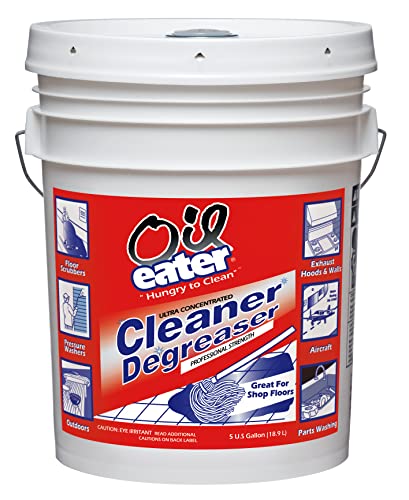
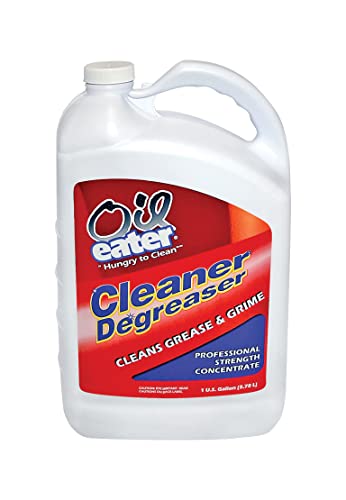
Powerful Cleaning: Dissolves Grease, Oil And Dirt From Any Washable Surface
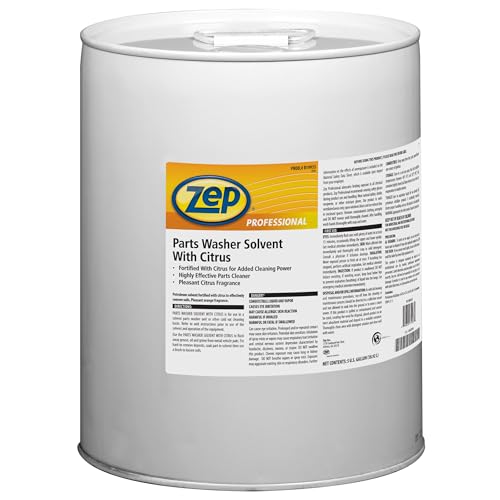
Effective Soil Removal: Removes tough buildup, oil, and grease from metal surfaces, ensuring optimal performance of machinery and equipment.
Automotive Use
For automotive applications, effective fluids are crucial. Consider using:
- Solvent-Based Cleaners: Fluids like mineral spirits and acetone work well for removing grease and oil from engine parts and components.
- Water-Based Solutions: These often contain surfactants that help break down contaminants while being safer for the environment. Look for formulations designed to dissolve dirt and grease.
- Bio-Based Cleaners: Choose biodegradable fluids that reduce environmental impact. These cleaners are effective for routine maintenance and safe for various surfaces.
Industrial Cleaning
In industrial settings, cleaning requirements can be more demanding. Recommended fluids include:
- Heavy-Duty Solvent Cleaners: Use these for extreme contamination situations, as they target tough residues effectively.
- Aqueous Cleaning Solutions: Water-based options seek to minimize chemical exposure and environmental risks. These fluids are often used in automated cleaning systems.
- Emulsion Cleaners: These are beneficial for machining and fabrication processes, as they provide both cleaning and lubrication during operations.
Choose your parts washer fluid wisely based on your specific application to ensure optimal cleaning performance and equipment protection.
Conclusion
Choosing the right fluid for your parts washer can make all the difference in cleaning efficiency and equipment care. By considering factors like material compatibility and environmental impact you can find a solution that works best for your specific needs. Whether you opt for solvent-based cleaners or eco-friendly options it’s important to ensure your choice aligns with the tasks at hand. With the right cleaning fluid you’ll not only achieve better results but also extend the life of your parts washer. Happy cleaning!
Frequently Asked Questions
What are the main types of cleaning fluids for parts washers?
Parts washers typically use three main types of cleaning fluids: solvent-based cleaners, water-based solutions, and bio-based fluids. Solvent-based cleaners like mineral spirits and acetone are effective for grease and oil removal. Water-based solutions contain surfactants for safer cleaning options, while bio-based fluids focus on environmental sustainability.
Why is it important to select the right cleaning solution for parts washers?
Choosing the right cleaning solution is crucial to ensure effective cleaning, protect the equipment, and prolong its lifespan. The wrong fluid can damage parts or fail to remove contaminants, leading to poor performance and costly repairs.
How do I choose a cleaning fluid for my application?
When selecting a cleaning fluid, consider factors like material compatibility, cleaning efficiency, and environmental impact. Evaluate the specific cleaning needs of your application, whether it’s automotive or industrial, to find the best-suited cleaner.
Can you recommend cleaning fluids for automotive use?
For automotive use, solvent-based cleaners are effective for grease removal. Water-based cleaning solutions and bio-based cleaners are also recommended. Each option depends on the level of contamination and the manufacturer’s guidelines for material compatibility.
What cleaning solutions are suggested for industrial applications?
In industrial settings, heavy-duty solvent cleaners, aqueous cleaning solutions, and emulsion cleaners are recommended. These options tackle various cleaning needs efficiently while considering factors like safety and environmental impact. Always match the cleaner to the specific task for optimal performance.
