

Have you ever wondered what fluid your Duramax transfer case needs? If you’re a truck owner, you know the importance of keeping everything running smoothly. The right fluid not only ensures optimal performance but also extends the life of your vehicle.
Key Takeaways
- Correct Fluid Type: Always use Dexron VI ATF for most Duramax transfer cases to ensure optimal performance and longevity.
- Capacity Requirements: Fluid capacities vary by model; for 2011-2016 models, approximately 2.5 quarts of Dexron VI is needed, while 2001-2010 models may require around 3 quarts of ATF or gear oil.
- Regular Maintenance: Check and change transfer case fluid every 30,000 to 50,000 miles to maintain efficiency and prevent wear and tear.
- Identify Your Transfer Case: Knowing your specific model’s transfer case (such as NVG246 or NVG263) helps ensure proper fluid application and care.
- Monitoring Fluid Condition: Inspect drained fluid for metal shavings or burnt smells, which can indicate underlying problems.
- Safe Disposal: Dispose of old fluid responsibly by taking it to a recycling center to protect the environment.
Overview of Duramax Transfer Case
A Duramax transfer case plays a crucial role in the vehicle’s drivetrain. It directs power to the front and rear axles, significantly impacting your truck’s performance and handling.
Importance of Fluid Type
Using the right fluid type in your transfer case helps ensure optimal performance. Incorrect fluid can lead to inadequate lubrication, causing wear and tear. You’ll notice smoother shifting and improved efficiency when you use the recommended fluid. For Duramax transfer cases, General Motors recommends Dexron VI ATF for its excellent protection and performance characteristics.
Common Applications
Duramax transfer cases often find application in diesel-powered Chevrolet and GMC trucks. Examples include the Chevrolet Silverado 2500HD and GMC Sierra 2500HD. These applications typically utilize transfer cases like the NVG246 and NVG263. Ensuring you apply the right fluid in these specific models helps maintain their durability and enhances off-road capabilities. Regularly checking the fluid level and changing it every 30,000 to 50,000 miles keeps the transfer case functioning optimally.
Types of Fluids for Duramax Transfer Case
Using the right fluid type in your Duramax transfer case is essential for maintaining optimal performance. Here are the main fluid types suited for your vehicle’s transfer case.
Recommended Products

Backward compatible with previous Dexron automatic transmission fluids and can be used as a much-improved replacement for older vehicles/transmissions originally using previous Dexron fluids

Backward compatible with previous DEXRON automatic transmission fluids and can be used as a much-improved replacement for older vehicles/transmissions originally using previous DEXRON fluids

Formulated with full-synthetic base stocks and advanced additive technology to meet the challenging demands of automatic transmissions
Automatic Transmission Fluid (ATF)
ATF, specifically Dexron VI, is the recommended fluid for most Duramax transfer cases. This fluid ensures proper lubrication and efficient power transfer between the engine and axles. Choosing a high-quality ATF promotes smoother shifting and enhances responsiveness. Regularly check and replace the ATF per maintenance schedules, typically every 30,000 to 50,000 miles, to ensure the best performance.
Gear Oil
Some Duramax transfer cases, especially heavy-duty models, may require gear oil instead of ATF. Gear oil provides superior protection under heavy loads and high temperatures. Look for gear oils with the appropriate viscosity rating, such as 75W-90 or 80W-90, to meet your transfer case’s specifications. Like ATF, it’s essential to check levels and top off or replace the gear oil as needed, ensuring durability during demanding conditions.
Recommended Fluids
Using the right fluids for your Duramax transfer case is crucial for maintaining performance and longevity. The two primary fluids recommended for these transfer cases are Automatic Transmission Fluid (ATF) and gear oil.
Recommended Products
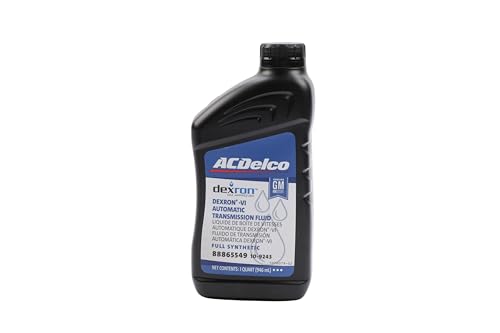
Backward compatible with previous Dexron automatic transmission fluids and can be used as a much-improved replacement for older vehicles/transmissions originally using previous Dexron fluids

Formulated with full-synthetic base stocks and advanced additive technology to meet the challenging demands of automatic transmissions

Formulated with premium base stocks and advanced additive technology to meet the challenging demands of automatic transmissions
Specifications and Manufacturers
For optimal results, choose fluids that meet specific OEM specifications. Look for:
- Dexron VI ATF: A widely recommended fluid for most Duramax transfer cases, it promotes smooth shifting and efficient power transfer.
- Gear Oil: When towing heavy loads or operating in extreme conditions, use gear oil that meets API GL-4 or GL-5 specifications. Brands like Mobil 1 and Valvoline offer suitable options.
Checking the product labels ensures compliance with these standards.
Capacity Requirements
Capacity varies depending on the model year and specific transfer case. Typical capacities include:
- Duramax Transfer Case (2011-2016): Approx. 2.5 quarts of Dexron VI.
- Duramax Transfer Case (2001-2010): Approx. 3 quarts of Dexron VI or gear oil depending on usage.
Always consult your owner’s manual for accurate capacity requirements. Regular checks every 30,000 to 50,000 miles help maintain fluid levels and ensure maximum efficiency.
How to Check and Change Transfer Case Fluid
Checking and changing the transfer case fluid ensures optimal functionality and longevity of your Duramax vehicle. Follow these guidelines for efficient maintenance.
Tools Needed
- Socket Wrench Set: Use this to remove the drain and fill plugs.
- Fluid Pump: A pump aids in adding new fluid without spills.
- Oil Catch Pan: Catch the old fluid during draining to prevent mess.
- Funnel: A funnel helps in pouring fluid into tight spaces.
- Rags: Use rags to clean up any spills during the process.
- Safety Gloves: Wear gloves to protect your hands from fluid.
- Locate the Transfer Case: Identify its position under your vehicle. Refer to your manual if uncertain.
- Raise the Vehicle: Use jack stands to lift the vehicle securely. Ensure you’re working on a level surface.
- Remove the Fill Plug: Use a socket wrench to unscrew the fill plug. This step prevents a vacuum when draining.
- Drain the Old Fluid: Place the oil catch pan under the drain plug. Remove the drain plug and let the old fluid completely drain.
- Inspect the Old Fluid: Check the drained fluid for metal shavings or burnt odors. This indicates potential issues.
- Reinstall the Drain Plug: Once drained, replace and tighten the drain plug.
- Add New Fluid: Attach the fluid pump to the fill plug. Fill the transfer case with the recommended ATF or gear oil until it starts to slightly overflow.
- Replace the Fill Plug: Screw back the fill plug securely to prevent leaks.
- Check for Leaks: Start the vehicle and let it run briefly. Check under the vehicle for any fluid leakage.
- Dispose of Old Fluid: Take the used fluid to a recycling center for safe disposal.
Regularly perform this maintenance every 30,000 to 50,000 miles to enhance your Duramax’s performance.
Conclusion
Taking care of your Duramax transfer case is key to keeping your vehicle running smoothly. By using the right fluids and sticking to a regular maintenance schedule you can avoid costly repairs down the line. Remember that checking your fluid levels and changing them as needed is a simple yet effective way to extend the life of your transfer case. So grab those tools and make it a part of your routine. Your Duramax will thank you for it!
Frequently Asked Questions
What fluids are recommended for Duramax transfer cases?
For Duramax transfer cases, it’s crucial to use Dexron VI ATF and gear oil that meets API GL-4 or GL-5 standards. Using the correct fluids helps in achieving smooth shifting, efficient power transfer, and protects the transfer case under heavy loads.
How often should I check the transfer case fluid?
It’s recommended to check the transfer case fluid every 30,000 to 50,000 miles. Regular checks can help prevent potential issues and ensure the vehicle maintains optimal performance.
How do I change the transfer case fluid?
To change the transfer case fluid, gather necessary tools like a wrench, fluid pump, and a catch container. Drain the old fluid, refill with fresh Dexron VI ATF or suitable gear oil, and check the fluid level as per manufacturer guidelines for optimal performance.
What is the capacity of Duramax transfer cases?
The fluid capacity for Duramax transfer cases can vary by model. Always refer to the owner’s manual or manufacturer specifications to determine the correct capacity for your specific truck’s transfer case.
Why is regular maintenance of transfer case fluid important?
Regular maintenance and fluid changes are vital for the longevity and performance of Duramax vehicles. Fresh fluid ensures better shifting, efficient power transfer, and optimal protection against wear and tear in the transfer case.
