

Have you ever been driving and noticed that pesky warning light for low washer fluid? It might seem minor, but ignoring it can lead to bigger problems. You rely on your windshield wipers to keep your view clear, especially in bad weather. Without enough washer fluid, your wipers can’t do their job effectively.
In this article, you’ll learn what a low washer fluid warning means for your car and why it’s important to pay attention to it. We’ll cover the potential consequences of neglecting this simple maintenance task and offer tips on how to keep your washer fluid topped off. Understanding this small but crucial aspect of vehicle care can help you stay safe on the road.
Key Takeaways
- Importance of Washer Fluid: Keeping washer fluid topped off is essential for maintaining a clear windshield and ensuring safe driving, particularly in adverse weather conditions.
- Signs of Low Washer Fluid: Drivers should watch for dashboard warning lights and decreased visibility, which indicate that it’s time to refill washer fluid.
- Types of Washer Fluid: Different types of washer fluid serve various purposes, such as standard cleaning, insect residue removal, anti-freeze protection, and rain repellent.
- Impact on Safety: Low washer fluid can severely reduce visibility and increase the risk of accidents, making regular checks vital for safe driving.
- Potential Damage Risks: Operating wipers without sufficient washer fluid can cause scratches and damage to the windshield, leading to costly repairs.
- Easy Maintenance: Checking and replenishing washer fluid levels is a straightforward process that every car owner can perform to ensure optimal vehicle function.
Understanding Washer Fluid
Washer fluid plays a vital role in maintaining clear visibility while driving. Low washer fluid levels can hinder your ability to clean the windshield, especially in adverse weather.
Importance of Washer Fluid
Washer fluid keeps your windshield clean and clear. Clean windshields enhance your visibility, reducing the risk of accidents. In dusty or rainy conditions, washer fluid removes dirt, grime, and obscured vision from road debris. Regularly checking and refilling your washer fluid is essential for safe driving.
Common Types of Washer Fluid
Several types of washer fluid exist, each suited for different conditions:
- Standard Washer Fluid: This fluid contains detergents that clean effectively in mild weather. It works well for everyday conditions.
- Bug Remover Fluid: This specialized fluid contains surfactants designed to break down the proteins in insect residue, making it easier to wash off.
- Anti-Freeze Washer Fluid: Ideal for cold weather, this fluid prevents freezing in low temperatures. It helps maintain liquid flow, even in winter.
- Rain Repellent Fluid: This fluid contains additives that help repel water, enhancing visibility during rain. It forms a layer on the windshield that causes water to bead and roll off.
By understanding these types, you can select the right washer fluid for your driving environment. Always check manufacturer recommendations for compatibility with your vehicle.
Signs of Low Washer Fluid
Recognizing signs of low washer fluid helps you maintain visibility while driving. Pay attention to these indicators for timely action.
Recommended Products

Removes and repels the toughest road grime

EFFORTLESS CLEANING: Enjoy hassle-free maintenance with ABRO's pre-mixed windshield wiper fluid formula, saving you time and effort in preparing the solution for streak-free clarity.

SUPER CONCENTRATED WASHER FLUID: 16 fl oz washer fluid bottle makes 165 gallons of summer blend washer fluid. Just pump three times per gallon of water, directly into your windshield washer fluid tank.
Dashboard Warning Light
Most vehicles feature a dashboard warning light specifically for low washer fluid. This light usually resembles a windshield with a water symbol. If the light illuminates, it’s time to check the washer fluid level. If it’s not resolved promptly, you risk operating your vehicle with inadequate visibility.
Decreased Visibility
Decreased visibility often signals low washer fluid. If your windshield appears streaky or dirty even after using the wipers, low washer fluid may be the cause. Dust, dirt, and debris can accumulate and make driving hazardous. Refilling the washer fluid restores clear sightlines, enhancing your safety on the road.
Implications of Low Washer Fluid
Low washer fluid can significantly affect your driving experience and safety on the road. Understanding its implications helps you take timely action.
Recommended Products
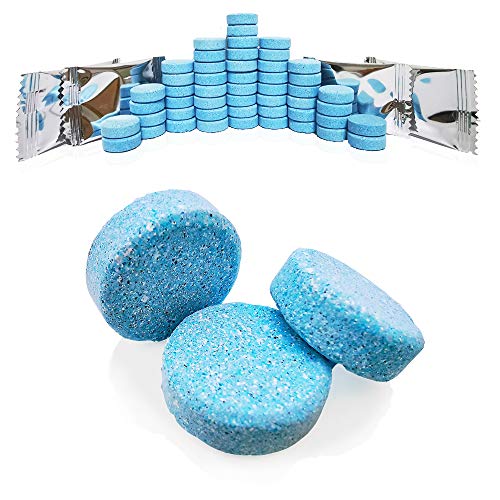
【Portable & Cost-Effective】Our windshield washer tablets are compact (16mm*2mm) and portable, making them easy to store and carry. Each tablet equals 1 gallon of washing liquid, offering significant savings compared to traditional fluids. Perfect for car windshield wiper fluid needs, these tablets are ideal for drivers looking for a convenient and economical solution.

Compatible with Chevy: For Chevry Camaro 2010-2021, Equinox 2010-2020, Cruze Volt 2011-2016, Sonic 2012-2020, Malibu 2013-2021, Corvette 2014-2021, Impala 2014-2020, Silverado 1500 14-16 18-20, Colorado 2015-2021, Silverado 2500HD 15-16 18-21, Silverado 3500HD 15-16 18-21, Suburban Tahoe 15-20, Trax 2015-2021, Spark 16-21 washer fluid reservoir cap
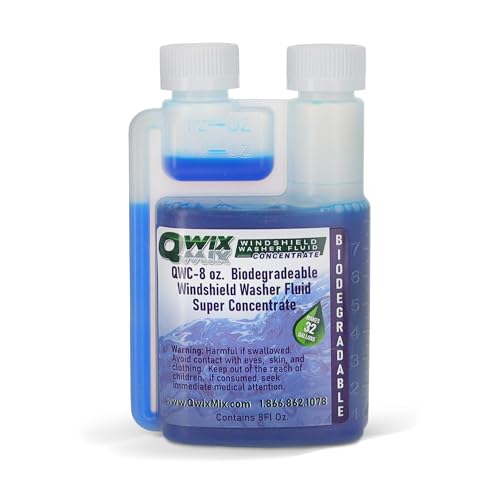
[Super Concentrated Savings] Qwix Mix windshield washer fluid concentrate makes up to 55 gallons of premium windshield washer fluid from one 8 oz bottle, saving money versus pre-mixed windshield washer fluids
Impact on Safety
Low washer fluid compromises your ability to see clearly while driving. If dirt, grime, or road debris accumulate on your windshield, wipers alone can’t adequately remove it without fluid. Reduced visibility increases the risk of accidents, especially during inclement weather conditions. Regularly check fluid levels, especially before long trips or when weather forecasts predict rain or snow.
Potential Damage to Windshield Components
Inadequate washer fluid can also harm your windshield components. When wipers operate without sufficient fluid, they can scratch or damage the glass over time. This wear can lead to costly repairs or replacements. Maintaining proper washer fluid levels protects not only your visibility but also the longevity of your windshield and wiper system.
How to Check Washer Fluid Levels
You can keep your windshield clear by checking washer fluid levels regularly. Monitoring these levels helps prevent adverse conditions while driving.
Recommended Products

Fitment Work well with most 12V cars with enough size to fit this washer pump. Universal car KEMIMOTO windshield washer is designed to fit most Car UTV ATVs boats and so on

Perfect fit for OEM standards: Designed as a direct replacement with OEM part numbers 12767700, 13227300, 19172571, this windshield wiper fluid cap is compatible with a range of Chevrolet, Cadillac, and GMC models from 2010 to 2021.

Fitment: Replacement for Cadillac CTS 2008-2021, XTS 2013-2021, SRX 2010-2021, ATS 2013-2021, ELR 2014-2021, Escalade 2015-2021, CT6 2016-2021, XT5 2017-2021, XT4 2019-2021, CT4 CT5 2020-2021, SAAB 9-5 1999-211 SAAB 9-3 1999-2011 SAAB 9-4X 2011
Locating the Washer Fluid Reservoir
- Find the hood release: Look for the lever inside your car, usually located near the driver’s seat. Pull it to release the hood.
- Open the hood: Lift the hood and secure it with the prop rod if applicable.
- Identify the reservoir: Look for a translucent plastic container, often labeled with a windshield symbol. This container is typically near the back of the engine bay.
- Check fluid level: Inspect the reservoir. A “low” mark indicates fluid needs replenishing. The tank is visibly marked.
- Select washer fluid: Choose a washer fluid type that suits your climate. Bug remover or antifreeze variants often work well.
- Add fluid: Remove the reservoir cap and pour the fluid in slowly. Avoid overfilling. Replace the cap securely.
- Test functionality: Activate the windshield wipers to ensure fluid sprays properly. Adjust if necessary.
Conclusion
Keeping an eye on your washer fluid is a simple yet vital part of car maintenance. When you notice that low washer fluid warning light, don’t ignore it. Taking a moment to refill can make a big difference in your visibility and safety on the road.
By choosing the right type of washer fluid for your driving conditions, you’ll ensure your wipers work effectively whenever you need them. Regular checks and refills can save you from potential hazards and keep your windshield in great shape. So next time you hop in your car, take a quick look at that washer fluid level—it’s a small task that leads to safer travels.
Frequently Asked Questions
Why is it important to monitor washer fluid levels in my car?
Maintaining proper washer fluid levels is essential for clear visibility. Low washer fluid can impact your ability to effectively use windshield wipers, especially during adverse weather conditions, reducing overall road safety.
What types of washer fluids are available?
There are various types of washer fluids, including bug remover, anti-freeze, and rain repellent. Each is designed for specific conditions, enhancing performance during different weather scenarios.
How can I tell if my washer fluid is low?
Signs of low washer fluid include dashboard warnings and decreased visibility when using the wipers. It’s important to check levels regularly to ensure optimal functionality.
How do I check my washer fluid levels?
To check washer fluid levels, locate the reservoir under the hood, then assess the fluid level through the translucent reservoir. If it’s low, consider refilling before driving.
What should I do if my washer fluid is low?
If your washer fluid is low, add the appropriate type of fluid to the reservoir until it reaches the recommended level. Testing the wipers afterwards ensures proper functionality.
How often should I check my washer fluid?
It’s advisable to check your washer fluid levels regularly, ideally every month or before long trips. This helps avoid unexpected visibility issues on the road.
Can using the wrong washer fluid damage my windshield?
Yes, using the wrong washer fluid can harm your windshield and wipers. It’s best to select a fluid specifically designed for your driving conditions to maintain windshield longevity and wiper effectiveness.
