

Have you ever wondered what color your transfer case fluid should be? It’s an important question that can save you from costly repairs down the road. When it comes to vehicle maintenance, knowing the right color of fluids can help you spot potential issues before they escalate.
Imagine checking your vehicle and noticing a fluid that doesn’t look quite right. That’s where understanding transfer case fluid color comes in handy. This article will guide you through the different colors of transfer case fluid, what they mean, and how to maintain your vehicle’s health. By the end, you’ll feel more confident in keeping your ride running smoothly.
Key Takeaways
- Color Indicators: Transfer case fluid typically ranges from clear or light amber (fresh) to dark brown (aging) and black (contaminated). Regularly checking fluid color is essential for maintenance.
- Importance of Maintenance: Inspecting your transfer case fluid at least once a year or every 30,000 miles helps detect issues early and prevents costly repairs.
- Signs of Contamination: Look for visual cues such as darkening, cloudiness, or metallic particles that indicate potential problems requiring immediate attention.
- Checking Procedure: Use a dipstick to check fluid levels and condition, ensuring the vehicle is on a level surface. Fresh fluid should be clear or light amber.
- Prompt Action Required: If fluid appears milky, cloudy, or indicates contamination, take swift action to replace it to avoid serious drivetrain damage.
Understanding Transfer Case Fluid
Transfer case fluid plays a vital role in the performance and longevity of your vehicle’s drivetrain. Recognizing its color can help you identify issues before they escalate.
Purpose and Function
Transfer case fluid serves two primary functions: lubrication and cooling. This fluid lubricates the gears within the transfer case to reduce friction and wear, promoting smooth operation. It also helps dissipate heat during operation, preventing overheating that can lead to component failure. Without proper fluid, your vehicle may experience rough shifting or even damage over time.
Importance of Regular Maintenance
Regular maintenance of your transfer case fluid is essential for optimal vehicle performance. Inspect your transfer case fluid color at least once a year or every 30,000 miles. Clear or light-colored fluid indicates good condition, whereas dark or contaminated fluid suggests it needs changing. Check for particles or a burnt smell, which can signify internal issues. Flushing and replacing the fluid at recommended intervals can prevent costly repairs and ensure a smooth driving experience.
What Color Should Transfer Case Fluid Be?
Transfer case fluid color plays a vital role in vehicle maintenance. Knowing what color it should be helps ensure your drivetrain operates smoothly.
Recommended Products

Specifically approved for use in GM automatic four-wheel drive vehicles with transfer cases

Full-synthetic transfer case fluid for on-demand and full-time AWD/4x4 systems across European, Asian and US OEMs. Applications include Porsche Cayenne/Macan, BMW xDrive, Audi Quattro, Land Rover/Range Rover, Nissan, Mercedes-Benz 4MATIC (MB 239.41 Torque-on-Demand), Genesis/Kia TF-0870B (G70, G80, G90, Stinger AWD).

Typical Color Indicators
Transfer case fluid can range from clear to dark shades. Typically, fresh fluid appears clear or light amber. As it ages and encounters contaminants, the color darkens. Checking this color regularly offers a quick way to assess your fluid condition.
- Clear or Light Amber: Indicates fresh, clean fluid suitable for use.
- Dark Brown: Suggests the fluid is old and deteriorating, necessitating a check.
- Black: Often a sign of contamination; immediate action is needed to prevent damage.
- Milky or Cloudy: Indicates moisture intrusion, requiring prompt replacement to avoid serious issues.
To maintain your vehicle’s health, inspect the transfer case fluid regularly. Changes in color provide an excellent first step in identifying potential issues.
Signs of Fluid Contamination
Detecting fluid contamination early is vital for your vehicle’s performance. Keep an eye out for visual cues and any performance issues that might arise.
Recommended Products

Accurate Detection in Seconds: Identify water contamination quickly, ensuring diesel quality and protecting your engine.

OTC's 5609 Cylinder Leakage Tester Kit quickly diagnoses a range of internal engine problems like bad rings, worn valves, and leaking head gaskets and comes complete with adapters for most applications
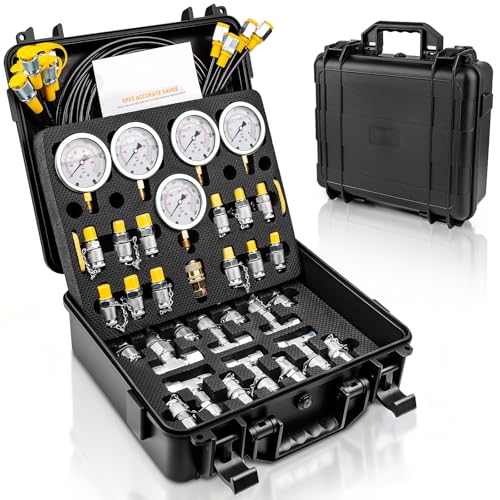
WIDE COMPATIBILITY: Works with most excavator brands and hydraulic machinery. Suitable for construction, mining, industrial, marine, and petroleum applications
Visual Indicators
Observe the color and clarity of your transfer case fluid. Clear or light amber fluid signifies good condition. Dark brown fluid indicates aging, while black fluid suggests contamination. Milky or cloudy fluid signals moisture intrusion, which needs your immediate attention. Additionally, if you notice any metallic particles floating in the fluid, this often means internal wear is occurring. Regular checks can prevent bigger problems down the road.
Performance Issues
Pay attention to your vehicle’s performance. If you detect unusual noises when shifting gears, it could indicate contaminated fluid. Slipping during gear changes or difficulty engaging the transfer case also points to potential fluid issues. Lastly, if you experience overheating or extra vibrations, check the fluid condition right away. These symptoms can result from degraded transfer case fluid and may require prompt action to prevent damage.
How to Check Transfer Case Fluid
To ensure your vehicle’s transfer case operates smoothly, checking the fluid regularly is essential. Here’s how to do it effectively.
Recommended Products

Meets the challenging demands of different all-wheel and four-wheel drive vehicles with multi-powered axles

Long lasting endurance

Tools Required
- Fluid Level Dipstick: Used to check fluid level and condition.
- Rags or Towels: Helpful for cleaning up any spills.
- Funnel: Makes adding fluid easier if needed.
- Transfer Case Fluid: Use the type specified in your owner’s manual.
- Safety Gloves: Protects your hands when handling fluid.
- Locate the Transfer Case: Find the transfer case under your vehicle. It’s typically connected to the transmission.
- Prepare Your Vehicle: Park on a level surface and engage the parking brake for safety.
- Check the Fluid Level: If equipped with a dipstick, pull it out and wipe it clean. Reinsert it, then remove again to check the fluid level.
- Assess Fluid Condition: Observe the color and texture of the fluid on the dipstick. Fresh fluid appears clear or light amber, while dark brown suggests aging. Milky or cloudy indicates moisture intrusion.
- Clean Up: Use a rag or towel to catch any spills if you need to add fluid.
- Add Fluid if Necessary: If the fluid is low, use a funnel to add the specified transfer case fluid until it reaches the proper level.
- Dispose of Old Fluid Properly: If you change the fluid, take the old fluid to a recycling center.
Regularly checking the transfer case fluid prevents potential issues and extends the life of your vehicle’s drivetrain system.
Conclusion
Keeping an eye on your transfer case fluid color is essential for your vehicle’s health. Regular checks can help you catch issues early and avoid expensive repairs down the road. Remember that fresh fluid should be clear or light amber while darker shades signal it’s time for a change.
By staying proactive and monitoring the condition of your fluid you’ll not only extend the life of your drivetrain but also enjoy a smoother driving experience. So grab those tools and make checking your transfer case fluid a routine part of your vehicle maintenance. Your car will thank you for it.
Frequently Asked Questions
What is transfer case fluid, and why is it important?
Transfer case fluid is a lubricant that ensures the smooth operation of a vehicle’s transfer case. It helps in transferring power from the transmission to the front and rear axles. Monitoring this fluid is crucial for maintaining optimal performance and preventing costly repairs.
How can I tell if my transfer case fluid is bad?
You can assess transfer case fluid by its color and condition. Fresh fluid is typically clear or light amber, while dark brown fluid indicates aging. Black fluid suggests contamination, and the presence of metallic particles may signal severe issues.
How do I check my transfer case fluid?
To check transfer case fluid, park on a level surface. Use the necessary tools, such as a dipstick or a fluid transfer pump. Remove the dipstick to assess the fluid color and level. If low or contaminated, consider changing the fluid.
How often should I check my transfer case fluid?
It’s advisable to check your transfer case fluid at regular intervals, typically during routine maintenance or at least every 30,000 miles. Frequent checks can help identify potential issues early, extending the lifespan of your vehicle’s drivetrain.
What tools do I need to check the transfer case fluid?
You’ll need basic tools like a socket set, a dipstick or fluid transfer pump, and a clean cloth for inspection. Having a funnel handy will also help when adding new fluid if necessary.
