

Have you ever opened your car’s hood and wondered what color the windshield washer fluid is? You’re not alone. Many drivers overlook this simple detail, but knowing the color can save you from confusion and help you maintain your vehicle better.
Picture this: you’re on a road trip and your windshield gets dirty. You reach for the washer fluid, but is it blue, green, or something else? Understanding the color of your washer fluid can help you identify if it’s time for a refill or if you’ve got the right type for your climate. This article will guide you through the different colors of windshield washer fluid and what they mean, so you can keep your view clear and your drive safe.
Key Takeaways
- Windshield Washer Fluid Colors: The common colors of windshield washer fluid are blue, green, yellow, orange, and clear, each serving specific functions for vehicle maintenance and visibility.
- Blue Fluid: Typically used for general cleaning; contains detergents that effectively remove dirt and grime, making it suitable for everyday driving conditions.
- Green Fluid: Contains antifreeze agents, ideal for winter driving as it prevents the fluid from freezing, ensuring optimal performance in cold temperatures.
- Yellow and Orange Fluids: Yellow usually indicates a concentrated formula for tough stains, while orange focuses on removing stubborn dirt and grime from the windshield.
- Regular Maintenance: Always check the fluid clarity and label before refilling to ensure you are using the appropriate fluid for your climate and driving conditions.
- Seasonal Swaps & Smart Choices: Adapt your washer fluid choice to match seasonal needs, switching between antifreeze in winter and regular cleaning fluids during warmer months for improved safety.
Overview of Windshield Washer Fluid
Windshield washer fluid comes in several colors, and understanding these colors can save you time and confusion. The most common colors are blue, green, and yellow, each indicating different formulas or additives.
- Blue Fluid: Often contains a detergent that helps remove dirt and grime. Blue is a popular choice for general use in most climates.
- Green Fluid: Typically has antifreeze properties, making it suitable for colder temperatures. This type prevents fluid from freezing in the reservoir during winter.
- Yellow Fluid: May signify a more concentrated formula or specific cleaning properties. Yellow fluid often works well against tougher stains, like bird droppings or tree sap.
Knowing the characteristics of these fluids helps you select the right one for your needs. It’s essential to check the label before refilling.
Another point to consider is the clarity of your windshield. If your fluid appears cloudy or has sediment, it’s time to replace it. Regularly maintaining your washer fluid prevents smearing and ensures optimal visibility.
Remember, always consult your vehicle’s manual to find recommendations on the appropriate type of windshield washer fluid. This simple step can prolong the life of your washer system and enhance driving safety.
Common Colors of Windshield Washer Fluid
Windshield washer fluid comes in various colors, each serving a specific purpose. Understanding these colors helps you choose the right type for your vehicle.
Recommended Products

Melts ice & frost fast, -34 degrees F protection

Prestone AS-657 Windshield Washer, 1 gal, Bottle, Clear Green, Liquid

CarPlan Demon Shot 500ml (17 fl oz) can be added to your current screenwash to boost the freezing performance when the temperature drops unexpectedly, alternatively, the super concentrated formula can be used to make 25L (845 fl oz) of screenwash.
Blue Variants
Blue windshield washer fluid typically contains a cleaning solution suitable for general use. This fluid effectively removes dirt, grime, and road debris, making it ideal for regular driving conditions. Brands like Rain-X and Prestone offer blue variants, ensuring you maintain optimal visibility throughout your travels.
Green Variants
Green washer fluid often has antifreeze properties, making it suitable for colder climates. This type prevents the fluid from freezing during low temperatures. You’ll find this variant particularly helpful in winter, protecting your windshield from frost and ice buildup. Look for green fluids that indicate they contain antifreeze agents for enhanced cold-weather performance.
Orange Variants
Orange washer fluid may indicate a more concentrated formula designed for tougher stains, such as bird droppings or tree sap. This stronger solution provides enhanced cleaning power, ensuring your windshield stays clear even in challenging conditions. Some products combine orange coloring with specific additives to address severe grime, providing an effective solution for frequent offenders.
Clear or Water-Like Variants
Clear or water-like windshield washer fluid usually signals a basic solution without added coloring or heightened cleaning properties. While this type may work for light cleanliness, it’s less effective against tougher residue. Many drivers use this when they’re in a pinch or during milder weather conditions, but check the fluid’s clarity regularly to maintain visibility.
Factors Influencing Color Variation
Understanding the factors that affect the color of windshield washer fluid helps you make informed choices for your vehicle maintenance. The fluid’s color mainly depends on its type and the additives or dyes included.
Recommended Products

This item can no be shipped to the state in California, Техаs, Arizona please check with the manufacturer regarding warranty and support issues.

EXTREME COLD PROTECTION: Formulated to provide reliable -20°F freeze protection, keeping your windshield washer system functioning in harsh winter conditions

Removes and repels the toughest road grime
Type of Fluid
Different types of windshield washer fluid serve various purposes. Common categories include:
- Standard Fluids: Typically blue, these fluids are suitable for general cleaning. They work well for everyday use and maintain visibility by clearing dirt and grime.
- Antifreeze Formulas: Generally green, these fluids contain additives that prevent freezing in cold temperatures. They’re useful for winter driving conditions.
- Concentrated Solutions: Often yellow, these formulas target tough stains like bird droppings and tree sap. They provide enhanced cleaning power but may require dilution before use.
- Specialty Cleaners: Variants like orange and clear serve specific functions. Orange formulas tackle stubborn grime effectively, while clear fluids offer basic cleaning without added colors or fragrances.
Additives and Dyes
The additives and dyes mixed into washer fluid influence its color and effectiveness. Consider the following:
- Surfactants: These agents help break down dirt and improve cleaning efficiency. They don’t necessarily change the color but enhance the fluid’s performance.
- Antifreeze Agents: Added to prevent freezing, these compounds often result in green or blue hues. Their concentration affects the fluid’s appearance and suitability for cold-weather use.
- Dyes: Manufacturers use dyes to create specific colors. Dyes don’t typically impact cleaning ability but help indicate the type of fluid. Knowing the dye can guide your selection based on needs.
When selecting windshield washer fluid, always check the label for details on color variation and intended use to ensure optimal performance for your driving conditions.
Importance of Choosing the Right Color
Selecting the appropriate windshield washer fluid color affects visibility, safety, and vehicle maintenance. Each color serves a specific purpose, helping you tackle different types of grime on your windshield.
Recommended Products

SUPER CONCENTRATED WASHER FLUID: 16 fl oz washer fluid bottle makes 165 gallons of summer blend washer fluid. Just pump three times per gallon of water, directly into your windshield washer fluid tank.

HIGH-YIELD WINDSHIELD WASHER FLUID: One 250 ml bottle makes over 6 gallons of washer solution, giving you a concentrated wiper fluid option for routine automotive windshield cleaning.
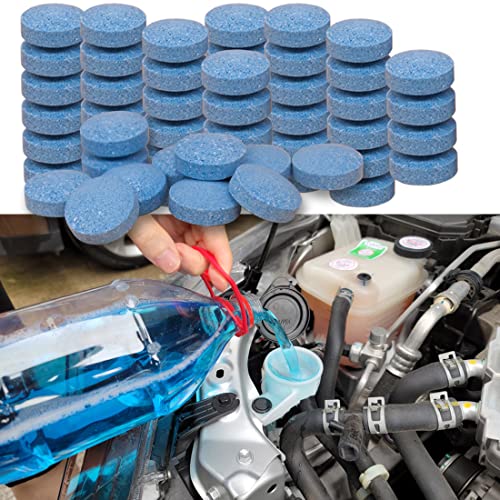
🍀ECONOMICAL& EFFICIENT You will obtain 100 pieces of solid concentrated clean washer tablets in total,the abundant quantity can satisfy your long-term demands. This washer fluid tablets will help you to save large amount money compared to the purchase of traditional washer fluid,because 100 pellets equals 100 gallon washer fluid.1 tablet+1gallon water= 1gallon windshield washer fluid.
Understanding Fluid Functions
- Blue Fluid: Typically contains a mix of cleaning agents designed for general use. It effectively removes light dirt and debris.
- Green Fluid: Contains antifreeze agents, making it ideal for cold weather. Use it during winter months to prevent freezing.
- Yellow Fluid: Formulated specifically for tough stains like bird droppings or tree sap. It breaks down stubborn contaminants for easier removal.
- Orange Fluid: Focuses on removing stubborn grime and dirt that regular cleaners might not tackle effectively. It’s perfect for heavily soiled windshields.
- Clear Fluid: A basic cleaning solution suitable for regular maintenance. It provides clarity without unnecessary additives.
Checking Labels and Additives
Labels provide essential information about fluid composition. Look for details on additives such as surfactants or antifreeze agents. Understanding these components ensures you choose a product that meets your driving conditions and cleaning needs.
Ensuring Optimal Performance
Choosing the right fluid color enhances visibility by keeping your windshield cleaner. Regularly check the washer fluid reservoir. If you notice a blockage or unclear visibility, consider switching to a more suitable color. Always prefer fluids that align with your region’s climate and environmental conditions.
- Pour Wisely: When refilling, avoid overfilling the reservoir, which might lead to spills.
- Seasonal Swaps: Transition between different colors depending on the season. Use antifreeze in winter and switch to regular cleaning fluids in warmer months.
- Test and Observe: Try different brands and colors to see which works best for your vehicle and driving conditions.
Selecting the right windshield washer fluid not only enhances cleaning efficiency but also contributes significantly to your overall driving safety.
Conclusion
Choosing the right color for your windshield washer fluid can make a big difference in your driving experience. By understanding what each color represents you can ensure your windshield stays clean and clear in any condition.
Remember to keep an eye on your fluid levels and switch it up with the seasons. This simple step can help you maintain visibility and safety on the road. So next time you fill up your washer fluid take a moment to consider which color is best for your needs. Happy driving!
Frequently Asked Questions
What are the different colors of windshield washer fluid, and what do they mean?
Different colors of windshield washer fluid indicate their specific purposes. Blue is for general use, green includes antifreeze for cold weather, yellow targets tough stains, orange is for stubborn grime, and clear is for basic cleaning. Each color is designed to tackle different types of windshield dirt effectively.
How often should I check my windshield washer fluid?
It’s a good practice to check your windshield washer fluid at least once a month or before long trips. Regular monitoring ensures you have enough fluid to maintain visibility and safety while driving.
Can I mix different colors of windshield washer fluid?
Mixing different colors of windshield washer fluid is generally not recommended, as it may dilute the effectiveness of each fluid’s specific additives. Stick to one type for optimal performance, especially if a color targets specific grime.
Is it important to choose washer fluid based on the season?
Yes, selecting windshield washer fluid color according to the season is crucial. For cold weather, choose fluids with antifreeze to prevent freezing. In warmer months, opt for fluids that effectively remove pollen and other seasonal dirt.
What should I look for on the washer fluid label?
When choosing windshield washer fluid, check for additives like surfactants and antifreeze agents. Ensure the product is suited for your local driving conditions and matches the specific cleaning needs based on the color you select.
