

Ever found yourself in a bind with a dirty windshield and no washer fluid in sight? It happens to the best of us. Whether you’re on a road trip or just running errands, having a clear view is essential for safe driving.
Key Takeaways
- Importance of Windshield Washer Fluid: Windshield washer fluid is essential for maintaining visibility by removing dirt and grime, ensuring safe driving conditions.
- Common Washer Fluid Ingredients: Typical components include water, surfactants, alcohol, and fragrance, which work together to clean effectively.
- Effective Alternatives: If you run out of washer fluid, you can use plain water, a vinegar and water mixture, or rubbing alcohol diluted with water as effective substitutes.
- DIY Cleaner Recipes: Simple recipes using vinegar or rubbing alcohol can be easily prepared at home, saving money and ensuring you always have a cleaning solution on hand.
- Safety Considerations: Avoid using improper fluids like bleach or ammonia as substitutes, as they can damage your vehicle and pose health risks.
- Environmental Impact: Be mindful of how you dispose of homemade cleaning solutions, and follow local regulations to minimize environmental harm.
Understanding Windshield Washer Fluid
Windshield washer fluid plays a crucial role in maintaining visibility while driving. It cleans dirt and debris from your windshield, enhancing safety on the road. If you run out of washer fluid, several alternatives are available.
Purpose of Windshield Washer Fluid
Windshield washer fluid removes contaminants like dirt, dust, and grime. It helps ensure a clear view while driving, particularly during adverse weather conditions. The fluid contains cleaning agents that effectively break down and lift away dirt, making it easier for the wipers to clean the surface.
Common Ingredients in Washer Fluid
Windshield washer fluid typically contains the following ingredients:
- Water: Acts as the main solvent, diluting other components for easier application.
- Surfactants: Break down dirt and grime, allowing for efficient cleaning.
- Alcohol: Prevents freezing and helps with evaporation, especially in colder climates.
- Fragrance: Provides a pleasant scent during use.
Keep these components in mind when considering alternatives to commercial washer fluid.
Alternatives to Windshield Washer Fluid
If you can’t get commercial windshield washer fluid, several alternatives can maintain visibility while driving. These options are effective and easy to prepare.
Recommended Products

Safer, Plant-Derived Ethanol Formula: Renewable, plant-based alternative to petroleum & methanol. Safer for families & pets

EFFORTLESS CLEANING: Enjoy hassle-free maintenance with ABRO's pre-mixed windshield wiper fluid formula, saving you time and effort in preparing the solution for streak-free clarity.

advanced Water beading technology leaves no streaks and is glare free
Water
Water is the simplest alternative. It’s readily available and can help remove light dirt and dust from your windshield. While plain water won’t eliminate tough grime or oil, it can work in a pinch. Just fill your washer reservoir with clean water and use as needed.
Vinegar and Water Mixture
Mixing vinegar and water creates an effective cleaning solution. Blend equal parts of white vinegar and water for a powerful formula that cuts through grime. Vinegar’s acidity helps dissolve dirt, making your windshield easier to clean. Use a funnel to pour this mixture into your washer reservoir, ensuring a clear view.
Rubbing Alcohol
Rubbing alcohol is another strong alternative. Combine 1 part of rubbing alcohol with 3 parts of water for a solution that works effectively in cold weather. This mix prevents freezing in your washer reservoir while cleaning the windshield. Pour it in using a funnel to avoid spills.
Commercial Alternatives
Several store-bought alternatives can substitute windshield washer fluid. Blue Dawn dish soap, mixed with water, creates a gentle cleaner. Ensure you use a small amount of soap to avoid suds in your reservoir. Additionally, dedicated automotive cleaning solutions are available at most auto supply stores. These products provide effective cleaning without harming your vehicle’s components.
DIY Windshield Cleaner Recipes
Making your own windshield cleaner can save money and ensure you always have a solution on hand. Here are two simple and effective recipes.
Recommended Products
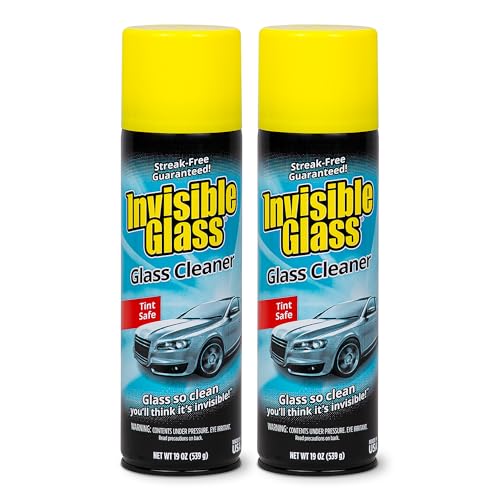
PROUDLY MADE IN THE USA: Invisible Glass is formulated, manufactured, and distributed in the USA. We use premium ingredients to deliver performance and reliability you can trust.

CAR & AUTO GLASS CLEANER: Cuts through fingerprints, smudges, grease, and road film on car windows and windshields. Dries streak-free with no residue.
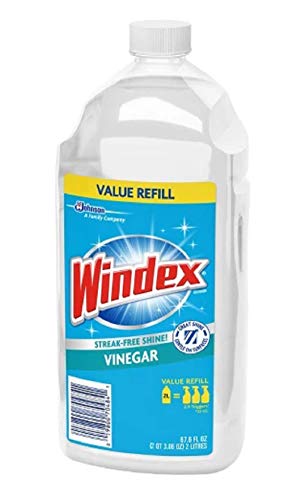
Johnson S C Inc Windex Vinegar Glass Cleaner
Simple Vinegar Solution
Mix equal parts of distilled white vinegar and water for a straightforward windshield cleaner. This solution effectively removes dirt, grime, and pollen.
- Gather your materials:
- 1 cup distilled white vinegar
- 1 cup water
- A clean spray bottle
- Pour the vinegar and water into the spray bottle.
- Shake gently to combine.
- Spray the solution directly onto the windshield and wipe with a microfiber cloth or sponge.
This solution works well for everyday cleaning and leaves your windshield streak-free.
Alcohol-Based Cleaner
An alcohol-based cleaner offers a more potent solution, especially for tough grime and bugs. Use isopropyl alcohol mixed with water.
- Gather your materials:
- 1 cup isopropyl alcohol (70% or 91%)
- 1 cup water
- A few drops of dish soap (optional)
- A clean spray bottle
- Combine the isopropyl alcohol and water in the spray bottle.
- Add dish soap for extra cleaning power, if desired.
- Shake well to mix.
- Spray onto the windshield and wipe with a microfiber cloth or sponge.
This cleaner works effectively in colder temperatures, helping to prevent streaks and ensuring visibility.
Both of these DIY options are easy to make, inexpensive, and keep your windshield clean and clear for safer driving.
Safety Considerations
Using alternatives to commercial windshield washer fluid can involve safety risks. Understanding these risks helps maintain your vehicle’s functionality and your safety while driving.
Recommended Products

Removes and repels the toughest road grime

This item can no be shipped to the state in California, Техаs, Arizona please check with the manufacturer regarding warranty and support issues.

Add to existing washer fluid
Risks of Using Improper Fluids
Using improper fluids can damage your vehicle’s systems. Substitutes like household cleaners, bleach, or ammonia can lead to scratches on your windshield or damage to your car’s paint. Such solutions may also contain chemicals that can be harmful if they come in contact with your skin or eyes. Always test a small area first if you’re unsure about the fluid’s compatibility.
Environmental Impact
Alternative fluids can also affect the environment. Ingredients like vinegar or alcohol pose less risk than commercial fluids, but disposing of these substances improperly can harm ecosystems. Always follow local disposal regulations. Check for any recycling programs in your area for used cleaning products to minimize environmental impact.
Conclusion
Finding a substitute for windshield washer fluid can be a practical solution when you’re in a pinch. Whether you opt for a DIY vinegar mix or an alcohol-based cleaner, just make sure to prioritize safety and effectiveness. Always steer clear of harmful substances that could damage your vehicle or pose health risks.
By being mindful of your choices and their environmental impact, you can keep your windshield clean and clear while also protecting your car and the planet. So next time you’re low on washer fluid, you’ve got some handy alternatives to consider. Safe driving starts with a clear view ahead!
Frequently Asked Questions
What is windshield washer fluid and why is it important?
Windshield washer fluid is a liquid used to clean the windshield while driving. It helps maintain clear visibility, especially in bad weather conditions. Regular use is crucial for safe driving as it removes dirt, grime, and other debris that could obstruct your view.
What are common ingredients in commercial windshield washer fluid?
Commercial windshield washer fluids typically contain water, methanol, and surfactants. These ingredients work together to effectively clean the windshield and prevent freezing in cold temperatures. Always check the label for specific components and their concentrations.
Can I make my own windshield washer fluid?
Yes, you can make DIY windshield washer fluid using common household ingredients. A simple mix involves combining water with vinegar or rubbing alcohol. These alternatives are cost-effective and can clean your windshield without harming it.
What are the risks of using improper fluids?
Using improper fluids like household cleaners, bleach, or ammonia can damage your vehicle’s systems and pose health risks. These substances may corrode rubber seals or harm sensitive components, leading to costly repairs. Always use fluids designed for automotive use.
How do I dispose of windshield washer fluid safely?
To dispose of windshield washer fluid safely, check local regulations for hazardous waste disposal. Many areas have special collection days for harmful substances. Never pour used fluid down drains or into the ground, as it can harm the environment and local water sources.
Are there environmental concerns with homemade washer fluids?
Yes, while homemade washer fluids like vinegar or alcohol can be less toxic, they still pose environmental risks. It’s important to dispose of them properly to minimize harm to ecosystems. Educate yourself on local disposal methods to ensure safety for the environment.
