

Feeling under the weather with the flu can leave you questioning your daily routines. One common dilemma is whether you should wash your hair while you’re sick. You might wonder if it’ll help you feel refreshed or if it’ll just add to your discomfort.
This article will explore the pros and cons of washing your hair when you’re battling the flu. You’ll find practical advice to help you make the best decision for your health and comfort. By the end, you’ll know exactly what to do to keep your spirits up while you recover.
Key Takeaways
- Understanding the Flu: The flu is a contagious respiratory illness with common symptoms such as fever, cough, sore throat, and fatigue; it spreads through respiratory droplets and surfaces.
- Impact on Hair and Scalp: Flu symptoms like fever and fatigue can negatively affect scalp health, causing dryness, irritation, and potential hair fall.
- Washing Hair Considerations: Washing your hair can improve hygiene and boost mood, but consider fatigue and temperature sensitivity, which may affect your decision.
- Alternative Hair Care Tips: Use dry shampoo, limit heat styling, and maintain hydration to keep your hair healthy without overexerting yourself during illness.
- Listening to Your Body: Always prioritize your comfort and health; make decisions based on how you feel to aid in your recovery while managing personal care routines.
Understanding the Flu
The flu, or influenza, is a contagious respiratory illness caused by viruses. It can lead to mild to severe illness, and at times, it may result in hospitalization or death. Symptoms of the flu typically include fever, cough, sore throat, body aches, fatigue, and sometimes nausea or vomiting.
Flu viruses spread easily through droplets when an infected person coughs, sneezes, or talks. You can also contract the flu by touching surfaces contaminated with the virus, then touching your face. The flu is most contagious in the first 3-4 days after symptoms appear, but you might still be contagious a day before symptoms show and up to a week after.
Key Facts About the Flu
- Symptoms: Fever, chills, cough, sore throat, runny nose, muscle aches, fatigue.
- Transmission: Respiratory droplets, contaminated surfaces, close contact.
- Contagious Period: Generally 1 day before symptoms and 5-7 days after onset.
When to Seek Medical Attention
You should consult a healthcare provider if you experience:
- Difficulty breathing or shortness of breath
- Chest pain or pressure
- Sudden dizziness
- Severe or persistent vomiting
- Symptoms that improve but then return with fever and worse cough
- Rest: Prioritize sleep and relaxation to support your immune system.
- Hydrate: Drink plenty of fluids, such as water, herbal tea, or broth.
- Medication: Use over-the-counter medications to alleviate symptoms, but always follow package instructions.
- Avoid Spreading the Flu: Practice good hygiene by washing your hands frequently and covering your mouth when coughing or sneezing.
Understanding the flu can help you manage your symptoms effectively and make better choices about your care, including decisions about hair washing during your illness.
Effects of the Flu on Hair and Scalp Health
The flu affects more than just your respiratory system. It can influence hair and scalp health due to various symptoms and conditions that arise during illness.
Recommended Products

TEA TREE OIL SCALP TREATMENT - Soothe a dry, itchy scalp with a leave in conditioner spray built around tea tree oil. This scalp treatment helps calm itching and flaking, so anti-dandruff relief and daily scalp care come from one bottle.

Contains herbal extracts of sage, thyme and witch hazel

Common Symptoms of the Flu
Flu symptoms can vary, but you’ll often experience:
- Fever: Elevated body temperature affects overall well-being.
- Cough: Persistent coughing can irritate your scalp and forehead.
- Fatigue: Extreme tiredness may reduce your energy for personal care.
- Body Aches: Muscle soreness can make it uncomfortable to maintain grooming routines.
- Dehydration: As your body loses fluids, your scalp may become dry.
These symptoms can lead to changes in hair and scalp condition, including dryness, irritation, and increased hair fall.
Impact of Fever on Hair
Fever can negatively impact hair health in several ways:
- Elevated Temperature: Higher body temperatures increase scalp oil production. This may lead to greasy hair and clogged follicles.
- Reduced Circulation: During fever, blood circulation may fluctuate, potentially affecting hair growth cycles.
- Stress on Hair: The body’s stress response to fighting the flu can trigger hair shedding.
Fever’s effects on your hair can vary based on individual health factors. Staying hydrated and maintaining proper nutrition helps mitigate some of these issues.
Should You Wash Your Hair with the Flu?
Washing your hair while experiencing the flu is a common concern. You might wonder how it affects your hair and overall comfort during illness.
Recommended Products

Designed for comfortable and convenient in-bed hair washing. Also allows hair spa at home.
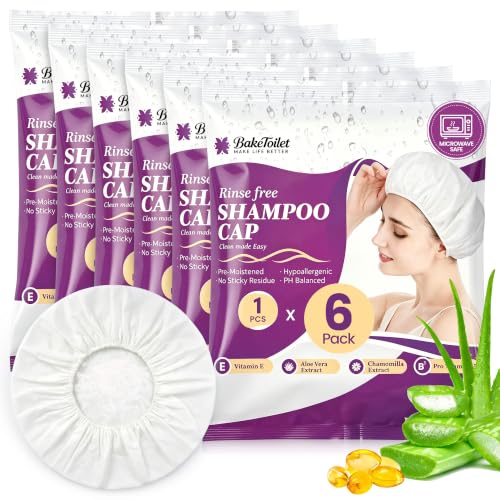
Shampoo Caps No Rinse: Our Shampoo caps no need rinse comes pre-moistened with shampoo and conditioner – you don't need to add water. Just open the sealed pouch, put the cap on, massage for 2-3 minutes, then remove and towel dry. Your hair will feel refreshed and clean, and completely rinse-free.

Waterless Shampoo for Women: The cap contains shampoo and a light conditioner, so your hair will feel refreshed and clean. Use warm or cold to get that fresh, warm and clean feeling after each application.
Benefits of Washing Hair During Illness
- Improves Hygiene: Cleaning your hair reduces the buildup of oil and sweat. This provides a fresher feeling when you’re often bedridden.
- Boosts Comfort: A warm shower can offer relief from chills or congestion. The warmth helps relax tight muscles and can ease tension.
- Enhances Mood: Feeling clean positively influences your mood. A quick wash might uplift your spirits when you’re not feeling well.
- Exhaustion: Showering requires energy. If you’re fatigued, it may lead to increased tiredness.
- Temperature Sensitivity: Altering body temperature from hot to cold can worsen chills. Adjust water temperature carefully to avoid discomfort.
- Infection Spread: If you have a fever, excessive exposure to water may weaken your immune response. Limit time spent in wet environments.
Consider your symptoms before deciding to wash your hair. Balancing hygiene and comfort can help you feel better during your flu recovery.
Alternative Hair Care Tips While Sick
When you’re sick with the flu, maintaining hair health requires alternative approaches. Here are some practical tips to help you care for your hair without overexerting yourself.
Recommended Products
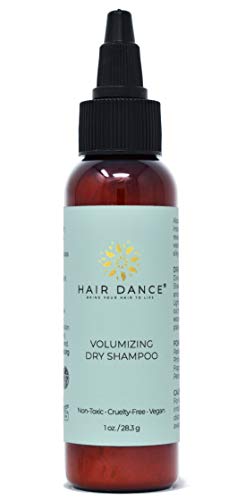
Customers note that the bottle is small but lasts months. All Natural, Vegan, Cruelty-Free. Made in USA. NO talc, parabens, baking soda, or phtalates. Non aerosol. Regulate the amount of powder coming out by partially twisting the cap open.
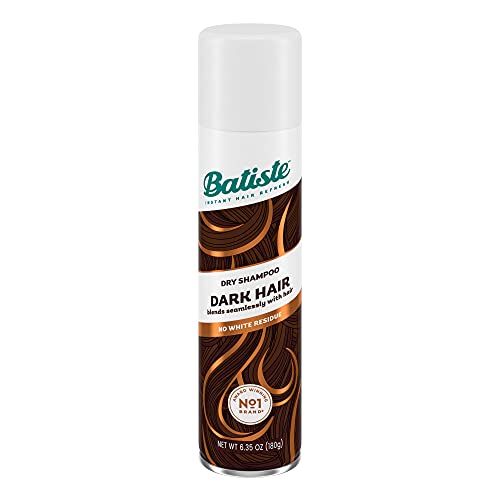
One 6.35 oz bottle of Batiste Dark Dry Shampoo
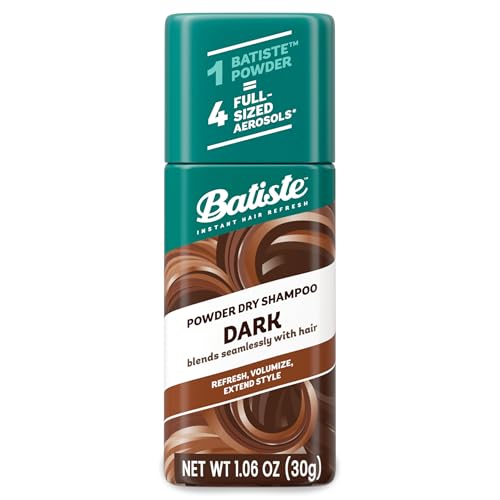
NON AEROSOL: Batiste Dark Powder Dry Shampoo, an aerosol-free version of your favorite award-winning dry shampoo spray
Use Dry Shampoo
- Absorb Greasiness: Dry shampoo helps absorb excess oil and adds freshness.
- Apply Sparingly: Spray directly onto roots, then gently massage into the scalp.
Limit Heat Styling
- Avoid Damage: Skip heat tools like blow dryers or straighteners to prevent further damage.
- Opt for Air Drying: Let your hair air dry naturally when possible.
Keep Hair Accessories Minimal
- Choose Soft Bands: Use soft hair ties or scrunchies to avoid breakage.
- Skip Tight Styles: Loosen styles to reduce strain on your hair and scalp.
Maintain Hydration
- Drink Fluids: Stay hydrated with water, herbal teas, and broths to promote overall hair health.
- Include Nutrient-Rich Foods: Consume foods high in vitamins and minerals, like fruits, vegetables, and nuts.
Gentle Scalp Care
- Massage Lightly: Gently massage your scalp with your fingers to promote circulation without causing fatigue.
- Opt for Natural Oils: Consider natural oils like coconut or olive oil for added moisture. Apply a small amount to your fingertips and run through your hair.
- Cold Water Rinse: If washing isn’t ideal, a quick rinse with cool water can refresh your hair without exhausting you.
- Skip Shampoo: Rinse without shampoo to avoid directly affecting your scalp while still feeling clean.
Using these alternative hair care tips, you can maintain a bit of your grooming routine even when battling the flu. Prioritize your comfort and recovery while keeping your hair in check.
Conclusion
Taking care of your hair while you’re battling the flu doesn’t have to be a struggle. By prioritizing comfort and using gentle alternatives like dry shampoo you can keep your hair looking decent without overwhelming yourself. Remember to stay hydrated and give your scalp some extra TLC during this time. Your health comes first so don’t hesitate to adjust your routine to suit your needs. You’ll be back to your regular hair care habits in no time.
Frequently Asked Questions
How do flu symptoms affect hair health?
Flu symptoms can lead to dehydration and stress, which may negatively impact hair health. When sick, your body focuses on recovery, possibly diverting nutrients from hair growth. Staying hydrated and maintaining a balanced diet is crucial for hair maintenance during illness.
Is it okay to wash my hair while I have the flu?
Yes, you can wash your hair while you have the flu, but consider your comfort level. If washing feels refreshing, go for it. However, ensure you use a mild shampoo and maintain a warm, comfortable environment to avoid worsening your symptoms.
What are some alternative hair care tips when sick?
When sick, consider using dry shampoo to absorb oil without washing. Limit heat styling, use minimal hair accessories, and hydrate your hair regularly. Gentle scalp care is essential, along with rinsing with cold water to prevent irritation.
How can I stay hydrated for better hair health while sick?
Drink plenty of fluids, including water, herbal teas, and broths. Foods high in water content, like fruits and vegetables, also help. Staying hydrated supports overall health and can aid in maintaining hair strength during illness.
Why is nutrition important for hair health when I have the flu?
Nutrition plays a vital role in hair health, particularly during illness. Consuming a balanced diet rich in vitamins and minerals helps your body recover and supports hair follicles. Focus on foods high in protein, vitamins A, C, E, and omega-3 fatty acids for optimal hair health.
