

Have you ever spilled windshield washer fluid and wondered if it’s harmful? You’re not alone. Many people use this everyday product without thinking twice about its safety. But what happens if your curious pet decides to take a lick or if a child accidentally gets some on their hands?
Key Takeaways
- Understanding Ingredients: Windshield washer fluid mainly contains water, washing agents, and antifreeze (like ethylene glycol), which is toxic if ingested.
- Health Risks: Ingestion can cause serious symptoms such as nausea and dizziness, making children and pets particularly vulnerable.
- Proper Usage: Always read labels for safety instructions, use the fluid appropriate for your climate, and store it securely away from children and pets.
- Safety Measures: Wear gloves and goggles while handling, use in well-ventilated areas, and avoid contact with skin and eyes to minimize risks.
- Emergency Response: In case of ingestion or exposure, seek immediate medical attention and follow recommended first aid procedures for skin or eye contact.
Overview of Windshield Washer Fluid
Windshield washer fluid is essential for maintaining visibility while driving. It’s designed to clean your vehicle’s windshield, using a mixture of water, cleaning agents, and often antifreeze chemicals for colder climates. The specific ingredients can vary widely based on the brand and type.
Common Ingredients
- Water
Most windshield washer fluids contain a significant portion of water. It acts as the base for diluting other ingredients. - Washing Agents
Detergents or surfactants help break down dirt and grime on your windshield. These enhance the cleaning power of the fluid. - Antifreeze
In cold weather washer fluids, ethylene glycol or methanol is present to prevent freezing. These substances lower the freezing point of the liquid. - Dyes and Fragrances
Manufacturers often add dyes for color and fragrances to mask chemical odors, making the fluid more appealing.
Safety Considerations
Windshield washer fluid can pose risks if ingested. The antifreeze components, especially ethylene glycol, are toxic. Signs of poisoning can include nausea, vomiting, and dizziness. Children and pets are particularly vulnerable, so store the fluid out of reach.
- Check Label Instructions
Always read the label for safety and usage instructions. Follow guidelines to ensure proper operation of your vehicle’s washer system. - Use in Proper Conditions
Use fluid designed for your climate. Choose a winter-specific formula if you live in cold areas. - Dispose Responsibly
Dispose of old or unused windshield washer fluid according to local hazardous waste regulations. This prevents environmental contamination.
Understanding the ingredients and risks associated with windshield washer fluid helps you use it responsibly. Stay informed about what’s in this common product and how to handle it safely.
Ingredients in Windshield Washer Fluid
Windshield washer fluid contains various components designed for effective cleaning and maintenance. Being aware of these ingredients helps you make informed choices about safe usage.
Common Chemicals Used
- Water: Serves as the primary solvent, making up most of the fluid’s volume.
- Washing agents: Include surfactants that break down dirt and grime on your windshield.
- Antifreeze: Frequently consists of ethylene glycol or propylene glycol, which prevent the fluid from freezing in cold temperatures.
- Dyes: Added for color to enhance visibility and identification of the fluid.
- Fragrances: Sometimes included to mask chemical odors and provide a pleasant scent.
- Ethylene Glycol: Found in many antifreeze formulas, this compound is poisonous if ingested. Ingesting small amounts can lead to symptoms such as nausea and dizziness.
- Surfactants: Certain washing agents may cause skin irritation or allergic reactions upon contact.
- Ingestion Risks: Even small quantities can pose health risks, especially to pets and small children, if consumed or licked off surfaces.
Being aware of these ingredients and their potential risks helps you handle windshield washer fluid responsibly. Always check product labels and use accordingly to maintain safety.
Health Risks Associated with Windshield Washer Fluid
Windshield washer fluid poses several health risks, particularly if ingested or if it comes in contact with skin or eyes. Understanding these risks ensures safe usage and handling.
Recommended Products

Removes and repels the toughest road grime

Specially formulated with outstanding cleaning agents to remove bug matter and road film without smearing or streaking, while remaining safe for metal, glass, and paint surfaces

This item can no be shipped to the state in California, Техаs, Arizona please check with the manufacturer regarding warranty and support issues.
Ingestion Risks
Ingesting windshield washer fluid can be extremely hazardous. Symptoms of ingestion may include nausea, vomiting, dizziness, and abdominal pain. Ethylene glycol, a common ingredient, is highly toxic and can lead to serious health issues or even death. If ingestion occurs, seek medical help immediately. Watch pets and children closely to prevent accidental ingestion, as even small amounts can be harmful.
Skin and Eye Exposure
Skin contact with windshield washer fluid can cause irritation or allergic reactions. Ethylene glycol and other additives might lead to rashes, redness, or burning sensations. In cases of eye exposure, flushing the eyes with water for at least 15 minutes is crucial. Seek medical attention if irritation persists. Always wear gloves and protective eyewear when handling windshield washer fluid to minimize risks from exposure.
Safe Usage and Handling Practices
Understanding safe usage and handling practices for windshield washer fluid helps prevent accidents and ensures your safety. Here are key measures to follow.
Recommended Products
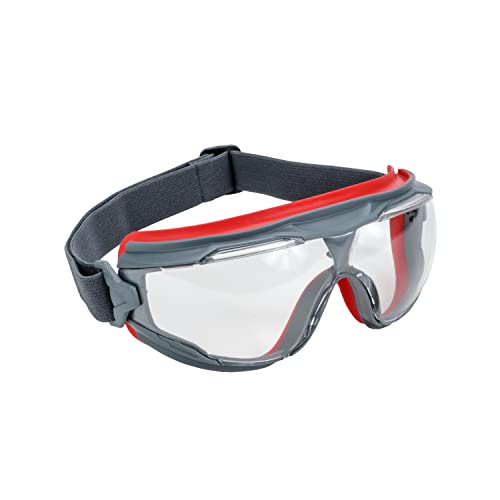
3M Scotchgard Anti-Fog Coating lasts longer than traditional anti-fog coatings, helping to increase eyewear performance in wet and steamy environments

Outdoor Vision Protection: 23% gray lens tint filters bright light and glare, reducing eye fatigue during long outdoor shifts.
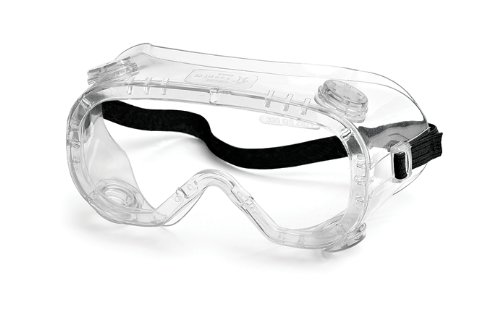
A classic splash goggle line, Technician is a style that already has the confidence of many workers
Recommended Safety Measures
- Read Labels Carefully: Always check product labels for specific safety instructions and warnings. This provides critical information on handling and potential hazards.
- Use in Well-Ventilated Areas: Work with windshield washer fluid in open or well-ventilated spaces. This reduces inhalation risks of harmful fumes.
- Wear Protective Gear: Use gloves and goggles when pouring or mixing washer fluid. This minimizes skin and eye exposure.
- Store Properly: Keep windshield washer fluid locked away from children and pets. Store it in a cool, dry place to prevent accidental ingestion.
- Keep Away from Food: Never handle or store washer fluid near food and drink items. This avoids contamination.
- In Case of Ingestion: If you or someone else ingests windshield washer fluid, seek immediate medical help. Don’t induce vomiting unless specifically instructed by poison control.
- For Skin Contact: If washer fluid contacts the skin, wash the area thoroughly with soap and water. Monitor for irritation and seek medical attention if it persists.
- For Eye Contact: In case of eye exposure, rinse eyes with clean water for at least 15 minutes. Seek medical attention right away if irritation continues.
- Report Accidental Releases: If the fluid spills, clean it up using appropriate materials and dispose of them safely. Inform local authorities if the spill is significant.
- Keep Poison Control Numbers Handy: Save poison control contact details for quick access in emergencies. It provides vital assistance regarding any exposure or risk.
Implementing these practices ensures safer handling of windshield washer fluid. Prioritize safety to protect yourself and others from potential harm.
Conclusion
Staying informed about the potential dangers of windshield washer fluid is key to keeping your family and pets safe. By understanding its ingredients and following safety guidelines you can minimize risks and handle it responsibly. Always remember to read labels and store it out of reach of children and animals.
If you ever find yourself in a situation where exposure occurs don’t hesitate to seek help. Your vigilance makes all the difference in ensuring a safe environment while keeping your vehicle in top shape.
Frequently Asked Questions
What is windshield washer fluid made of?
Windshield washer fluid typically consists of water, washing agents, antifreeze like ethylene glycol, dyes, and fragrances. The antifreeze components are particularly concerning due to their toxicity.
Why is windshield washer fluid dangerous for pets?
Windshield washer fluid can be harmful to pets if ingested because it often contains ethylene glycol, which is toxic and can lead to serious health issues, including kidney failure.
What should I do if my child or pet ingests windshield washer fluid?
If ingestion occurs, seek immediate medical attention. Contact a poison control center or take the individual to the nearest emergency room for evaluation and treatment.
How should I safely handle windshield washer fluid?
Always read the label before use, work in well-ventilated areas, wear protective gear like gloves and goggles, and store it securely out of reach of children and pets.
How do I dispose of windshield washer fluid?
Follow local regulations for hazardous waste disposal. Never pour it down the drain or throw it in regular trash. Instead, take it to a designated hazardous waste facility.
