

Have you ever accidentally splashed windshield washer fluid on your skin and wondered if it’s harmful? You’re not alone. Many people encounter this scenario while topping off their car’s fluids. It’s easy to overlook the potential risks when dealing with everyday products.
Key Takeaways
- Windshield Washer Fluid Ingredients: The fluid typically contains water, methanol, ethanol, detergents, and colorants, which can cause skin irritation and allergic reactions.
- Immediate Skin Reactions: Contact with windshield washer fluid may result in skin irritations such as redness, itching, and burning; rinsing the area with soap and water for at least 15 minutes is crucial.
- Long-Term Effects: Prolonged exposure can lead to chronic skin conditions, like dermatitis, especially for individuals with sensitive skin or pre-existing conditions.
- Safety Precautions: Always wear gloves and goggles when handling windshield washer fluid, check labels for ingredient warnings, and avoid mixing products from different brands.
- Eco-Friendly Alternatives: Consider using non-toxic, biodegradable options or homemade solutions to minimize risks to skin and the environment.
- Proper Storage: Store windshield washer fluid in a cool, dry place away from children to prevent accidents and ensure safe handling.
Overview of Windshield Washer Fluid
Windshield washer fluid contains several ingredients, including water, alcohol, and detergents. These components help clean dirt and debris from your windshield while improving visibility. However, certain additives vary by brand, which can influence safety.
Most windshield washer fluids include methanol, a toxic alcohol. Methanol can cause irritation on contact with skin, leading to redness or itching. Smaller quantities of less harsh chemicals often appear in “green” or “eco-friendly” formulas, which present fewer risks.
When considering safety, check the product’s label. Look for potential warnings or precautions. Pay attention to any special instructions regarding skin contact.
If washer fluid spills, rinse the affected area with soap and water immediately. This minimizes any adverse reactions. For persistent irritation, consult a medical professional.
Common Ingredients in Windshield Washer Fluid:
- Water: Dilutes the mixture and provides cleaning power.
- Methanol: Provides antifreeze properties but poses skin irritation risk.
- Detergents: Break down grime on the windshield for effective cleaning.
- Coloring Agents: Enhance visibility but may cause allergic reactions.
- Always store windshield washer fluid out of reach of children.
- Use gloves when handling concentrated formulas.
- Avoid direct skin contact whenever possible.
Understanding the ingredients and their implications helps you handle windshield washer fluid safely.
Recommended Products

Safer, Plant-Derived Ethanol Formula: Renewable, plant-based alternative to petroleum & methanol. Safer for families & pets

Crystal Clear Streak-Free Vision: Advanced windshield cleaner delivers spot-free clarity with every spray-professional-grade performance without streaks or smears

PREMIUM GRADE CLEANING PERFORMANCE - Engineered for superior visibility, this high-performance windshield washer fluid delivers dependable, professional-level cleaning with every spray. Designed for drivers who expect more than basic store brands, it provides consistent clarity in everyday driving conditions.
Ingredients in Windshield Washer Fluid
Understanding the ingredients in windshield washer fluid helps you manage its safe use. This fluid typically contains a mix of water, alcohols, and detergents.
Recommended Products

SAFE FOR CAMERAS & ADAS SENSORS — Formulated without bug-wash additives that can interfere with forward-facing cameras, autopilot systems, and driver-assist sensors. Engineered for use in Tesla and other camera-equipped vehicles.

Super-concentrated with 3 times the cleaning power of ordinary wash

Methanol-Free・Created for EVs & Performance Cars: This Auto Glass Cleaner won't Damage Rain Guards, Ceramic Coatings, or Protective Treatments—Engineered for Modern Windshield Technology. A Safer Alternative to Petroleum & Methanol. Safer for Families & Pets.
Common Chemicals Used
- Water: The primary component, providing the base for the fluid.
- Methanol: A toxic alcohol used for its effective cleaning properties. Exposure can lead to serious skin irritation or other health issues.
- Ethanol: Another type of alcohol, which can be less irritating but still potentially harmful.
- Detergents: Chemicals like sodium lauryl sulfate help to break down grime and dirt on windshields, increasing cleaning efficiency.
- Colorants: Used to enhance visibility, these may vary by product and usually don’t pose significant risks.
- Methanol: Significant irritant that can cause redness and discomfort upon contact.
- Ethanol: May lead to dryness or irritation with prolonged exposure.
- Fragrance Chemicals: Added for scent, they can provoke allergic reactions in sensitive individuals.
- Surfactants: Found in detergents, they can disrupt the skin barrier and lead to irritation.
Always check product labels for specific ingredients and safety warnings. If you come into contact with windshield washer fluid, rinse your skin immediately and consider consulting a medical professional for persistent irritation.
Effects of Windshield Washer Fluid on Skin
Windshield washer fluid can cause skin reactions, both short-term and long-term. Understanding these effects helps you take the right precautions when handling the product.
Short-Term Reactions
Exposure to windshield washer fluid might lead to immediate skin irritations. Symptoms include redness, itching, and burning sensations. These reactions occur due to ingredients like methanol and ethanol, which can be harsh on your skin. If you come into contact with the fluid, wash the area thoroughly with soap and water for at least 15 minutes. This helps minimize irritation and reduces the risk of developing more severe symptoms.
Long-Term Exposure Risks
Repeated exposure to windshield washer fluid can pose greater health risks. Chronic contact may lead to conditions such as dermatitis, resulting in dry, inflamed skin. People with sensitive skin or pre-existing skin conditions face amplified risks. Protect your skin by wearing gloves and ensuring proper ventilation when handling the fluid. Always store it securely to prevent accidental spills and minimize exposure. For any persistent skin issues, consult a healthcare professional for assessment and advice.
Safety Measures and Recommendations
Taking safety precautions when using windshield washer fluid protects your skin. Follow these guidelines to minimize risk and ensure safe handling.
Recommended Products
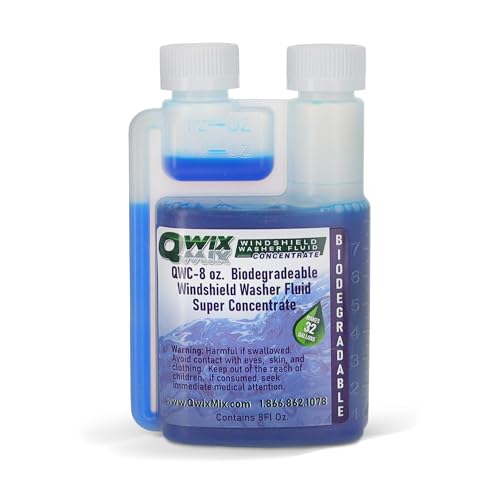
[Super Concentrated Savings] Qwix Mix windshield washer fluid concentrate makes up to 55 gallons of premium windshield washer fluid from one 8 oz bottle, saving money versus pre-mixed windshield washer fluids

Removes and repels the toughest road grime

This item can no be shipped to the state in California, Техаs, Arizona please check with the manufacturer regarding warranty and support issues.
Proper Handling Guidelines
- Wear gloves when handling windshield washer fluid to avoid direct skin contact.
- Use safety goggles if there’s a risk of splashing. Protect your eyes from irritants.
- Check product labels for specific warnings or instructions before use. Each product may contain different ingredients.
- Store fluids in a cool, dry place, away from direct sunlight. This helps preserve the product’s effectiveness and reduces chemical reactions.
- Avoid mixing fluids from different brands, as reactions could occur. Stick to one brand for consistency.
- Consider eco-friendly windshield washer fluids that use natural ingredients. These typically pose less risk to skin and the environment.
- Look for products labeled as “non-toxic” or “biodegradable.” These options offer safety for both users and the planet.
- Explore homemade solutions using water, vinegar, or natural soaps. These can effectively clean windshields without harmful chemicals. Ensure a proper dilution to maintain effectiveness.
By following these measures and utilizing alternatives, you can maintain safety while ensuring windshield cleanliness without compromising your skin health.
Conclusion
Taking care of your skin while handling windshield washer fluid is essential. By following safety precautions and staying informed about the ingredients in these products you can minimize any potential harm. Remember to wear gloves and goggles and always rinse your skin if you come into contact with it.
If you’re concerned about harsh chemicals consider switching to eco-friendly options or even making your own solution. Your skin and the environment will thank you for it. Stay safe and keep your windshield clear!
Frequently Asked Questions
What are the risks associated with windshield washer fluid?
Windshield washer fluid can contain ingredients like methanol and ethanol, which may cause skin irritation and other health concerns if not handled properly. It’s important to be cautious when using these fluids.
How can I protect myself when using windshield washer fluid?
To stay safe, wear gloves and safety goggles while handling the fluid. Always check the product label for warnings and recommendations, and store the fluid away from children and pets.
What should I do if windshield washer fluid comes into contact with my skin?
If you come in contact with windshield washer fluid, rinse the affected area with plenty of water immediately. If irritation persists or you have severe reactions, seek medical advice promptly.
Are there safer alternatives to traditional windshield washer fluid?
Yes, consider using eco-friendly, non-toxic windshield washer fluids or homemade solutions. These options are better for your skin and the environment while effectively keeping your windshield clean.
How should I store windshield washer fluid safely?
Store windshield washer fluid in a cool, dry place, away from direct sunlight and out of reach of children and pets. Make sure the lid is tightly sealed to prevent leaks or spills.
