

Have you ever wondered if transfer case oil is the same as transmission fluid? You’re not alone. Many vehicle owners find themselves puzzled by the differences between these two essential fluids. Both play crucial roles in keeping your vehicle running smoothly, but they serve distinct functions.
Key Takeaways
- Distinct Functions: Transfer case oil and transmission fluid serve different purposes; transfer case oil lubricates the drivetrain components while transmission fluid is essential for transmission functioning and smooth gear shifts.
- Composition Differences: Transfer case oil typically has a thicker consistency with additives for high-temperature resistance, while transmission fluid is lighter and includes detergents for cleaning and cooling.
- Regular Maintenance: Both fluids require regular checks and changes; however, their maintenance schedules can differ based on the vehicle’s make and model.
- Common Misconceptions: It’s a myth that all automotive fluids are interchangeable; using the wrong fluid can lead to vehicle performance issues.
- Importance of Proper Lubrication: Both fluids are critical for reducing friction, protecting components from wear, and ensuring the overall efficiency of their respective systems.
Understanding Transfer Case Oil
Transfer case oil plays a vital role in a vehicle’s drivetrain. It lubricates the gears and components in the transfer case, ensuring smooth operation and preventing wear.
Recommended Products

Some GM Genuine Parts may have formerly appeared as ACDelco GM Original Equipment (OE)


[Vehicle Fitment]: Compatible with A-Premium Toyota Transfer Case Motor 4Runner 2011-2019 V6 4.0L, Tacoma 2005-2015 V6 4.0L/L4 2.7L, Tundra 2002-2006 V8 4.7L --- 6-Pins Connector; Without Wiring Harness
What Is Transfer Case Oil?
Transfer case oil is a specific lubricant designed for transfer cases, which distribute power to all four wheels in four-wheel-drive and all-wheel-drive vehicles. This oil is formulated to handle the unique demands and conditions within a transfer case. While some vehicles use automatic transmission fluid (ATF) in the transfer case, many employ specialized transfer case oils tailored for optimal performance.
Importance of Transfer Case Oil
Transfer case oil is crucial for several reasons:
- Lubrication: It reduces friction between moving parts, preventing overheating and damage.
- Protection: It protects components from rust and corrosion, extending their lifespan.
- Performance: It ensures proper engagement and disengagement of the four-wheel-drive system, enhancing traction and stability.
Regular checks and changes of transfer case oil maintain the health of your vehicle’s drivetrain, improving overall performance and reliability.
Understanding Transmission Fluid
Transmission fluid plays a critical role in the functioning of your vehicle’s transmission. This fluid lubricates moving parts, cools the transmission, and facilitates smooth gear shifts.
Recommended Products

Enhanced friction durability for smooth transmission performance

Backward compatible with previous Dexron automatic transmission fluids and can be used as a much-improved replacement for older vehicles/transmissions originally using previous Dexron fluids
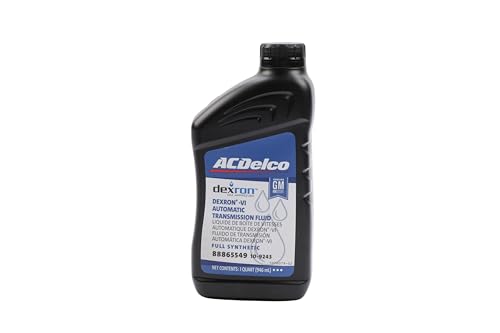
Backward compatible with previous Dexron automatic transmission fluids and can be used as a much-improved replacement for older vehicles/transmissions originally using previous Dexron fluids
What Is Transmission Fluid?
Transmission fluid is a specialized lubricant used in automatic and manual transmissions. It serves multiple purposes, including reducing friction between gears, cleaning internal components, and preventing overheating. The fluid comes in various formulations, such as Dexron, Mercon, and CVT fluid, each designed for specific transmission types.
Importance of Transmission Fluid
Maintaining proper transmission fluid levels is essential for vehicle performance. Here are several key aspects:
- Lubrication: Transmission fluid minimizes friction between gears and components, ensuring smooth operation and extending the lifespan of the transmission.
- Cooling: The fluid absorbs heat generated by the moving parts. Proper cooling prevents overheating, preserving the transmission integrity.
- Cleaning: Transmission fluid contains detergents that help remove debris and contaminants, keeping the transmission interior clean and efficient.
- Hydraulic Function: In an automatic transmission, the fluid acts as a hydraulic medium, enabling shifts between gears through pressure changes.
Regular checks and periodic changes of transmission fluid safeguard your vehicle’s transmission health, improving overall reliability and performance.
Key Differences Between Transfer Case Oil and Transmission Fluid
Understanding the differences between transfer case oil and transmission fluid can help you maintain your vehicle’s performance. Each fluid serves a unique purpose in your vehicle’s drivetrain.
Recommended Products

Extreme pressure additives deliver outstanding high pressure performance, load carrying capacity and durability for towing and hauling

Tested and approved by Toyota

FlexFill squeezable pouch releases 2X more fluid with less effort for 3X faster filling vs. traditional bottle packaging
Composition and Properties
Transfer case oil typically contains specific additives designed to withstand high temperatures and pressures in a four-wheel-drive system. It often has a thicker consistency than transmission fluid, enhancing its ability to lubricate gears and bearings inside the transfer case. Common formulations include synthetic and conventional oils.
Transmission fluid, on the other hand, features a lighter viscosity. It contains detergents and additives that keep transmission components clean and cool. The varying formulations of transmission fluid cater to different types of transmissions, such as automatic and manual.
Function and Purpose
Transfer case oil functions primarily to lubricate the gears and components that distribute power to all four wheels. It plays a critical role in enhancing performance in off-road conditions and preventing wear on the transfer case parts.
Transmission fluid serves multiple roles: it lubricates moving parts, cools transmission components, and enables smooth gear shifts. It also assists in hydraulic operations within automatic transmissions. Regular checks and changes of both fluids help ensure optimal vehicle performance.
Similarities Between Transfer Case Oil and Transmission Fluid
Transfer case oil and transmission fluid share several key characteristics essential for vehicle operation. Both fluids are critical for lubrication and help maintain optimal functionality in their respective systems.
Applications in Vehicles
Both transfer case oil and transmission fluid serve vital roles in ensuring power transfer and smooth operation in vehicles. Transfer case oil is found in four-wheel-drive and all-wheel-drive systems, enabling efficient power distribution to the wheels. Transmission fluid, meanwhile, is present in both automatic and manual transmissions, aiding in lubrication and thermal regulation. Vehicles with automatic transmissions rely on transmission fluid for the hydraulic pressure necessary to shift gears, while those with manual transmissions use it primarily for lubrication.
Common Myths
Several myths surround transfer case oil and transmission fluid that can lead to confusion. One common misconception is that all automotive fluids are interchangeable. In reality, transfer case oil and transmission fluid are formulated differently for specific functions—transfer case oil is typically thicker, while transmission fluid is lighter and contains detergents for cleaning components. Another myth suggests that both fluids require the same maintenance schedule. However, the intervals vary based on the vehicle’s make and model, so check the owner’s manual for accurate recommendations.
Conclusion
Understanding the differences between transfer case oil and transmission fluid is key for keeping your vehicle running smoothly. While they serve distinct purposes in your drivetrain their roles are equally important.
Regular maintenance of both fluids can help you avoid costly repairs and ensure your vehicle performs at its best. Always check your owner’s manual for specific recommendations and don’t hesitate to consult a professional if you’re unsure about your vehicle’s needs. Taking care of these fluids means you’re taking care of your ride.
Frequently Asked Questions
What is transfer case oil used for?
Transfer case oil is essential for lubricating the gears in four-wheel-drive and all-wheel-drive vehicles. It ensures smooth power distribution among the wheels, handling high temperatures and pressures effectively to prevent wear and tear on components.
How does transmission fluid differ from transfer case oil?
Transmission fluid has a lighter viscosity and contains cleaning detergents, enabling smooth gear shifts and overall system operation. In contrast, transfer case oil is thicker and designed to handle the extreme conditions present in the transfer case.
Can I use transmission fluid in place of transfer case oil?
No, it’s not recommended. Transfer case oil and transmission fluid serve different purposes and have different properties. Using one in place of the other can lead to overheating and damage to your vehicle’s components.
How often should I change transfer case oil and transmission fluid?
The frequency of fluid changes varies by vehicle make and model, but generally, it’s advisable to check and change these fluids every 30,000 to 60,000 miles. Always refer to your owner’s manual for specific recommendations.
What are the signs of low transfer case oil or transmission fluid?
Signs include unusual noises when shifting gears, difficulty shifting, or warning lights on the dashboard. Low fluid levels can lead to poor performance or complete failure of the transfer case or transmission system. Regular checks are essential.
Is regular maintenance of these fluids really that important?
Yes, regular maintenance helps extend the lifespan of your vehicle’s components, prevents overheating, and enhances overall performance. Keeping these fluids at proper levels is crucial for reliable and safe vehicle operation.
