

Ever wondered if transfer case fluid is the same as transmission fluid? You’re not alone. Many vehicle owners face this confusion, especially when it comes to maintenance and repairs. Both fluids play crucial roles in your vehicle’s performance, but they serve different purposes.
Imagine you’re getting ready for a road trip, and you realize it’s time for an oil change. You might be tempted to overlook the transfer case fluid, but doing so could lead to bigger issues down the road. This article will help you understand the differences between these fluids and why it matters for your vehicle’s health. By the end, you’ll feel more confident about your car care choices.
Key Takeaways
- Distinct Roles: Transfer case fluid is specifically designed for the transfer case, while transmission fluid serves the transmission. Both are vital for your vehicle’s performance but have different functions.
- Viscosity Differences: Transfer case fluid typically has a higher viscosity to withstand higher temperatures and pressures, whereas transmission fluid is formulated for smoother gear shifts.
- Regular Maintenance: Consistently checking and replacing both transfer case and transmission fluids according to manufacturer recommendations is crucial for preventing damage and ensuring longevity.
- Signs of Trouble: Unusual sounds, poor shifting, or discolored fluid indicate that it may be time to change the transfer case fluid.
- Proper Fluid Use: Always use the correct type of fluid to avoid significant damage to your vehicle’s drivetrain, as using the wrong fluid can lead to slippage or failure.
- Proactive Care: Regularly inspect fluid levels, look for leaks, and maintain the right fluid type to enhance overall vehicle performance and safety.
Understanding Transfer Case Fluid
Transfer case fluid is crucial for the smooth operation of your vehicle’s drivetrain. It aids in transferring power from the transmission to the front and rear axles. Understanding this fluid is essential for vehicle maintenance.
Recommended Products

Full-synthetic transfer case fluid for on-demand and full-time AWD/4x4 systems across European, Asian and US OEMs. Applications include Porsche Cayenne/Macan, BMW xDrive, Audi Quattro, Land Rover/Range Rover, Nissan, Mercedes-Benz 4MATIC (MB 239.41 Torque-on-Demand), Genesis/Kia TF-0870B (G70, G80, G90, Stinger AWD).

Specifically approved for use in GM automatic four-wheel drive vehicles with transfer cases

What Is Transfer Case Fluid?
Transfer case fluid is a specialized lubricant designed for the transfer case, which splits power between different axles in all-wheel drive (AWD) and four-wheel drive (4WD) systems. This fluid typically has a different formulation than transmission fluid, as it caters to the unique requirements of managing torque and protecting gears within the transfer case. Common types of transfer case fluids include Multi-Vehicle ATF, GL-4 or GL-5 gear oil, and specific fluids recommended by certain manufacturers.
The Purpose of Transfer Case Fluid
Transfer case fluid serves multiple purposes essential for vehicle performance:
- Lubrication: The fluid reduces friction between gears, preventing wear and tear.
- Heat Dissipation: It absorbs and dissipates heat generated during operation to maintain optimal temperatures.
- Protection: The fluid forms a protective barrier against contaminants, ensuring the internal components remain clean.
- Power Distribution: It helps in evenly distributing power to different wheels, which enhances traction and stability.
Regularly checking and replacing transfer case fluid contributes to the longevity of your drivetrain. Following the manufacturer’s recommendations for fluid type and change intervals ensures that your vehicle operates smoothly.
Transfer Case Fluid vs. Transmission Fluid
Transfer case fluid and transmission fluid serve distinct yet vital roles in a vehicle’s drivetrain system. Understanding their differences and similarities is essential for maintaining optimal vehicle performance.
Recommended Products

COMPATIBILITY – Fits 2003-2006 Cadillac Escalade ESV; 2007-2014 Cadillac Escalade ESV; 2007-2007 Cadillac Escalade ESV; 2008-2014 Cadillac Escalade ESV; 2010-2014 Cadillac Escalade ESV; 2002-2002 Cadillac Escalade EXT; 2003-2006 Cadillac Escalade EXT; 200

2-PACK – 2 LITERS TOTAL Includes two 1-liter bottles of GM Transfer Case Auto Fluid, Part Number 19540587, providing 2 liters of fluid total.

【Multiple Applications】This transmission fluid pump fits standard quart bottles come with 28mm bottle cap,with an 8cc per pump stroke capacity,Suitable for dozens of uses including oil changes,siphoning gasoline,and transferring a wide range of fluids such as engine oil, biodiesel, kerosene, or shampoo,detergent.
Key Differences
- Purpose: Transfer case fluid lubricates components within the transfer case, allowing for smooth power transfer to the axles. Transmission fluid, on the other hand, lubricates the components within the transmission and aids in gear shifting.
- Viscosity: Transfer case fluid typically has a higher viscosity index, which helps withstand higher temperatures and pressures. Transmission fluid tends to have a lower viscosity to facilitate smooth shifting.
- Formulation: Transfer case fluid often includes additives for better wear protection and thermal stability. Transmission fluid contains friction modifiers and detergents to enhance performance and cleanliness.
- System Use: Transfer case fluid is used in all-wheel drive (AWD) and four-wheel drive (4WD) systems. Transmission fluid is crucial in automatic and manual transmission systems.
- Lubrication: Both fluids provide lubrication to reduce friction between moving parts, minimizing wear and extending component life.
- Heat Management: Each fluid dissipates heat generated during operation. Proper heat management is vital for preventing overheating and maintaining performance.
- Fluid Changes: Regular fluid changes for both transfer case and transmission fluids are necessary to ensure longevity and efficiency. Checking manufacturer recommendations helps pinpoint service intervals.
- Contaminant Protection: Both fluids protect against contaminants, ensuring cleaner operation of drivetrain components and extending their lifespan.
Importance of Proper Fluid in Vehicle Maintenance
Using the correct fluid in your vehicle’s drivetrain is vital for optimal performance. Transfer case fluid and transmission fluid serve different roles, and choosing the right one ensures the longevity of your vehicle.
Effects of Using Incorrect Fluids
Using the wrong fluid can lead to severe consequences. Inadequate lubrication can cause gears to wear down. Overheating may occur, as fluids designed for one system lack the properties needed for another. For example, introducing transmission fluid into a transfer case can lead to slippage or even complete failure. Regularly checking fluid compatibility avoids damaging your drivetrain.
How to Check Fluid Levels
To ensure fluids are at optimal levels, follow these steps:
- Find the Right Dipstick: Locate the transmission dipstick for transmission fluid and the transfer case fill plug for transfer case fluid.
- Check Levels: For transmission fluid, pull out the dipstick, wipe it clean, and reinsert it. Remove it again to check the level. For transfer case fluid, remove the fill plug and use a finger to feel for fluid. It should be close to the fill hole.
- Assess Condition: Inspect the fluid’s color and smell. Fresh transmission fluid is red and has a slightly sweet scent, while transfer case fluid ranges from clear to brown, depending on the type.
- Add Fluid if Necessary: If levels are low, add the correct type of fluid until it reaches the appropriate level.
Consistently checking and maintaining proper fluid levels will enhance your vehicle’s performance and safety.
When to Change Transfer Case Fluid
Changing transfer case fluid maintains smooth operation and extends the life of your drivetrain system. Here’s when to consider changing it:
Recommended Products

Efficient Pumping: This fluid transfer pump comes with two different height suction tubes for quart bottles of different heights, making it easy to reach the bottom of the bottle. Easily control the amount of fluid pumped out without worrying about overfilling, making oil change operations easier on boats and vehicles.
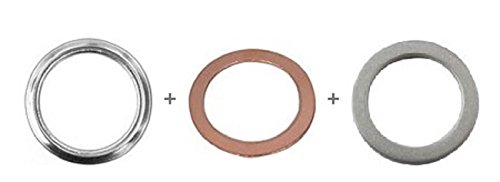
GENUINE TOYOTA GASKET KIT

[High-quality Materials] The lower gear oil pump is made of high-quality materials, which is durable and ensures fast and precise refilling of lubricating oil for the lower device of the marine engine, and is easy to use.
Recommended Mileage Intervals
- Every 30,000 to 50,000 miles: This is a common recommendation for many vehicles. Check your owner’s manual for specific guidelines.
- Off-Road Use: If you frequently drive off-road, consider changing the fluid more often, such as every 15,000 to 30,000 miles.
Signs That Fluid Needs Changing
- Unusual Sounds: Grinding or clunking noises during shifting may indicate low or dirty fluid.
- Poor Shifting: If you notice hesitation or difficulty while shifting, it’s time to check the fluid condition.
- Fluid Color: Transfer case fluid should appear clean and clear. If it looks dark, dirty, or has a burnt smell, change it.
- Check Fluid Levels Regularly: Inspect the fluid level at consistent intervals, ideally during oil changes.
- Inspect for Leaks: Look for signs of leaks under your vehicle. Addressing leaks sooner prevents fluid loss and potential damage.
- Use the Correct Fluid: Always use the recommended fluid type for your specific vehicle model to ensure proper function and protection.
Regular maintenance of transfer case fluid not only enhances performance but also safeguards other components in your drivetrain system. Stay proactive about fluid changes to keep your vehicle running smoothly.
Conclusion
Taking care of your vehicle’s transfer case and transmission fluids is essential for keeping everything running smoothly. Using the right fluids not only prevents costly damage but also helps your drivetrain perform at its best. Regularly checking fluid levels and being attentive to any signs of wear can save you from bigger issues down the road.
Remember to stick to the manufacturer’s recommendations for fluid types and change intervals. By staying on top of your maintenance routine you’ll ensure your vehicle remains reliable and efficient for years to come. So take a moment to check those fluids and keep your ride in top shape.
Frequently Asked Questions
What is the difference between transfer case fluid and transmission fluid?
The transfer case fluid lubricates the transfer case, which directs power to the front and rear wheels in four-wheel-drive vehicles. In contrast, transmission fluid lubricates the transmission system, which manages gear shifts. Each fluid serves a distinct purpose, and using the correct type is essential for vehicle performance.
Why is it important to use the correct transfer case fluid?
Using the incorrect transfer case fluid can lead to gear wear, overheating, and potential damage to the drivetrain system. It’s crucial for ensuring optimal performance and longevity of your vehicle’s components.
How often should I check my transfer case fluid levels?
It’s advisable to check your transfer case fluid levels regularly, ideally during routine maintenance intervals—every 30,000 to 50,000 miles, or more frequently based on driving conditions.
What are signs that I need to change my transfer case fluid?
Indications for a fluid change include unusual noises from the transfer case, difficulty shifting gears, overheating, and a warning light on the dashboard. If you notice any of these signs, it’s best to check the fluid condition and level.
How do I check the fluid levels for transfer case and transmission fluids?
To check fluid levels, locate the dipstick or fill plug on both the transfer case and transmission. Remove the dipstick, wipe it clean, reinsert, and check the level against the markings. For the transfer case, fluid should be level with the bottom of the fill plug.
What should I do if my fluid levels are low?
If fluid levels are low, locate the correct type of fluid for your vehicle make and model. Add fluid gradually until reaching the appropriate level, but be careful not to overfill, as this can cause leaks and other issues.
How often should I change transfer case fluid?
Transfer case fluid should typically be changed every 30,000 to 50,000 miles, depending on driving habits and manufacturer recommendations. Regular changes help maintain optimal performance and prevent issues.
Can using the wrong transmission fluid damage my vehicle?
Yes, using the wrong transmission fluid can lead to serious damage, including slipping gears, overheating, and ultimately failure of the transmission. Always refer to your vehicle’s manual for the correct type.
