

Have you ever found yourself struggling to keep your rear windshield clean during a downpour? It’s frustrating when your wipers smear dirt instead of clearing your view. You might be wondering if your vehicle has a rear washer fluid reservoir to tackle this issue effectively.
Key Takeaways
- Function of Rear Washer Fluid Reservoir: A rear washer fluid reservoir is essential for maintaining clear visibility by cleansing the rear windshield, especially in adverse weather conditions.
- Variability Among Vehicles: Not all vehicles are equipped with a rear washer fluid reservoir; some may only have front systems. It’s important to check the owner’s manual for specific details.
- Regular Maintenance is Crucial: Consistently checking fluid levels and inspecting for clogs or leaks helps maintain the effectiveness of the rear washer system and prevents potential pump damage.
- Differences Between Front and Rear Reservoirs: Front washer reservoirs generally hold more fluid due to increased usage, while rear reservoirs are typically smaller and often combined with the front in modern vehicles.
- Using the Right Washer Fluid: Selecting appropriate washer fluid for seasonal conditions improves performance; de-icing formulas are ideal for winter while summer solutions combat grime effectively.
- Identify Issues Promptly: If the rear washer system fails, inspecting the pump for electrical issues or debris can help address problems quickly and ensure optimal performance.
Overview Of Washer Fluid Reservoirs
Washer fluid reservoirs are essential components for vehicle maintenance, ensuring you maintain clear visibility. Understanding the types of reservoirs helps you manage fluid levels effectively.
Recommended Products

Fitment Work well with most 12V cars with enough size to fit this washer pump. Universal car KEMIMOTO windshield washer is designed to fit most Car UTV ATVs boats and so on

Compatible with Chevy: For Chevry Camaro 2010-2021, Equinox 2010-2020, Cruze Volt 2011-2016, Sonic 2012-2020, Malibu 2013-2021, Corvette 2014-2021, Impala 2014-2020, Silverado 1500 14-16 18-20, Colorado 2015-2021, Silverado 2500HD 15-16 18-21, Silverado 3500HD 15-16 18-21, Suburban Tahoe 15-20, Trax 2015-2021, Spark 16-21 washer fluid reservoir cap
Front Washer Fluid Reservoir
The front washer fluid reservoir typically holds a larger volume of fluid, providing ample supply for windshield cleaning. Most vehicles feature a dedicated compartment under the hood, usually marked with a windshield symbol. You can easily access this reservoir to refill it, generally requiring a normal washer fluid solution. Checking fluid levels regularly helps prevent streaks and smudges during rain or snow.
Rear Washer Fluid Reservoir
The rear washer fluid reservoir’s design varies by vehicle but generally shares the same function: keeping your rear windshield clean. Some vehicles combine the front and rear reservoirs into one, while others have a separate tank for rear washer fluid. If your vehicle has a dedicated rear reservoir, it may be located in the trunk or under the rear hatch. Periodically check this reservoir to ensure proper functionality and maintain clear visibility in harsh weather conditions.
Importance Of Rear Washer Fluid Reservoir
A rear washer fluid reservoir plays a crucial role in maintaining clear visibility while driving. Keeping your rear windshield clean prevents distractions and enhances safety.
Recommended Products
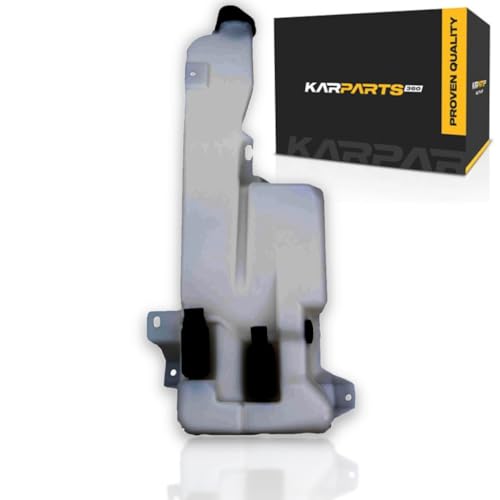
Part: Windshield Washer Tank Assembly

[Vehicle Fitment-1]: Compatible with Cadillac DeVille 1996-1999, Eldorado 1996-2000, Seville 1996-1997; Compatible with Chevrolet Colorado 2008-2012, fit for Corvette 1992-1996, Express 1500 1996, Express 2500 1996, Express 3500 1996, G10 1992-1995, G20 1992-1995, G30 1992-1996; Compatible with Buick Century 1994-1996 (Rear Windshield; Sedan), Century 1998 (1st Design; Inlet at 90 Degree to Pump), Park Avenue 1997-2005, Regal 1998 (1st Design; Inlet at 90 Degree to Pump)
Visibility And Safety
Clear visibility is essential for safe driving. When dirt, grime, or rain accumulates on the rear windshield, it obstructs your view. A properly functioning rear washer fluid reservoir helps remove debris. It ensures you can see clearly in adverse weather conditions. For example, using washer fluid before backing out of a parking space enhances your awareness of surroundings.
Maintenance Benefits
Regular maintenance of the rear washer fluid reservoir promotes vehicle longevity. Checking fluid levels helps prevent pump failure due to low fluid. Refilling the reservoir with an appropriate washer fluid improves cleaning effectiveness. An easy way to maintain optimal performance is to inspect the system for clogs or leaks. Clean washer nozzles ensure proper fluid distribution and reliable operation.
Common Myths About Rear Washer Fluid Reservoirs
Understanding rear washer fluid reservoirs often involves debunking some common myths. Get ready to clarify misconceptions about these essential vehicle components.
Misconceptions
- Myth: All Vehicles Have Rear Washer Fluid Reservoirs
Not all vehicles feature rear washer fluid reservoirs. Many compact cars and older models only have front washer systems. Check your owner’s manual to confirm if your vehicle is equipped with a rear reservoir. - Myth: Rear Washer Fluid Reservoirs Are the Same as Front Ones
Size and accessibility differ. Typically, front reservoirs hold more fluid since they serve both headlights and windshield cleaning needs. Conversely, rear reservoirs are often smaller due to less frequent usage. - Myth: Washer Fluid Will Work Even If the Reservoir Is Empty
Running the system dry can damage the pump. Fluid levels should be checked regularly to ensure proper functionality.
- Fact: Regular Maintenance Keeps Rear Reservoirs Effective
Regularly inspect your rear washer fluid reservoir for clogs or leaks. Maintaining fluid levels ensures clear visibility during driving. - Fact: Different Fluids Work for Different Conditions
Using the right washer fluid is crucial. For winter driving, opt for de-icing formulas. In summer, choose fluids that combat grime and dirt effectively. - Fact: Many Modern Vehicles Feature Dual-Function Reservoirs
Some vehicles come equipped with reservoirs that supply both front and rear systems. This design simplifies maintenance and enhances convenience for drivers. - Fact: Faulty Pumps Affect Performance
If your rear washer system isn’t working, inspect the pump. Pump failure can stem from debris in the reservoir or electrical issues. Address these promptly for optimal performance.
How To Check For A Rear Washer Fluid Reservoir
Checking for a rear washer fluid reservoir is straightforward. You need to locate it first and then inspect the fluid level to ensure it’s functioning properly.
Recommended Products

Fitment: Replacement for Cadillac CTS 2008-2021, XTS 2013-2021, SRX 2010-2021, ATS 2013-2021, ELR 2014-2021, Escalade 2015-2021, CT6 2016-2021, XT5 2017-2021, XT4 2019-2021, CT4 CT5 2020-2021, SAAB 9-5 1999-211 SAAB 9-3 1999-2011 SAAB 9-4X 2011

This washer motor pump is only compatible with Flat Pins Electrical Connection. Please see the images to correctly match the electric connector before ordering.
Locating The Reservoir
- Refer to the Owner’s Manual: Your vehicle’s manual provides specific details on the washer fluid reservoir’s location, including diagrams.
- Open the Hood: In most vehicles, the front washer fluid reservoir is visible under the hood. The rear reservoir’s location may vary.
- Look for a Separate Compartment: If your vehicle features a rear washer, it may have a compartment specifically for it, often near the back or side of the trunk.
- Examine the Trunk Area: Some cars house the rear reservoir in the trunk or cargo space, near the spare tire or side panels.
- Remove the Cap: Safely detach the cap from the reservoir to check fluid levels. Some caps are clearly marked, while others may show a washer fluid symbol.
- Visual Inspection: Look inside to see the fluid level. If you see fluid close to the fill line, it’s good. If not, add more fluid.
- Check for Debris: Inspect the reservoir for any dirt or clogs that can affect fluid flow. Clear any blockages if necessary.
- Top Off When Low: Use the appropriate washer fluid for your conditions. Pour until the level reaches the indicated fill line, avoiding overfilling.
Regular checks ensure your rear washer system works effectively, providing clear visibility when needed.
Conclusion
Keeping your rear washer fluid reservoir in top shape is key to safe driving. With the right maintenance and checks you can ensure clear visibility no matter the weather. By staying proactive about fluid levels and pump functionality you’ll enhance your overall driving experience. So go ahead and give your rear washer system some attention—it’s worth it for your peace of mind on the road.
Frequently Asked Questions
What is the purpose of a rear washer fluid reservoir?
The rear washer fluid reservoir helps maintain visibility during adverse weather conditions by providing fluid to clean the rear windshield. It ensures that dirt, rain, or snow doesn’t obstruct your view while driving.
How often should I check my rear washer fluid?
It’s recommended to check your rear washer fluid reservoir regularly, ideally every month or before long trips. This ensures you have sufficient fluid for optimal visibility in changing weather conditions.
How can I locate my rear washer fluid reservoir?
To locate your rear washer fluid reservoir, refer to your vehicle’s owner manual. Typically, it’s found in the engine bay, marked with a symbol that resembles a windshield with wipers.
What are common signs of a faulty rear washer pump?
Common signs of a faulty rear washer pump include weak or no spray from the rear nozzle, unusual noises when activated, or fluid leaks near the reservoir. These indicate the need for inspection or replacement.
Can I use any fluid in my rear washer reservoir?
No, it’s best to use washer fluid specifically designed for automotive use. Avoid using water or other liquids, as they may not effectively clean your windshield and can damage the system.
