

Have you ever found yourself with two different bottles of engine oil and wondered if mixing them is a good idea? You’re not alone. Many car owners face this dilemma, especially during a last-minute oil change or when they’re running low on their usual brand.
Understanding whether it’s safe to mix engine oils can save you from potential engine damage and costly repairs. This article will guide you through the ins and outs of engine oil compatibility, helping you make informed decisions for your vehicle. Whether you’re a seasoned mechanic or a weekend DIYer, you’ll find valuable insights that can keep your engine running smoothly.
Key Takeaways
- Engine Oil Types Matter: Understanding the differences between conventional, synthetic, synthetic blend, and high-mileage oils is essential for optimal engine performance.
- Viscosity Ratings: Choosing the correct viscosity, either single-grade or multi-grade, is crucial for ensuring proper lubrication under varying temperature conditions.
- Risks of Mixing Oils: Mixing different engine oils can lead to chemical reactions that compromise lubrication, leading to performance issues and potential engine damage.
- Additive Compatibility: Inputs from different oil brands can have unique formulations that may not mix well, potentially causing reduced effectiveness when combined.
- Regular Maintenance: Scheduled oil changes and using the right type of oil as per manufacturer recommendations will enhance engine longevity and performance.
- Avoid Mixing Oils: For consistent engine protection and performance, stick to one type and brand of engine oil without mixing different formulations.
Understanding Engine Oil
Engine oil plays a crucial role in maintaining your vehicle’s performance and longevity. Knowing which types to use and their properties helps prevent engine damage and ensures proper function.
Types of Engine Oil
- Conventional Oil: Made from refined crude oil. Best for standard engines and cars with low mileage. It’s cost-effective but less efficient in extreme conditions.
- Synthetic Oil: Created through chemical processes. Provides superior protection, better performance in extreme temperatures, and longer intervals between oil changes.
- Synthetic Blend Oil: A mix of conventional and synthetic oils. Offers enhanced protection and efficiency at a lower cost than full synthetic oil. Ideal for drivers wanting benefits without the premium price.
- High-Mileage Oil: Formulated for vehicles with over 75,000 miles. Contains additives that condition seals and reduce leaks, protecting older engines from wear.
Viscosity Ratings
Viscosity ratings indicate how well the oil flows at certain temperatures. It’s crucial to choose the right viscosity for optimal performance.
- Single-Grade Oil: Labeled with a number that refers to its viscosity at a specific temperature (e.g., SAE 30). Suitable for consistent temperature conditions, but not ideal for varying climates.
- Multi-Grade Oil: Features two viscosity ratings (e.g., 5W-30). The first number represents the oil’s flow in cold temperatures, while the second reflects its flow at high temperatures. This versatility makes it suitable for diverse driving conditions.
- Understanding the API Rating: The American Petroleum Institute (API) provides ratings (e.g., SN, SM) indicating the oil’s performance level. Higher ratings suggest improved performance and protection features.
Choosing the right type and viscosity of engine oil enhances your vehicle’s efficiency and lifespan. Always refer to your owner’s manual for manufacturer recommendations.
Risks of Mixing Engine Oil
Mixing engine oil poses several risks that can affect engine performance and reliability. Understanding these risks highlights the importance of using the correct oil types.
Recommended Products

Designed for use with all 4-stroke marine outboard motors and inboard and sterndrive engines

Full synthetic 15W-40 diesel engine oil with Triple Protection Plus technology protects against wear, deposits, and oil breakdown

Complete OEM Compatibility: Compatible with Honda, Kawasaki, Yamaha, Bombardier, Arctic Cat, Can-Am, Polaris, Argo, Linhai, Suzuki, and many others
Chemical Reactions
Mixing different engine oils can lead to chemical reactions that alter the oils’ properties. Such reactions might reduce the oil’s effectiveness in lubricating engine parts. For example, combining synthetic oil with conventional oil may create sludge or lead to oil breakdown. The additives in each oil may not work well together, resulting in reduced performance. Always check for compatibility before mixing any oils to avoid these harmful reactions.
Performance Issues
Mixing engine oils can cause performance issues, including decreased engine protection and increased wear on critical components. When oil types aren’t compatible, viscosity may change, leading to inadequate lubrication. Under high temperatures, this can cause overheating or even engine failure. For instance, a mixed oil with mismatched viscosity ratings may not flow properly during cold starts, increasing friction among moving parts. Stick to one type and brand of engine oil for optimal performance and reliability.
Factors to Consider Before Mixing
Mixing engine oils can impact your vehicle’s performance. It’s crucial to understand several factors before attempting to blend different oils.
Recommended Products
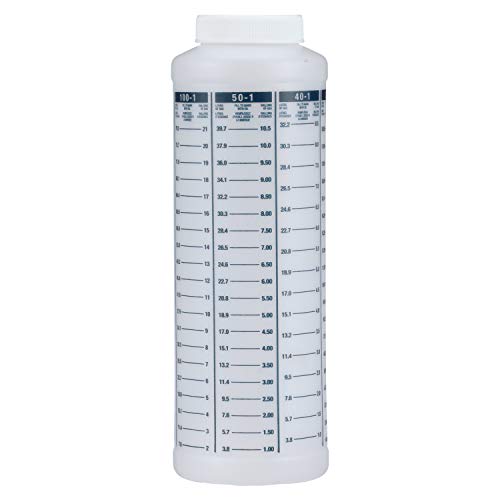
PRECISE MIXING MADE EASY: Clearly marked measurements help create accurate fuel-to-oil ratios for two-stroke engines

Protect the engine in your high-mileage vehicle with STP High Mileage Oil Treatment + Stop Leak. Formulated especially for vehicles with over 75,000 miles, this high-viscosity engine additive includes ZDDP oil additive as an anti-wear agent for protection. This STP oil treatment creates a thick cushion between moving engine parts to help fight metal-to-metal friction. Engine stop leak helps to rejuvenate seals and gaskets and stop engine leaks, noise and smoking to improve performance. Add to engine oil with each oil change during car maintenance. It's suitable for cars, light trucks and SUVs.

Reduces oil consumption via the piston rings and valve guides
Oil Brand Differences
Different oil brands often use unique formulations and proprietary additives. Mixing oils from distinct brands can lead to unpredictable results. For example, one brand may include additives for cleaning while another focuses on wear protection. These differences may cause clashing chemical properties, leading to reduced effectiveness. Sticking to the same brand simplifies compatibility and ensures a consistent protective layer for your engine.
Additive Compatibility
Additive compatibility plays a significant role when mixing engine oils. Each oil contains specific additives designed to enhance performance, such as detergents, antioxidants, or anti-wear agents. Combining oils with incompatible additives can result in chemical reactions, potentially negating their intended benefits. For instance, mixing oils with different viscosity improvers can alter the final oil’s viscosity, impairing its ability to protect engine parts. Always check the additive package of each oil, confirming compatibility, to avoid performance issues.
Best Practices for Engine Oil Maintenance
Maintaining your engine oil is crucial for the longevity and performance of your vehicle. Implement these best practices for optimal results.
Recommended Products

HOURS ---- Keep track the run time(TOT) and hours per trip(JOB) of gas engine; Perform the regular maintenance tasks(eg.air filter and oil change) to determine when the time is due;TOT and JOB hours range: 0-999,999 hours,Maintenance time range: 0-1000 hours.

Multiple Application: Adhere smoothly to windshields, engine bays, or dashboards. Removes cleanly without residue (even after extreme temperatures), protecting your vehicle’s surface.

"Next service due" is a reminder that annual calibration and preventive maintenance is due.
Regular Oil Changes
Changing your oil regularly prevents the build-up of sludge and contaminants. Aim for an oil change every 3,000 to 5,000 miles, or follow your vehicle manufacturer’s recommendations. Use a reminder app or set calendar alerts to stay on track. Additionally, check your oil level monthly. If the oil appears dark or gritty, consider changing it sooner.
Choosing the Right Oil
Selecting the right oil ensures your engine operates smoothly. Always refer to your owner’s manual for specifications on oil viscosity and API ratings. Stick to oils from reputable brands to ensure quality. Consider your driving habits; if you drive under severe conditions, such as extreme temperatures or heavy towing, choose high-mileage or synthetic oils for better protection. Avoid mixing oils from different brands or types to maintain consistent performance and prevent chemical reactions that could harm your engine.
Conclusion
Mixing engine oils can lead to more problems than benefits. It’s best to stick to one type of oil that meets your vehicle’s specifications. By choosing the right oil and following a regular maintenance schedule you’ll keep your engine running smoothly and efficiently.
Remember that your engine deserves the best care possible. So always prioritize quality and compatibility when it comes to engine oil. With a little attention and the right choices you can ensure your vehicle stays in top shape for years to come.
Frequently Asked Questions
What are the different types of engine oils?
Engine oils typically include conventional, synthetic, synthetic blend, and high-mileage oils. Conventional oils are derived from crude oil, while synthetic oils are man-made for better performance. Synthetic blends combine both types for a balance of benefits. High-mileage oils offer special additives for vehicles with over 75,000 miles to help reduce wear and leakages.
Why is oil viscosity important?
Oil viscosity refers to how easily oil flows at different temperatures. It affects lubrication effectiveness and engine performance. Choosing the correct viscosity ensures optimal engine protection and efficiency, preventing issues like excessive wear or reduced fuel economy.
What are API ratings, and why do they matter?
API ratings indicate the performance and quality of engine oils as approved by the American Petroleum Institute. They help consumers choose the right oil for their vehicles, ensuring it meets specific standards for protection and efficiency. Always refer to your vehicle’s owner manual for the recommended API rating.
What risks are associated with mixing different oil types?
Mixing different oil types can lead to decreased engine protection and increased wear on critical components. The chemical composition may not be compatible, affecting the oil’s performance and potentially leading to engine damage over time.
How often should I change my engine oil?
It is recommended to change your engine oil every 3,000 to 5,000 miles, though this can vary based on driving conditions and oil type. Regular maintenance helps maintain engine performance and longevity. Always consult your owner’s manual for specific recommendations.
Can I mix oils from different brands?
It is advised to avoid mixing oils from different brands or types. Differences in additives and formulations can lead to harmful chemical reactions, reducing the effectiveness of the oil and potentially causing engine problems.
How do I choose the right oil for my vehicle?
Select the right engine oil based on your vehicle’s owner manual specifications. Consider factors like oil type, viscosity, and API ratings. Additionally, consider your driving habits and choose reputable brands for optimal performance and engine longevity.
What are best practices for engine oil maintenance?
Best practices include regular oil changes, using the oil type specified in your owner’s manual, and avoiding mixing different oils. Sticking to established brands and considering your driving conditions help ensure consistent engine performance and protection.
