

Do you know if DOT 5 brake fluid is hygroscopic? Imagine this: you’re cruising down the road, enjoying the drive when suddenly, your brakes feel spongy. Could moisture in your brake fluid be the culprit? In this article, we’ll explore whether DOT 5 brake fluid has hygroscopic properties that could affect your vehicle’s braking performance.
Understanding the hygroscopic nature of brake fluids is crucial for maintaining your car’s safety and performance. By delving into whether DOT 5 brake fluid attracts moisture, you’ll gain valuable insights into how to care for your vehicle’s braking system. Stay tuned to learn more about how this characteristic can impact your driving experience.
Key Takeaways
- DOT 5 brake fluid is silicone-based and non-hygroscopic, meaning it does not readily absorb water from the atmosphere.
- Understanding the distinctions between brake fluid types (DOT 3, DOT 4, and DOT 5) is crucial for maintaining optimal braking performance.
- Switching to DOT 5 brake fluid requires thorough system flushing to prevent potential issues with pre-existing water in the braking system.
- Benefits of using DOT 5 include enhanced performance in varying temperatures and reduced maintenance needs due to its non-hygroscopic properties.
Understanding Brake Fluid Types
When it comes to brake fluid, understanding the different types available is crucial for maintaining your vehicle’s braking system. Let’s delve into the distinctions between DOT 3, DOT 4, and DOT 5 brake fluids to grasp their unique properties.
Recommended Products
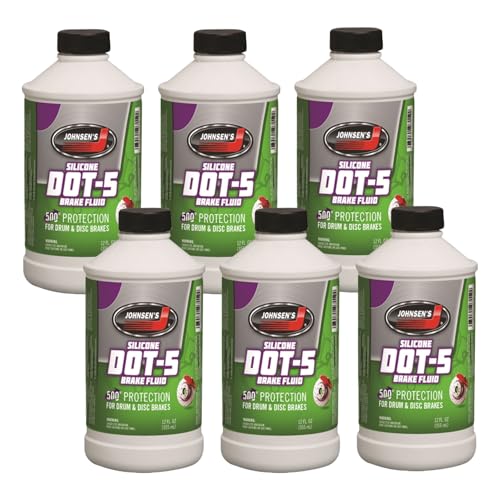
Specially formulated hydraulic brake fluid that provides superior benefits
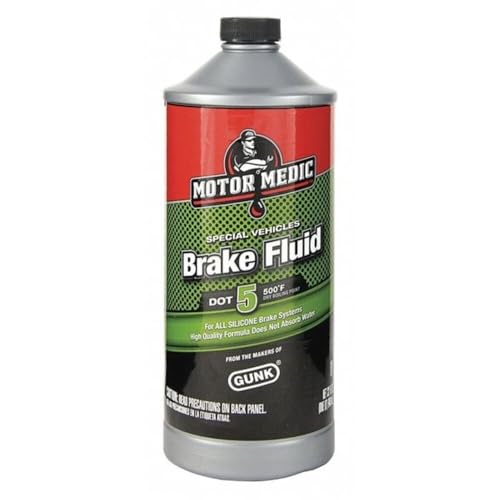
The products, developed by the people who use them, has earned the trust of hard-working tradesmen and the active DIY through consistent, superior performance and a commitment to innovation

Specially formulated hydraulic brake fluid that provides superior benefits
DOT 3, DOT 4, and DOT 5: What’s the Difference?
- DOT 3 Brake Fluid: This type of brake fluid is glycol-based and commonly used in many vehicles. It has a lower boiling point compared to higher-grade fluids like DOT 4 and DOT 5.
- DOT 4 Brake Fluid: Offering a higher boiling point than DOT 3, this fluid is also glycol-based but contains borate esters for enhanced performance under extreme conditions.
- DOT 5 Brake Fluid: Unlike its glycol-based counterparts, DOT 5 brake fluid is silicone-based. It doesn’t absorb moisture as readily as glycol-based fluids but can be incompatible with certain systems due to its different chemical composition.
- Hygroscopic Nature: Both DOT 3 and DOT 4 brake fluids are hygroscopic, meaning they absorb moisture over time. This moisture can lead to decreased braking efficiency and potential corrosion within the braking system.
- Non-Hygroscopic Feature of DOT 5: In contrast, DOT 5 silicone-based brake fluid is non-hygroscopic, making it less prone to water absorption. However, any existing water in the system may separate from the silicone fluid, potentially causing issues if not addressed promptly.
Understanding these distinctions among brake fluid types helps you make informed decisions about which one best suits your vehicle’s needs. Ensure you follow manufacturer recommendations when selecting and changing your brake fluid to maintain optimal braking performance.
Is DOT 5 Brake Fluid Hygroscopic?
When considering whether DOT 5 brake fluid is hygroscopic, it’s essential to understand the nature of hygroscopic substances and how DOT 5 compares to other brake fluids like DOT 3 and DOT 4.
Defining Hygroscopic Substances
Hygroscopic substances are materials that have a strong affinity for water molecules in the surrounding environment. These substances tend to absorb moisture from the air, which can impact their properties over time. In the case of brake fluids, being hygroscopic means they can absorb water vapor from the atmosphere, leading to potential issues with braking performance.
Comparison With Other Brake Fluids
DOT 3 and DOT 4 brake fluids are glycol-based formulations known for their hygroscopic nature. Over time, these fluids can absorb moisture from the air, causing them to become contaminated with water. This contamination can lower the boiling point of the fluid and increase the risk of corrosion within the braking system.
On the other hand, DOT 5 brake fluid is silicone-based and differs in its hygroscopic properties. Unlike glycol-based fluids, DOT 5 is non-hygroscopic, meaning it does not readily absorb water from the atmosphere. While this may seem advantageous at first glance, it’s important to note that if there is pre-existing water in the braking system when switching to DOT 5 fluid, this water could separate from the silicone fluid. This separation might necessitate thorough system flushing before using DOT 5 brake fluid effectively.
Understanding these distinctions between different types of brake fluids is crucial for maintaining optimal braking performance in your vehicle. It allows you to make informed decisions when selecting a suitable brake fluid that aligns with your vehicle’s requirements and ensures safe driving conditions on the road.
Benefits of Using DOT 5 Brake Fluid
When considering the benefits of using DOT 5 brake fluid, you’ll find that it offers advantages that can enhance your vehicle’s performance and reduce maintenance needs. Let’s delve into how DOT 5 brake fluid provides these advantages:
Recommended Products

High performance brake and clutch fluid designed to lubricate and protect critical brake system componentry while providing reliable stopping power

Mixes well with conventional fluids
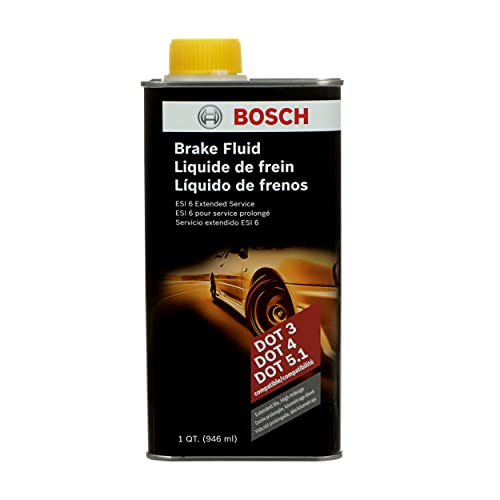
[NEXT GENERATION FLUID] - Bosch ESI6 is a next generation brake fluid designed for today's modern braking systems and is the first fluid to simultaneously combine both low viscosity and high wet boiling point (365 Degrees Fahrenheit)
Enhanced Performance in Varying Temperatures
With DOT 5 brake fluid, you can experience improved performance across a range of temperatures. Unlike glycol-based fluids like DOT 3 and DOT 4, which are hygroscopic and may be prone to moisture absorption affecting their boiling point, DOT 5’s silicone-based composition maintains a more stable viscosity profile even under extreme temperature conditions. This stability ensures consistent braking performance, especially in demanding situations where temperature fluctuations can impact braking effectiveness.
Longevity and Maintenance Needs
One significant benefit of using DOT 5 brake fluid is its longevity and reduced maintenance requirements. Due to its non-hygroscopic nature, DOT 5 is less susceptible to water absorption compared to glycol-based counterparts. This characteristic helps extend the lifespan of your brake system components by minimizing corrosion and rust formation caused by water contamination. Additionally, the reduced water absorption means that DOT 5 brake fluid typically requires less frequent flushing or replacement intervals, saving you time and maintenance costs over the long term.
By understanding the benefits of using DOT 5 brake fluid such as enhanced performance in varying temperatures and reduced maintenance needs due to its non-hygroscopic properties, you can make an informed choice when selecting the right brake fluid for your vehicle.
Considerations Before Switching to DOT 5
When considering a switch to DOT 5 brake fluid, there are some essential factors you should take into account to ensure compatibility and optimal performance in your vehicle.
Recommended Products

The 356⁰F wet boil point and 500⁰F dry boil point exceeds common characteristics for DOT 5 brake fluids

High-Performance Brake Fluid for Modern Brake Systems: Motul DOT 5.1 Brake Fluid is engineered for modern hydraulic braking and clutch systems requiring high thermal stability, fast response, and reliable braking performance. Designed for vehicles equipped with ABS, ESP, ASR, and advanced electronic braking systems, it helps maintain consistent hydraulic operation under demanding driving conditions.

Provides an extra margin of safety in extreme braking conditions (packaging may vary)
Compatibility With Your Vehicle
Before making the switch to DOT 5 brake fluid, it’s crucial to check your vehicle’s manufacturer recommendations. While DOT 5 is compatible with most vehicles, some older models or those designed for glycol-based fluids may not be suitable for use with silicone-based DOT 5. Ensure that your vehicle’s braking system is compatible with DOT 5 to prevent any potential issues or damage.
Potential Issues in Mixed Fluid Systems
One key consideration when switching to DOT 5 brake fluid is the potential issues that may arise in mixed fluid systems. Mixing different types of brake fluids can lead to reduced effectiveness and compromise the overall performance of your braking system. It’s essential to completely flush out the existing fluid before transitioning to DOT 5 to avoid any compatibility issues or adverse reactions between different types of fluids.
By carefully assessing your vehicle’s compatibility and ensuring a thorough flush of the existing brake fluid, you can make a well-informed decision when switching to DOT 5 brake fluid, maintaining optimal braking performance and safety on the road.
Conclusion
Switching to DOT 5 brake fluid can offer you enhanced performance benefits and reduce maintenance requirements. Its non-hygroscopic nature provides consistent braking efficiency in various temperatures. Before making the switch, ensure compatibility with your vehicle and conduct a thorough flush of the existing brake fluid to prevent potential issues in mixed systems. By taking these precautions, you can enjoy improved braking performance and safety on the road with DOT 5 brake fluid.
Frequently Asked Questions
What are the differences between DOT 3, DOT 4, and DOT 5 brake fluids?
DOT 3 and DOT 4 are glycol-based and hygroscopic, while DOT 5 is silicone-based and non-hygroscopic.
How does moisture absorption affect braking efficiency in hygroscopic brake fluids?
Moisture absorption can lower the boiling point of brake fluid, leading to decreased braking performance under high temperatures.
What are the benefits of using DOT 5 brake fluid?
DOT 5 offers enhanced performance in varying temperatures and requires reduced maintenance due to its non-hygroscopic nature.
What should I consider before switching to DOT 5 brake fluid?
Ensure compatibility with your vehicle and conduct a thorough flush to avoid issues in mixed fluid systems.
