

Ever wondered about the potential risks brake fluid poses to your skin? Picture this: you’re working on your car, trying to fix a brake issue, and accidentally spill some brake fluid on your hands. What should you do next? Understanding the effects of brake fluid on your skin is crucial for your safety.
In this article, we’ll explore the impact of brake fluid exposure on your skin and provide essential tips on how to handle such situations effectively. By gaining insights into the potential dangers and learning how to protect yourself, you’ll be better equipped to navigate DIY car maintenance without putting your skin at risk. Let’s dive into the facts about brake fluid and its implications for your skin’s well-being.
Key Takeaways
- Brake fluid is a crucial component in a vehicle’s braking system, but it can be harmful to the skin upon contact.
- The composition of brake fluid varies based on its classification, such as DOT 3, DOT 4, and DOT 5.
- Immediate effects of brake fluid on the skin include irritation and burning sensations, while long-term exposure can lead to dermatitis or chemical burns.
- To protect your skin when handling brake fluid, always wear protective gloves, use appropriate tools, limit exposure time, and maintain good ventilation.
- In case of brake fluid contact with the skin, rinse the affected area with lukewarm water for at least 15 minutes and seek medical advice if severe symptoms persist.
Understanding Brake Fluid
Brake fluid is a crucial component in your vehicle’s braking system. It transmits the force from the brake pedal to the brake pads, allowing you to slow down or stop your car effectively. Understanding the properties and composition of brake fluid is essential for maintaining safety while handling it.
What Is Brake Fluid?
Brake fluid is a type of hydraulic fluid specifically designed for use in automotive brake systems. It operates under high temperatures and pressure to ensure smooth and reliable braking performance. Typically, glycol-based or silicone-based, brake fluids are classified into DOT 3, DOT 4, and DOT 5 categories based on their composition.
Composition of Brake Fluid
The composition of brake fluid varies depending on its classification:
- DOT 3: Contains glycol ethers and borate esters.
- DOT 4: Contains a blend of glycol ethers with a higher boiling point than DOT 3.
- DOT 5: Silicone-based, not compatible with other types due to its different chemical properties.
Understanding the composition of brake fluid helps you choose the right type for your vehicle and handle it safely during maintenance tasks.
How Brake Fluid Affects the Skin
When brake fluid comes into contact with your skin, it can have immediate effects and potentially lead to long-term skin damage. Here’s how brake fluid affects the skin in both the short and long term:
Recommended Products

Heavy-Duty Chemical Resistance: High-end nitrile gloves possess excellent chemical resistance, providing a tough barrier against harsh substances such as industrial solvents and cleaners, so you can handle lab work or heavy-duty tasks with confidence.

Large, 100 gloves per box: Includes 100 individual disposable gloves, equal to 50 pairs. Size Large with an ambidextrous design, so every glove fits either hand.

HEAVY-DUTY: Our 6-mil thick nitrile gloves are more chemical-resistant & puncture-resistant than latex gloves and vinyl gloves, providing enhanced hand protection against chemicals, liquids, greases, & sharp objects.
Immediate Effects on Contact
Brake fluid is corrosive and can cause irritation, redness, and burning sensations upon contact with your skin. The chemicals in brake fluid can penetrate your skin quickly, leading to discomfort or pain. It’s crucial to wash off any spilled or splashed brake fluid immediately with soap and water to minimize these immediate effects.
Long-term Skin Damage
Repeated exposure to brake fluid without proper protection can result in more severe issues such as dermatitis or chemical burns. Prolonged contact with brake fluid may lead to dryness, cracking of the skin, and even blistering over time. To prevent long-term skin damage, always wear protective gloves when handling brake fluid and ensure proper ventilation in work areas where brake maintenance is performed.
Protecting Your Skin from Brake Fluid
When working with brake fluid, it’s crucial to safeguard your skin against potential harm. Here are some essential practices and protective gear recommendations to minimize the risks:
Recommended Products

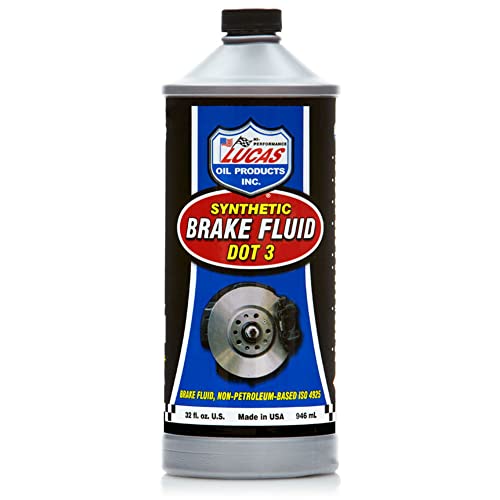
Mixes well with conventional fluids

Ideal for hydraulic and disc brakes

Exceeds DOT 3 regulations: Formulated to meet or surpass DOT 3 requirements, ensuring consistent braking performance and dependable stopping power in all conditions
Best Practices for Handling Brake Fluid
- Wear Protective Gloves: Always use nitrile or rubber gloves when handling brake fluid to create a barrier between the fluid and your skin.
- Avoid Prolonged Exposure: Limit the time brake fluid stays in contact with your skin by promptly washing off any spills or splashes.
- Use Appropriate Tools: When pouring or transferring brake fluid, utilize a funnel or specialized equipment to prevent direct contact with your skin.
- Maintain Good Ventilation: Work in well-ventilated areas to reduce inhalation of fumes that can also be harmful to your skin and overall health.
- Safety Goggles: Protect your eyes from potential splashes by wearing safety goggles whenever handling brake fluid.
- Long Sleeves and Pants: Cover exposed skin with long sleeves and pants to minimize the risk of accidental exposure during maintenance tasks.
- Face Mask: Use a face mask if working in confined spaces or areas with poor ventilation to avoid inhaling brake fluid vapors.
By following these best practices and using the recommended protective gear, you can ensure that your skin remains safe while working with brake fluid. Prioritizing safety measures is key to preventing any adverse effects on your skin from exposure to this hazardous substance.
Treatment for Brake Fluid Exposure on Skin
If you’ve experienced brake fluid exposure on your skin, here are some essential steps to take care of yourself properly.
Recommended Products
High quality blend of polyethylene glycol ethers and additives

The exact Original Equipment Manufacturer fluid that your vehicle came with; developed for brake and hydraulic clutch systems to reduce vapor lock by providing a higher boiling point

Provides an extra margin of safety in extreme braking conditions (packaging may vary)
First Aid Measures
In case of brake fluid contact with your skin, follow these immediate first aid measures:
- Rinse: Quickly rinse the affected area with lukewarm water for at least 15 minutes.
- Remove Contaminated Clothing: Take off any clothing or accessories that came in contact with the brake fluid.
- Avoid Scrubbing: Refrain from scrubbing the skin vigorously as it may worsen irritation.
- Seek Medical Advice: If irritation persists or if a large area is affected, seek medical attention promptly.
When to See a Doctor
It’s crucial to consult a healthcare professional under the following circumstances:
- Severe Symptoms: If you experience severe pain, blistering, or burns after exposure.
- Large Area Affected: When a significant portion of your skin is exposed to brake fluid.
- Persistent Irritation: If redness, itching, or discomfort continues despite initial first aid measures.
Remember, prompt and appropriate action can help mitigate the effects of brake fluid exposure on your skin.
Conclusion
Remember, when working with brake fluid, taking care of your skin is crucial. Understanding the potential risks and effects can help you stay safe during car maintenance tasks. Always prioritize safety by wearing protective gear like gloves and goggles, ensuring good ventilation, and following first aid measures if skin contact occurs. By being proactive and cautious, you can prevent skin issues and handle brake fluid safely. Stay informed, take necessary precautions, and enjoy hassle-free maintenance knowing you’re protecting yourself from harm.
Frequently Asked Questions
What are the risks of brake fluid exposure to the skin?
Brake fluid exposure can cause immediate irritation and burning sensations, leading to potential long-term damage like dermatitis and chemical burns with repeated contact.
How can I protect my skin when working with brake fluid?
To safeguard your skin, wear protective gloves, use appropriate tools, ensure good ventilation, wear safety goggles, cover exposed skin with clothing, and use a face mask in confined spaces.
What should I do if brake fluid touches my skin?
If brake fluid comes into contact with your skin, rinse the affected area with lukewarm water, remove contaminated clothing, and seek medical advice if irritation persists or affects a large area.
