

Have you ever found yourself staring at the shelves of automotive fluids, wondering if antifreeze and washer fluid are actually the same? You’re not alone. Many car owners face this confusion, especially when it comes to keeping their vehicles in top shape.
Key Takeaways
- Distinct Purposes: Antifreeze regulates engine temperature and prevents freezing, while washer fluid is designed to clean windshields and improve visibility.
- Composition Differences: Antifreeze consists of ethylene glycol or propylene glycol, whereas washer fluid mainly contains water, surfactants, alcohol, and dyes.
- Seasonal Usage: Antifreeze is crucial during colder months to protect against freezing, while washer fluid is more frequently needed in warmer months for cleaning.
- Monitoring Frequency: Antifreeze levels should be checked once or twice a year, while washer fluid requires regular refills based on driving conditions.
- Safety and Performance: Both fluids enhance vehicle safety; antifreeze prevents overheating, and washer fluid ensures clear visibility on the road.
Understanding Antifreeze
Antifreeze plays a crucial role in vehicle maintenance, ensuring optimal performance under varying temperatures. Knowing its composition and functions helps distinguish it from washer fluid.
Recommended Products
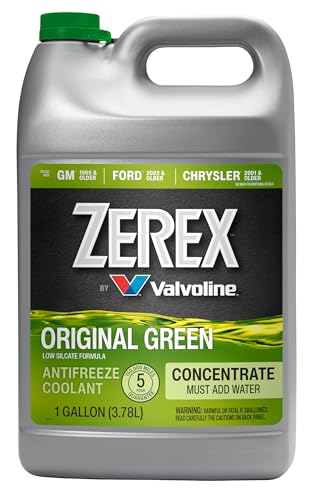
Provides protection down to -34 degree fahrenheit

Provides protection down to -34 degree fahrenheit

1 GALLON ENGINE ANTIFREEZE/COOLANT: Fully compatible with other extended life antifreeze/coolants. This item contains a bittering agent called Denatonium Benzoate.
Composition and Types
Antifreeze primarily consists of ethylene glycol or propylene glycol, which lower the freezing point of the fluid. You’ll find different types of antifreeze categorized by their chemical formulations. Common types include:
- Inorganic Additive Technology (IAT): Traditional antifreeze that contains silicates and phosphates. Typically red or green, it’s designed for older vehicles.
- Organic Acid Technology (OAT): Contains organic acids, offering extended life and corrosion protection. Often orange or yellow, it’s suitable for newer vehicles.
- Hybrid Organic Acid Technology (HOAT): A blend of IAT and OAT, it offers the benefits of both types. Available in various colors, it provides durability across a wide range of vehicles.
Functions of Antifreeze
Antifreeze serves several key functions that are essential for your vehicle’s operation:
- Freezing Protection: Lowers the freezing point of the coolant, preventing it from freezing in cold temperatures.
- Boiling Protection: Raises the boiling point, reducing the risk of overheating.
- Corrosion Inhibitor: Protects metal components of the engine from rust and corrosion, prolonging the life of the car.
- Heat Transfer: Enhances the thermal conductivity of the coolant, allowing efficient heat dissipation from the engine.
Understanding antifreeze and its distinct purposes will clarify its importance in vehicle maintenance and help you avoid confusion with washer fluid.
Overview of Washer Fluid
Washer fluid plays a vital role in vehicle maintenance, ensuring a clear view of the road. Unlike antifreeze, washer fluid is specifically designed for cleaning your windshield and headlights.
Key Ingredients
Washer fluid typically contains several key ingredients:
- Water: Serves as the primary solvent.
- Surfactants: Help to break down dirt and grime, making it easier to clean surfaces.
- Alcohol: Lowers the fluid’s freezing point to prevent it from freezing in colder temperatures.
- Dyes: Provide color for easy identification.
These components work together to ensure effective cleaning and optimal visibility when driving.
Purpose of Washer Fluid
Washer fluid’s main purpose is to clear away dirt, debris, and grime from your vehicle’s glass surfaces. This enhances visibility and safety while driving. Additionally, washer fluid often contains antifreeze agents, allowing it to function efficiently in various weather conditions. It’s essential to refill the washer fluid regularly to ensure it remains effective, especially during harsh weather or after driving on dusty roads.
Comparing Antifreeze and Washer Fluid
Antifreeze and washer fluid serve distinct purposes, yet they share some similarities. Understanding these can help you use each fluid correctly and maintain your vehicle effectively.
Recommended Products

Removes and repels the toughest road grime

Melts ice & frost fast, -34 degrees F protection

EXTREME COLD PROTECTION: Formulated to provide reliable -20°F freeze protection, keeping your windshield washer system functioning in harsh winter conditions
Similarities
- Liquid Form: Both antifreeze and washer fluid are liquids designed for vehicle maintenance.
- Temperature Considerations: Each fluid has components that perform better under specific temperature conditions. Antifreeze prevents freezing, while washer fluid can contain antifreeze agents to prevent freezing in colder climates.
- Safety Features: Both products often incorporate additives that enhance safety. Antifreeze reduces the risk of overheating, while washer fluid ensures clear visibility by removing debris.
- Purpose: Antifreeze primarily manages engine temperature and prevents freezing and corrosion inside the cooling system. Washer fluid focuses on keeping windshields clean for optimal visibility while driving.
- Composition: Antifreeze contains ethylene glycol or propylene glycol, which lowers the freezing point and raises the boiling point of engine coolant. Washer fluid includes water, surfactants, alcohol, and dyes, which promote cleaning and visibility without harmful effects on vehicle surfaces.
- Usage Frequency: You typically check antifreeze levels once or twice per year. Conversely, washer fluid requires more frequent monitoring and refilling, especially in adverse weather conditions or after long drives.
Understanding these similarities and differences allows for better maintenance practices and optimal functioning of your vehicle’s systems.
When to Use Each Product
Using antifreeze and washer fluid appropriately ensures your vehicle performs well and stays safe on the road. Knowing when to use each product can help you maintain your vehicle more effectively.
Recommended Products

1-GAL. EXTENDED LIFE PREDILUTED ANTIFREEZE/COOLANT: Engineered to support any vehicle's engine cooling system to enhance performance and optimize protection for years to come
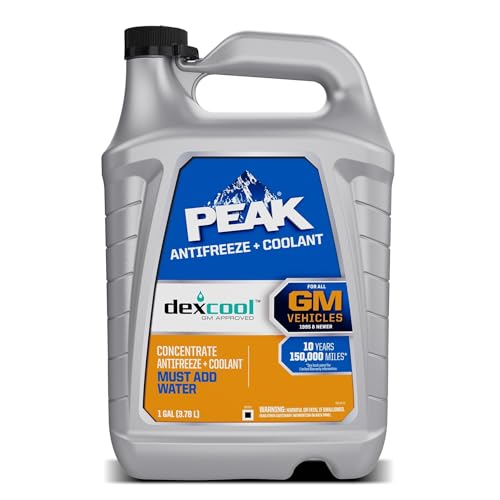
VERSATILE ENGINE COOLANT: This antifreeze + coolant is designed for use in all GM vehicles 1995 and newer requiring an orange organic acid technology (OAT) coolant. This item contains a bittering agent called Denatonium Benzoate.

Specifically designed to match the needs of your car, OEM fluids keep your vehicle performing at its best. Drive with confidence. Drive with OEM.
Seasonal Considerations
Consider using antifreeze in colder months. Antifreeze protects your engine from freezing by lowering the freezing point of the coolant. For temperatures below 32°F (0°C), it’s essential to check antifreeze levels. In warmer months, washer fluid becomes more critical as debris on the windshield may impede visibility.
Application Scenarios
Use antifreeze in the vehicle’s cooling system. It maintains the optimal engine temperature, preventing overheating and freezing. Regular checks of antifreeze levels ensure your engine stays protected during extreme temperatures. For washer fluid, apply it whenever your windshield gets dirty. Refill the washer fluid reservoir frequently, especially during long trips or in inclement weather. Always choose a washer fluid that meets your visibility needs, like one with added cleaners for removing bugs and grime effectively.
Conclusion
Understanding the difference between antifreeze and washer fluid can make a big difference in your vehicle’s performance. Each plays a crucial role in keeping your car running smoothly and safely. By using antifreeze to protect your engine and washer fluid to maintain clear visibility, you’re ensuring a safer and more efficient driving experience.
Remember to check both fluids regularly and adjust based on the seasons. A little attention goes a long way in vehicle maintenance. So keep your antifreeze topped off in the winter and your washer fluid filled during the warmer months to stay prepared for whatever the road throws your way.
Frequently Asked Questions
What is the role of antifreeze in vehicle maintenance?
Antifreeze is crucial for protecting your engine from freezing and corrosion. It helps regulate the engine’s temperature, ensuring it runs efficiently under different weather conditions. Typically made from ethylene glycol or propylene glycol, antifreeze should be monitored annually to maintain optimal engine performance.
How does washer fluid contribute to vehicle safety?
Washer fluid plays an essential role in maintaining clear visibility while driving. It removes dirt and debris from windshields, ensuring you can see properly. It typically contains water, surfactants, alcohol, and dyes, and should be checked and refilled frequently, especially during harsh weather conditions.
When should I use antifreeze?
Antifreeze is recommended primarily during colder months to prevent engine freezing. It’s vital to check antifreeze levels before winter to ensure your vehicle can handle low temperatures without overheating or freezing.
How often should I check washer fluid levels?
Washer fluid levels should be checked regularly, especially during periods of heavy use or harsh weather. It’s advisable to refill washer fluid whenever the windshield is dirty, and perform more frequent checks during long trips.
What types of washer fluid should I choose?
When selecting washer fluid, it’s important to choose a product that meets your visibility needs. Look for options that contain added cleaners for better dirt removal, especially if you frequently drive in polluted or wet conditions.
