

Have you ever wondered how to tackle laundry after a bout of the flu? It’s a common concern, especially when you want to keep your home safe and clean. After feeling under the weather, the last thing you want is to spread germs through your clothes and bedding.
This article will guide you through the best practices for washing your laundry post-flu. You’ll learn effective techniques to sanitize your items, ensuring your space is fresh and free from lingering viruses. With these simple tips, you can confidently get back to your routine without the worry of contamination.
Key Takeaways
- Importance of Laundry: Washing clothes after flu is crucial to eliminate germs, prevent re-infection, and maintain a hygienic environment.
- Effective Techniques: Use hot water (above 140°F) and appropriate disinfectants like bleach or hydrogen peroxide to ensure thorough cleaning.
- Separate Laundry: Keep items of infected individuals separate from others to limit germ spread during washing.
- Dry Thoroughly: Use high heat in a dryer or sunlit areas for air drying, which effectively kills remaining germs.
- Regular Hygiene Practices: Consistently wash frequently used items like towels and bed linens to ensure a germ-free home.
- Post-Wash Precautions: Always wash your hands after handling dirty laundry and use gloves to minimize direct contact with contaminants.
Importance of Washing Clothes After Flu
Washing clothes after the flu plays a key role in preventing the spread of germs. The flu virus can linger on fabrics and surfaces. It can transfer to others through contact.
Key Reasons to Wash Clothes
- Eliminate Germs: Washing at high temperatures kills germs. Use water temperatures above 140°F (60°C) for effective disinfection.
- Prevent Re-infection: Using clean clothes and linens reduces the risk of re-infection. This is crucial for a swift recovery.
- Maintain Hygiene: Frequent laundering of items like bed linens and pajamas ensures a hygienic environment. This promotes comfort during recovery.
Effective Washing Techniques
- Separate Laundry: Keep sick household members’ items separate from others. This limits germ spread.
- Use Disinfectants: Add chlorine bleach or color-safe bleach to the wash when appropriate. This boosts germ-killing power.
- Dry Thoroughly: Dry clothes in a dryer on high heat. Heat helps eliminate any remaining germs.
- Handle With Care: Use gloves when handling dirty laundry. This minimizes direct contact with germs.
- Wash Hands: Always wash hands after handling laundry. This step prevents germs from spreading to other surfaces.
- Consider Other Items: Don’t forget to wash towels, blankets, and other frequently used items. These can harbor germs just like clothing.
Implementing these practices ensures your laundry is virus-free, allowing you to return to daily routines with peace of mind.
Recommended Cleaning Products
Choosing the right cleaning products is essential for effectively washing clothes after the flu. Using disinfectants and quality laundry detergents ensures thorough cleaning and kills bacteria and viruses.
Recommended Products
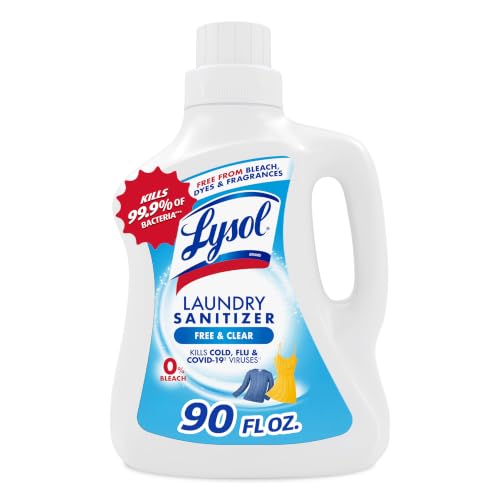
LAUNDRY DETERGENT ADDITIVE: Add Lysol Laundry Sanitizer liquid to the fabric softener drawer or rinse cycle to sanitize*** and deodorize every load. Kills 99.9% of bacteria*** that laundry detergent alone leaves behind on clothes, towels and sheets.

LAUNDRY DETERGENT ADDITIVE: Add Lysol Laundry Sanitizer liquid, Tough Odor Eliminator, to the fabric softener drawer or rinse cycle to sanitize*** and deodorize every load. Kills 99.9% of bacteria*** that laundry detergent alone leaves behind.

LAUNDRY DETERGENT ADDITIVE: Add Lysol Laundry Sanitizer liquid to the fabric softener drawer or rinse cycle to sanitize*** and deodorize every load. Kills 99.9% of bacteria*** that laundry detergent alone leaves behind on clothes, towels and sheets.
Disinfectants to Use
Select disinfectants that are effective against germs. Look for:
- Bleach: Use chlorine bleach for whites and color-safe bleach for colored fabrics. Follow the manufacturer’s instructions for dilution and application.
- Hydrogen Peroxide: This is a gentle disinfectant suitable for whites and colors. It helps eliminate pathogens without damaging fabrics.
- EPA-Registered Disinfectants: Ensure the disinfectant is on the EPA’s list of registered products for use against influenza viruses. Read labels for instructions and safety precautions.
Laundry Detergents
Opt for laundry detergents that offer strong cleaning power. Choose detergents that:
- Contain Antimicrobial Agents: These help kill germs during the wash cycle. Detergents labeled as “antibacterial” provide added protection.
- Function in Hot Water: Use detergents that perform well in high-temperature washes to enhance germ removal.
- Are HE-Compatible: High-efficiency detergents are suitable for all washing machines. They provide effective cleaning while being eco-friendly.
Using these cleaning products ensures your laundry is free from flu viruses and safe to wear. Keep your washing routine consistent to maintain a healthy environment.
Washing Techniques
Washing clothes after the flu requires specific techniques to ensure thorough cleaning and germ removal. Here are effective methods for both machine washing and hand washing to keep your laundry safe and sanitary.
Recommended Products
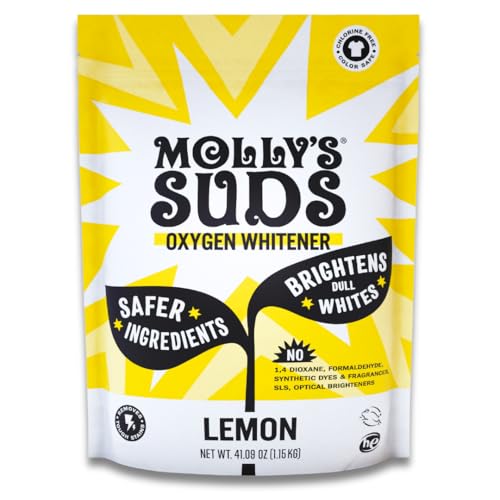
POWERFUL, CHLORINE-FREE WHITENER: Formulated with strict ingredient integrity using only clean ingredients that safely revive whites and remove stains. Simple, effective laundry booster lightly scented with lemon essential oils rather than synthetic fragrances, dyes, and contaminants.
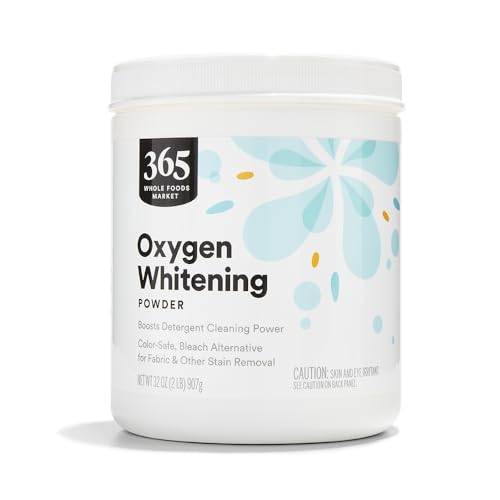
Color-safe oxygen whitening powder in 32 oz container
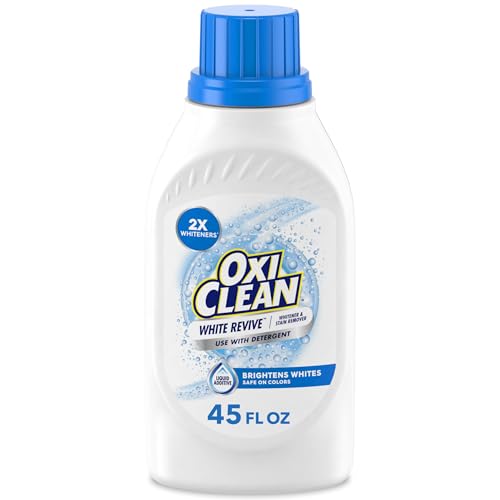
A BRIGHTER CLEAN: 45 fl oz bottle of OxiClean White Revive Whitener & Stain Remover Liquid Additive; use with detergent to brighten faded whites and remove tough stains
Machine Washing
- Select Hot Water: Use the hottest water temperature suitable for the fabric. Hot water helps kill germs effectively.
- Choose a Disinfectant: Add a disinfectant to your laundry, following the manufacturer’s instructions. For example, bleach works well on whites, while hydrogen peroxide is safe for colors.
- Use Quality Detergent: Opt for a laundry detergent that contains antimicrobial agents. Ensure your detergent works effectively in hot water.
- Full Load: Wash a full load of laundry to maximize efficiency, ensuring all items are adequately cleaned.
- Dry Thoroughly: After washing, dry clothes on high heat. This step further reduces the presence of germs and viruses.
- Fill Basin with Hot Water: Fill a basin or sink with hot water. Ensure it’s warm enough to assist in killing germs while being safe for your fabrics.
- Add Detergent: Mix in a quality laundry detergent according to the product instructions. This helps break down dirt and kill germs.
- Soak Items: Submerge your clothes in the soapy water and let them soak for at least 15 minutes. This duration enhances disinfection.
- Agitate Gently: Gently agitate the clothing in the water. Focus on areas that may have come into contact with germs, like cuffs and collars.
- Rinse Thoroughly: Rinse each piece under warm water until all soap is removed. Proper rinsing helps eliminate any remaining disinfectants or detergents.
- Dry Completely: Hang or lay flat to dry completely. Ensure the items are entirely dry before wearing or storing.
By following these techniques, you can ensure your laundry is clean and germ-free after flu exposure.
Drying Clothes Effectively
Drying clothes properly after washing is essential for eliminating any remaining flu germs. Choose a method that fits your resources and ensures thorough drying.
Recommended Products

Portable Clothes Dryer with Fast Drying Technology: The MOJOCO Portable Clothes Dryer features a powerful 600W heating system with 2 drying modes to suit different fabric types. Choose between a lower temperature for delicate garments or a higher temperature for faster drying. Using advanced heat and airflow technology, it can dry clothes in as little as 50 minutes, making laundry faster and more convenient.

Fast Drying Technology & High Capacity: Revitalize your routine with this portable clothes dryer machine that holds up to 12 items simultaneously. Utilizing a unique heat and airflow system, this electric clothes dryer can dry garments in as little as 50 minutes, providing a much faster alternative to hanging or air-drying

2-in-1 Portable Clothes Dryer: This portable dryer features two drying modes to suit different needs. The hanging mode is suitable for shirts, T-shirts, and larger garments, while the desktop mode works well for smaller items like underwear, towels, and socks, allowing separate drying for different types of clothing
Using a Dryer
Using a dryer offers a quick and efficient way to dry clothes post-flu. Set your dryer to a high heat setting, as heat kills germs effectively. Here are some steps to follow:
- Load Clothes: Load the dryer without overcrowding, allowing air circulation.
- Select Heat Setting: Choose the highest heat setting available.
- Dry Thoroughly: Aim for a drying cycle that lasts at least 30 to 60 minutes.
- Check for Dampness: After the cycle, double-check that items are completely dry before removing them.
Air Drying Tips
Air drying is another effective method, especially if a dryer isn’t available. Use these strategies to ensure your clothes dry completely:
- Choose a Sunlit Area: Find a spot with direct sunlight. Sunlight not only dries clothes but also helps kill germs.
- Hang Clothes With Space: Use hangers or a drying rack, ensuring items hang separately to allow airflow.
- Use Spacing Techniques: For thicker fabrics, like towels, space them out further to promote faster drying.
- Check Regularly: Monitor for dampness and rearrange items as needed to improve exposure.
Implementing these tips will secure proper sanitation and help you maintain a healthy environment after facing the flu.
Additional Tips for Preventing Flu Spread
- Isolate Infected Items: Keep items that belong to an infected person away from others. Use separate laundry baskets for their clothes, towels, and linens until washing.
- Use Disinfecting Products: Choose laundry detergents that contain disinfecting properties. Look for products that list ‘antimicrobial’ or ‘germ-killing’ on the label to ensure effective cleaning.
- Wash Regularly: Wash clothing and household items frequently during flu season, especially high-touch items like bedding and towels. Aim for bi-weekly washes to reduce germ buildup.
- Avoid Overloading: Don’t overload the washing machine. Allow enough space for water and detergent to circulate freely, ensuring all items get properly cleaned.
- Handle with Care: When sorting and handling laundry, wear disposable gloves. This prevents direct contact with contaminated items.
- Sanitize Your Washer: Clean your washing machine after washing infected items to remove lingering germs. Run a hot cycle with vinegar or a washing machine cleaner.
- Encourage Good Hygiene: Promote hand washing practices among family members. Use soap and warm water for at least 20 seconds to reduce germ transmission.
- Use a Humidifier: Keeping air moist can help prevent flu viruses from spreading. Consider using a humidifier, especially in dry indoor environments during peak flu season.
- Practice Cough Etiquette: Encourage everyone to cough or sneeze into their elbows. This practice reduces germ spread on surfaces you touch daily.
- Stay Informed: Keep up with health guidelines regarding flu prevention. Resources like the CDC offer valuable tips to keep you and your family safe.
Conclusion
Taking the time to wash your clothes after battling the flu is a simple yet effective way to protect yourself and others. By using the right techniques and products you can ensure that your laundry is not only clean but also free from any lingering germs.
Remember to dry your clothes thoroughly and keep up with good hygiene practices to create a healthier environment. It’s all about being proactive and mindful so you can recover quickly and keep those around you safe. Stay healthy and happy laundry days ahead!
Frequently Asked Questions
Why is it important to wash clothes after having the flu?
Washing clothes after having the flu is crucial to prevent the spread of germs. Viruses can linger on fabrics, and properly cleaning them helps eliminate any remaining germs, protecting others from infection.
What are the best washing techniques for flu-contaminated clothes?
For machine washing, use hot water, add a disinfectant, and wash full loads without overloading. For hand washing, fill a basin with hot water, add detergent, soak the items, agitate gently, rinse thoroughly, and dry completely.
What cleaning products are recommended for washing flu-contaminated laundry?
It is best to use quality laundry detergents and disinfectants that are effective against viruses. Look for products that specify germ-killing properties to ensure thorough cleaning.
How should I properly dry items after washing them?
Dry items in a dryer on high heat or air dry them in a sunlit area, ensuring there’s enough space between items. Proper drying is essential to eliminate any remaining flu germs.
What additional tips can help prevent the spread of the flu?
To prevent the spread of the flu, isolate infected items, wash regularly, handle laundry safely, sanitize the washer, and promote good hygiene practices. Staying informed with health guidelines from the CDC is also vital.
