

Have you ever jumped into your car on a chilly morning only to find your windshield washer fluid frozen solid? It’s frustrating when you need a clear view but can’t get your wipers to help. You’re not alone—this happens to many drivers during winter months.
Key Takeaways
- Frozen Windshield Washer Fluid Causes: Understand that low temperatures, inadequate fluid quality, and dilution with plain water can lead to freezing issues.
- Signs of Frozen Washer Fluid: Look for indications such as no spray output, ice buildup in the reservoir, or delayed fluid response when activating the washer system.
- Effective Thawing Methods: Use warm water or a hair dryer (on a low setting) to safely thaw frozen washer fluid, allowing for a gradual warming process.
- Preventative Measures: Choose winter-specific washer fluid with antifreeze components and store it in warm, insulated conditions to minimize freezing risk.
- When to Consult Professionals: If issues persist, such as recurrent freezing, clogged lines, or visible damage, seek professional assistance to ensure safe vehicle operation.
Understanding Frozen Windshield Washer Fluid
Frozen windshield washer fluid occurs during cold weather, limiting your ability to maintain a clear view while driving. It’s essential to know the causes and signs of this issue to address it effectively.
Causes of Freezing
- Low Temperatures: Windshield washer fluid consists of water and a cleaning agent. When temperatures drop below 32°F (0°C), the fluid can freeze if it lacks sufficient antifreeze components.
- Inadequate Fluid: Using low-quality washer fluid with insufficient antifreeze content elevates the risk of freezing. Always check the product label for freeze protection ratings.
- Presence of Water: Diluting washer fluid with plain water may cause it to freeze more easily. Opting for a concentrated cleaning solution minimizes this risk.
- No Spray Output: When you activate the washer system, if no fluid sprays onto the windshield, freezing likely occurred in the lines or the reservoir.
- Ice Buildup: Inspect the washer fluid reservoir and hoses. If you see ice or frost, this indicates the fluid is frozen.
- Delayed Response: If the fluid takes longer than usual to spray or sputters when you activate the system, it’s a sign of potential freezing.
Understanding these causes and signs gives you the tools necessary to address and prevent frozen windshield washer fluid effectively.
Methods for Thawing Frozen Windshield Washer Fluid
When windshield washer fluid freezes, quick action helps restore visibility. Here are effective methods to thaw it.
Recommended Products

Removes and repels the toughest road grime

EFFORTLESS CLEANING: Enjoy hassle-free maintenance with ABRO's pre-mixed windshield wiper fluid formula, saving you time and effort in preparing the solution for streak-free clarity.

Add to existing washer fluid
Warm Water Technique
- Gather Materials: Use a container filled with warm water. Avoid boiling water as it can crack the reservoir.
- Apply Carefully: Pour warm water over the washer fluid reservoir. Focus on areas with ice buildup.
- Check Fluid: After a few minutes, check the spray. Repeat if necessary until the fluid flows freely.
Using a Hair Dryer
- Set Up Equipment: Find a hair dryer and plug it in. Ensure it’s in a dry location.
- Aim: Set the dryer to a low heat setting. Hold it several inches away from the reservoir.
- Thaw Gradually: Move the dryer back and forth across the reservoir. This evenly distributes heat.
- Test Functionality: After a few minutes, check the spray. Continue until fluid flows without obstruction.
- Locate a Warm Garage: If you have access, park in a heated garage.
- Leave the Vehicle: Exit the vehicle and allow it to warm up naturally. This process can take several hours depending on temperature.
- Check Afterward: When you return, check the washer fluid operation. Parking in a warm environment often resolves freezing issues.
These methods provide reliable options to thaw frozen washer fluid, enhancing your driving visibility in cold weather.
Tips for Prevention
Preventing frozen windshield washer fluid is essential for maintaining visibility in cold weather. Here are some effective strategies to help avoid this issue.
Recommended Products

advanced Water beading technology leaves no streaks and is glare free
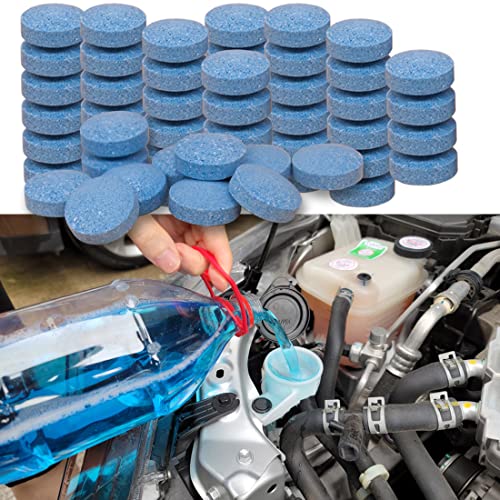
🍀ECONOMICAL& EFFICIENT You will obtain 100 pieces of solid concentrated clean washer tablets in total,the abundant quantity can satisfy your long-term demands. This washer fluid tablets will help you to save large amount money compared to the purchase of traditional washer fluid,because 100 pellets equals 100 gallon washer fluid.1 tablet+1gallon water= 1gallon windshield washer fluid.

-25°F Cold Weather Protection: Designed to resist freezing and perform in cold temperatures for reliable winter visibility
Choosing the Right Washer Fluid
Select washer fluid specifically formulated for winter use. These fluids often contain antifreeze components that lower the freezing point. Look for mixtures labeled for temperatures as low as -20°F to ensure usability during harsh winters. Regular fluids won’t perform adequately in frigid conditions.
Storage Solutions
Store your windshield washer fluid indoors, especially during extreme cold. Keeping it in a heated garage or closet minimizes the chance of freezing. If you must leave it in the car, make sure it’s not near any metal surfaces that could conduct cold temperatures. Opt for a thermally insulated container for added protection against freezing.
When to Seek Professional Help
Sometimes, thawing frozen windshield washer fluid becomes challenging. Here are situations when getting professional assistance proves necessary:
- Persistent Freezing
If your washer fluid repeatedly freezes, even after following thawing methods, check for issues in the fluid formulation. Consider consulting a professional to ensure you’re using the right product for your climate. - Clogged Lines
If you notice fluid doesn’t spray even after thawing, clogged lines might be the problem. A mechanic can clear out blockages safely, ensuring your system operates correctly. - Fluid Contamination
If you suspect contamination, such as dirt or debris in your washer fluid, have a professional inspect and flush the system. Maintaining clean fluid is crucial for optimal visibility. - Damage Assessment
If freezing causes visible damage to your washer system, such as cracks in the reservoir or hoses, enlist help for repairs. Ignoring damage can lead to more extensive issues over time. - System Malfunctions
If your windshield washer system shows signs of electrical issues or malfunctioning pumps, a professional can diagnose and fix these problems safely.
In these cases, seeking professional help ensures your vehicle remains safe and functional.
Recommended Products

HIGH QUALITY MATERIAL: The windshield washer hose kit is made of high quality rubber, soft and elastic, strong and durable.

Stops The Spread of Chips and Cracks - Rain-X Windshield Repair Kit Helps You Minimize The Appearance And Stop The Spread Of Chips And Cracks In Your Windshield.

EASY INSTALLATION & REPLACEMENT: Replace damaged windshield washer hoses anytime — even traveling or in emergencies; connect the water pump and windshield nozzle easily to restore smooth water spray, no special tools needed
Conclusion
Keeping your windshield washer fluid from freezing is essential for safe driving in winter. By following the thawing methods and prevention tips shared, you can ensure your fluid stays functional when you need it most. Remember to choose the right fluid and store it properly to avoid future issues.
If you ever find yourself struggling with persistent freezing or other problems, don’t hesitate to reach out to a professional. Your safety on the road is worth it. Stay warm and drive safely this winter!
Frequently Asked Questions
What causes frozen windshield washer fluid?
Frozen windshield washer fluid typically occurs in extremely cold weather when the temperature drops below the fluid’s freezing point. If the fluid lacks sufficient antifreeze or is diluted with water, it is more susceptible to freezing.
How can I tell if my washer fluid is frozen?
Signs of frozen washer fluid include non-functioning wipers, a lack of fluid spraying onto the windshield, and a distinct sound of the pump running without any fluid being dispensed.
What are effective methods for thawing frozen washer fluid?
To thaw frozen washer fluid, park your vehicle in a warm area, use a hairdryer on a low setting directed at the fluid reservoir, or pour warm (not boiling) water directly over the reservoir.
How can I prevent washer fluid from freezing?
Prevent freezing by using winter-specific washer fluid with antifreeze components. Additionally, store the fluid indoors or in insulated containers to keep it from becoming too cold.
When should I seek professional help for frozen washer fluid?
Consult a professional if you experience persistent freezing, clogged lines, contaminated fluid, or any signs of damage to the system. They can assess and repair potential issues for safe vehicle operation.
