

Ever found yourself caught in a downpour, only to discover your windshield washer fluid reservoir is empty or leaking? It’s a frustrating situation that can leave you feeling stuck and unsafe on the road. Fortunately, you don’t have to rely on a mechanic to fix it.
In this article, you’ll learn simple steps to repair your windshield washer fluid reservoir. Whether it’s a crack or a loose connection, you’ll gain the confidence to tackle this common car issue yourself. With a little guidance, you can save time and money while keeping your visibility clear during those rainy drives.
Key Takeaways
- Identify Common Issues: Look for signs like leaking fluid, warning lights, low fluid levels, weak spray, and visible cracks to determine if your windshield washer fluid reservoir needs repair.
- Essential Tools: Have the right tools ready, including a screwdriver set, pliers, sealant, replacement hose, cleaning cloth, drill, and a container for fluid collection.
- Step-by-Step Repair: Follow a clear process—drain the reservoir, disconnect and remove it, inspect for damage, and either seal minor cracks or replace it if severely damaged.
- Proper Maintenance: Conduct regular inspections of the reservoir and hoses monthly to detect potential issues early and maintain adequate washer fluid levels to ensure optimal performance.
- Safety First: Address leaks or damage immediately to prevent safety issues while driving and ensure clear visibility in adverse weather conditions.
Tools Needed For The Repair
Gathering the right tools simplifies the repair process for your windshield washer fluid reservoir. Below is a list of essential tools and materials you’ll need:
- Screwdriver Set: Use different types, including flathead and Phillips, to remove screws securing the reservoir.
- Pliers: These come in handy for gripping and twisting any fasteners or clamps involved in your repair.
- Sealant: A waterproof sealant or adhesive helps fix small cracks in the reservoir effectively.
- Replacement Hose: If the hose is damaged, a new one ensures proper fluid delivery.
- Cleaning Cloth: A microfiber cloth works best for cleaning surfaces around the reservoir before application.
- Drill: If you need to make new holes for mounting or attaching parts, a drill is essential.
- Container: Use a container to catch any spilled fluid during the repair.
Having these tools ready before starting the repair makes the process smoother and more efficient. Ensure all parts are compatible with your vehicle model to avoid delays during the fix.
Recommended Products

HIGH QUALITY MATERIAL: The windshield washer hose kit is made of high quality rubber, soft and elastic, strong and durable.

State-of-the-art components

High quality material: windshield washer hose kit is made of high quality rubber, soft and flexible, strong and durable for long term use. The front windshield nozzle is made of high quality plastic, light weight and corrosion resistant, which can effectively extend the service life of wiper blades.
Identifying The Problem
Identifying issues with your windshield washer fluid reservoir is crucial for maintaining visibility and safety. Look for specific problems that indicate a need for repair.
Signs of A Faulty Reservoir
- Leaking Fluid: Check for fluid pooling under your vehicle. A leak often means there’s damage to the reservoir.
- Warning Light: A dashboard warning light related to washer fluid can indicate a malfunction.
- Low Fluid Combination: Find the reservoir low or empty after refilling frequently, which suggests a leak or a more significant issue.
- Weak Spray: Notice a weak or ineffective spray from the washer jets, indicating a possible obstruction or low pressure.
- Cracks and Damage: Exposure to extreme temperatures can lead to cracks. Regular wear and tear may also deteriorate the material over time.
- Loose Hoses: Check hoses connected to the reservoir. A loose or cracked hose can cause fluid leaks and pressure loss.
- Debris Blockage: Dirt, leaves, or other debris can block the intake or output of fluid, leading to low functionality.
- Corrosion: Some materials corrode over time, especially in harsh environments, affecting the reservoir’s integrity.
Recognizing these signs and causes early can prevent further complications, making your repair process smoother and more efficient.
Step-By-Step Repair Process
Fixing a windshield washer fluid reservoir involves several straightforward steps. This process helps maintain optimal performance for your vehicle’s washing system. Follow these steps for a clear and effective repair.
Recommended Products

[Universal Fit & Complete Kit]: This windshield washer hose kit includes a 3-meter (9.84ft) high-quality hose and 12 essential connectors. It is engineered to replace aging or damaged lines, restoring smooth water spray to your windshield for clear visibility.
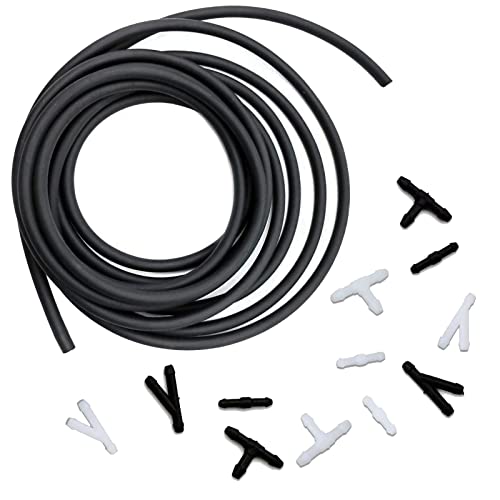
Product function: The windshield washer hose kit connects the water tank and the water nozzle, which can spray the glass water smoothly and clean the windshield quickly.

Fitment Work well with most 12V cars with enough size to fit this washer pump. Universal car KEMIMOTO windshield washer is designed to fit most Car UTV ATVs boats and so on
Draining The Reservoir
- Locate the low fluid level indicator.
- Place a container under the reservoir to collect fluid.
- Open the reservoir cap and drain all existing fluid.
- Dispose of the drained fluid according to local regulations.
Removing The Reservoir
- Identify and disconnect any electrical connections on the reservoir.
- Remove the hoses carefully to avoid damage.
- Unscrew the mounting bolts securing the reservoir in place.
- Lift the reservoir out of its housing. Handle it gently to prevent cracks.
Inspecting For Damage
- Check for visible cracks or holes on the reservoir’s surface.
- Examine the hoses for wear, fraying, or looseness.
- Assess the mounting areas for corrosion or rust.
- Look for any blockages or debris inside the reservoir.
- If damage is minor, use epoxy or a specialized plastic repair kit to seal cracks. Follow the product instructions closely.
- For significant damage, purchasing a new reservoir is often more effective.
- Match the new reservoir with your vehicle’s make and model for proper fit.
- Reinstall the reservoir by reversing the removal process, ensuring all connections are secure.
Following these steps ensures a successful repair of your windshield washer fluid reservoir and keeps your vehicle’s washing system functioning properly.
Maintenance Tips
Maintaining the windshield washer fluid reservoir keeps your vehicle’s washing system operating smoothly. Follow these tips to ensure proper care and longevity of the reservoir.
Recommended Products

Direct replacement - this washer fluid reservoir cap is designed to match the fit and function of the original cap on specified vehicles

Fitment: Fit for Toyota Corolla 50th Anniversary Special Edition 2017, Corolla Base 2019, Corolla Le Eco Plus 2014, Corolla S 2014-2016, 2019, Corolla Special Edition 2016

High Pressure Output:This windshield washer fluid pump efficiently transfers windshield washer fluid from the reservoir to the spray nozzles, delivering stable pressure and even distribution. Consistent washer fluid flow helps remove road dirt, dust, and debris from the windshield for improved visibility during daily driving.
Regular Inspection
Inspect the windshield washer fluid reservoir monthly. Check for any visible cracks, leaks, or damage. If you find issues, address them promptly. Also, examine the hoses and connections for wear. Look for signs of degradation, which might indicate a potential failure. This proactive measure helps prevent bigger problems down the road.
Maintaining Washer Fluid Levels
Keep an eye on the washer fluid levels. Regularly fill the reservoir with the appropriate washer fluid. Using a suitable fluid prevents clogging and ensures effective cleaning. If low fluid levels occur frequently, investigate for leaks. Consistent checks and topping off fluid maximize visibility and improve driving safety.
Conclusion
Taking care of your windshield washer fluid reservoir is essential for clear visibility and safe driving. By following the steps to repair and maintain it you can ensure a reliable washing system. Regular checks and quick fixes can save you time and hassle down the road.
Remember to keep an eye on fluid levels and inspect for any signs of wear and tear. With a little attention you’ll keep your windshield clean and your driving experience safe. So grab those tools and get started on your repair journey today. You’ve got this!
Frequently Asked Questions
What are the common problems with a windshield washer fluid reservoir?
Issues often include leaks, cracks, and low fluid levels. Regular inspection helps identify these problems early and avoid further damage to the system.
How can I tell if my windshield washer fluid reservoir is leaking?
Look for puddles of fluid under your vehicle or low fluid levels in the reservoir. Visual inspections for cracks or damage can also indicate a leak.
How do I repair a damaged windshield washer fluid reservoir?
Start by draining the fluid, then inspect the reservoir for damage. If necessary, replace it with a new one that matches your vehicle’s make and model.
How often should I check my windshield washer fluid levels?
It’s advisable to check your washer fluid levels monthly or before long trips to ensure effective cleaning and prevent clogs.
What maintenance tips can I follow for my windshield washer system?
Regularly inspect the reservoir for cracks and leaks. Ensure washer fluid levels are adequate and use high-quality fluid to maintain the system’s efficiency.
