

Have you ever found yourself dealing with a leaky windshield washer fluid reservoir in your Silverado? It’s a frustrating problem that can leave you with a dirty windshield and a lot of hassle. Whether you’re facing a clogged line or just need to replace an old reservoir, knowing how to tackle this task can save you time and money.
Key Takeaways
- Understanding the Reservoir: The windshield washer fluid reservoir in your Silverado is essential for maintaining a clear view, holding and dispensing washer fluid when needed.
- Common Problems: Typical issues include leaks from cracks or faulty connections and clogs in hoses and nozzles that impede fluid flow.
- Essential Tools: Proper tools like a socket wrench set, screwdrivers, pliers, and safety gear are necessary for a safe and efficient removal process.
- Step-by-Step Removal: Follow a detailed step-by-step guide, including disconnecting fluid lines, removing fasteners, and carefully extracting the reservoir.
- Reinstallation Tips: Clean components, inspect the new reservoir, align everything properly, and perform routine checks to ensure optimal performance post-installation.
- Testing the System: Activate the windshield washer system after installation to check for leaks and proper fluid spray functionality.
Overview of Windshield Washer Fluid Reservoir
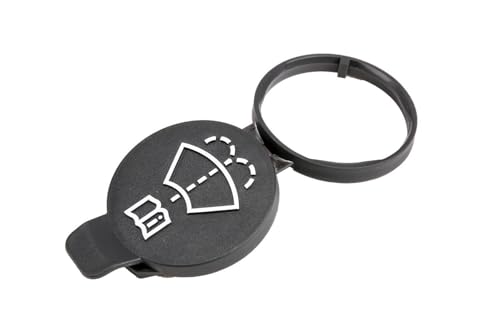
The windshield washer fluid reservoir in your Silverado collects and stores the fluid used to clean your windshield. Located near the vehicle’s front, it’s typically marked with a windshield/water symbol. Understanding its function helps in maintaining a clear view while driving.
Recommended Products

🚗This product OE/OEM part number: 13227300 is a direct replacement for the replaced part numbers: 13227300, 12767700, 12788573, 19172571. perfect replacement. Note: Models that are not within the description range. Please do not purchase

Compatible with Chevy: For Chevry Camaro 2010-2021, Equinox 2010-2020, Cruze Volt 2011-2016, Sonic 2012-2020, Malibu 2013-2021, Corvette 2014-2021, Impala 2014-2020, Silverado 1500 14-16 18-20, Colorado 2015-2021, Silverado 2500HD 15-16 18-21, Silverado 3500HD 15-16 18-21, Suburban Tahoe 15-20, Trax 2015-2021, Spark 16-21 washer fluid reservoir cap

Direct replacement - this windshield washer fluid reservoir is designed to match the fit and function of the original equipment reservoir on specified vehicle makes, models and years
Function of the Reservoir
- Storage: The reservoir holds the washer fluid until it’s needed.
- Dispensing: When you activate the windshield wipers, the system pumps fluid from the reservoir to the wiper nozzles, clearing dirt and debris from the glass.
Common Issues
- Leaking Fluid: A crack or faulty connection may cause fluid leaks, leading to low levels.
- Clogs: The hoses or nozzles can become blocked with debris, hindering fluid flow.
- Regular Checks: Inspect the reservoir regularly for leaks, cracks, and proper fluid levels.
- Fluid Type: Use a quality washer fluid suitable for seasonal conditions, enhancing cleaning efficiency.
Understanding the windshield washer fluid reservoir and its components ensures a clearer windshield and a safer driving experience.
Tools and Materials Required
Gathering the right tools and materials simplifies the process of removing the windshield washer fluid reservoir in your Silverado. Below are the essential items you’ll need.
Recommended Products

Perfect fit for OEM standards: Designed as a direct replacement with OEM part numbers 12767700, 13227300, 19172571, this windshield wiper fluid cap is compatible with a range of Chevrolet, Cadillac, and GMC models from 2010 to 2021.

HIGH QUALITY MATERIAL: The windshield washer hose kit is made of high quality rubber, soft and elastic, strong and durable.

【Function】A ABIGAIL Windshield Washer Pumps provide pressure that enables pumps fluid from washer fluid reservoir, through the washer nozzle, onto your windshield to help wash away dirt.
Essential Tools
- Socket Wrench Set: A set with various sizes enables you to remove bolts easily.
- Screwdrivers: Both Phillips and flathead screwdrivers assist in taking off the reservoir’s fasteners.
- Pliers: Needle-nose pliers are handy for any tight fittings or clips.
- Drip Pan: Use this to catch any remaining washer fluid during removal.
- Rags: Keep some rags handy for spills or cleaning surfaces.
- Gloves: Wear nitrile or rubber gloves to protect your hands from washer fluid and sharp edges.
- Safety Goggles: Protect your eyes from any stray fluid or debris during the process.
- Mask: A mask is useful if you’re working in a confined space or want to avoid inhaling fumes.
Ensuring you have these tools and materials ready will help streamline the process, making it safer and more efficient.
Step-by-Step Guide to Removing the Reservoir
Follow these steps to remove the windshield washer fluid reservoir from your Silverado effectively. Ensure you have all your tools ready and maintain a safe working environment.
Recommended Products

Good Peformance: The windshield washer fluid reservoir cap directly replaces a cracked or lost original cap. It is a necessity for car modification and maintenance. The marks on it makes it convenient to find the washer reservoir.

Fitment: Replacement for Cadillac CTS 2008-2021, XTS 2013-2021, SRX 2010-2021, ATS 2013-2021, ELR 2014-2021, Escalade 2015-2021, CT6 2016-2021, XT5 2017-2021, XT4 2019-2021, CT4 CT5 2020-2021, SAAB 9-5 1999-211 SAAB 9-3 1999-2011 SAAB 9-4X 2011
Some GM Genuine Parts may have formerly appeared as ACDelco GM Original Equipment (OE)
Preparing the Vehicle
Start by parking your Silverado on a flat surface. Turn off the engine and remove the keys. Open the hood and secure it, ensuring plenty of light for visibility. Allow the engine to cool if it was recently used. Wear your gloves and safety goggles for protection.
Disconnecting the Fluid Lines
Locate the fluid lines connected to the reservoir. Gently squeeze the tabs on the connectors to release the lines. Use pliers if the connections are tight. Position a drip pan underneath to catch any spilled washer fluid. Remove the lines and set them aside carefully, avoiding kinks or damage.
Removing Fasteners and Brackets
Identify the fasteners and brackets holding the reservoir in place. Use a socket wrench or screwdriver to remove them. Store the screws in a small container to prevent loss. If the reservoir has additional mounting brackets, detach them as well to free the unit.
Extracting the Reservoir
Once all connections and fasteners are removed, grasp the reservoir firmly. Gently wiggle it to loosen any last bits holding it in place. Lift it out carefully to avoid damaging surrounding components. Place the old reservoir aside and ensure the area is clear for the installation of a new unit if needed.
Tips for Reinstallation
- Clean All Components
Ensure you clean the reservoir and all connections before installing. Dirt can cause leaks and blockages. - Inspect the New Reservoir
Check the new reservoir for defects. Look for cracks or deformations that may affect performance. - Align the Reservoir Correctly
Align the reservoir with the mounting points. Proper alignment prevents stress on the fluid lines and connectors. - Reconnect Fluid Lines Securely
Make sure fluid lines fit tightly. Inspect for any signs of leaks once reconnected. - Reattach Fasteners and Brackets
Tighten the fasteners securely but avoid over-tightening. Over-tightening can strip screws or damage the reservoir. - Fill the Reservoir With Washer Fluid
Use the correct type of washer fluid. This ensures optimal cleaning performance and helps prevent freezing in cold conditions. - Test the System
Activate the windshield washer system after installation. Check for leaks and confirm the fluid sprays correctly. - Perform Routine Checks
Regularly inspect the reservoir and lines to catch any early signs of wear or leaks. Early detection prevents larger issues.
Following these tips helps ensure a smooth reinstallation process and optimal performance of the windshield washer system in your Silverado.
Conclusion
Taking care of your Silverado’s windshield washer fluid reservoir can save you from headaches down the road. By following the steps to remove and replace it, you’re ensuring your visibility stays clear and safe. Remember to keep an eye on your fluid levels and check for any leaks regularly.
With a little maintenance and attention, your washer system will keep working like a charm. You’ll appreciate the difference when you’re driving in less-than-ideal weather conditions. So get out there and give your truck the care it deserves. Happy driving!
Frequently Asked Questions
What causes a leaky windshield washer fluid reservoir in a Silverado?
A leaky windshield washer fluid reservoir can be caused by cracks, wear and tear from age, or damage from road debris. Regular use without maintenance can also lead to clogs, which may contribute to leaks.
How can I identify if my washer fluid reservoir is leaking?
Signs of a leaking reservoir include visible fluid puddles under the vehicle, low fluid levels quickly depleting, and a warning light on your dashboard. Checking for wet spots around the reservoir can also help identify leaks.
How do I remove the windshield washer fluid reservoir?
To remove the reservoir, park the vehicle on a flat surface, disconnect the fluid lines, and remove any fasteners or brackets. Carefully extract the reservoir while ensuring not to damage any surrounding parts.
What should I do during reinstallation of the washer fluid reservoir?
During reinstallation, clean all components, inspect the new reservoir for quality, align it correctly, and securely reconnect the fluid lines. Finish by reattaching fasteners, filling the reservoir with washer fluid, and testing the system.
How can I maintain my washer fluid reservoir?
Maintain your washer fluid reservoir by regularly checking fluid levels, using the appropriate washer fluid, and inspecting for cracks or damage. Routine checks can help prevent leaks and ensure optimal performance of your windshield washer system.
