

Have you ever found yourself in a pinch with a washer fluid pump that just won’t work? You’re not alone. Many car owners face this frustrating issue, especially when the weather turns messy and visibility drops.
Key Takeaways
- Understanding Pump Function: The washer fluid pump is crucial for maintaining visibility by spraying fluid onto windshields to remove dirt and debris, ensuring safe driving conditions.
- Common Issues: Familiarize yourself with common washer fluid pump problems like clogs, electrical failures, pump damage, and frozen fluid to identify and address issues promptly.
- Essential Tools: Gather necessary tools such as screwdrivers, pliers, wrenches, a fluid extractor, and a circuit tester before starting the removal process for efficiency.
- Step-by-Step Removal: Follow a methodical approach to disconnect the battery, locate the pump, detach hoses and connectors, and unscrew it from the reservoir to ensure a successful removal.
- Avoid Common Mistakes: Prevent mishaps by always disconnecting the battery first, inspecting hoses, not over-tightening screws, and having all tools within reach before beginning the work.
- Regular Maintenance: Conduct regular fluid checks, seasonal inspections, and pump tests to keep your washer fluid system in optimal condition and prevent future issues.
Understanding The Washer Fluid Pump
Washer fluid pumps are essential components for maintaining visibility during inclement weather. Understanding their purpose and common issues can help you troubleshoot and address problems effectively.
Purpose Of The Washer Fluid Pump
The washer fluid pump transfers fluid from the reservoir to the windshield and rear window sprays. This action ensures that dirt, debris, and grime are removed, promoting clear vision. Pumps operate automatically when you activate the windshield wiper control, enhancing your driving safety by improving visibility.
Common Issues With The Washer Fluid Pump
Several issues can hinder the functionality of the washer fluid pump:
- Clogs: Debris or sediment can clog the pump or the hoses, preventing fluid from reaching the sprayers. Maintaining a clean reservoir helps avoid this problem.
- Electrical Failures: A blown fuse or faulty wiring can disrupt power to the pump. Check the fuse box for blown fuses if the pump doesn’t respond.
- Damaged Pump: Wear and tear can cause leaks or complete pump failure. Inspect the pump for any visible damage to determine if replacement is necessary.
- Frozen Fluid: In cold temperatures, washer fluid can freeze. Using a fluid rated for low temperatures can prevent freezing and ensure performance in winter conditions.
Recognizing these issues allows for prompt action, ensuring you can clear your windows when you need it most.
Tools Required For Removal
You’ll need a few essential tools to safely remove the washer fluid pump. Gather these items before starting the task for a smoother process.
Recommended Products

TRANSFER FLUID SMOOTHLY - Thorstone syringe style fluid evacuator comes with 0.24" OD and 0.32" OD extension tubes, up to 40 cm when connected, long enough to reach hard-to-reach locations for extracting and changing transmission fluid, power steering fluid, gear oil, anti-freeze and brake fluid. AVOID use with hazardous chemicals, solvents, petrol, diesel, or acids; if used, drain and clean immediately.

Vehicle Applications: OTUAYAUTO windshield washer pump replacment for 2011-2018 Ford Explorer, 2007-2012 Ford Edge, 2011-2012 Ford Fiesta, 2009-2009 Ford Flex, 2013-2013 Ford Flex, 2007-2012 Ford Mondeo V Turnier

✔Fitment: Replacement for 2004 2005 2006 2007 2008 2009 2010 2011 2012 2013 2014 2015 Nissan Titan, 2009-2015 Nissan Frontier.
Basic Hand Tools
- Screwdriver: A Phillips or flat-head screwdriver helps remove screws securing the pump.
- Pliers: Use pliers for gripping and loosening any stubborn clips or hoses.
- Wrench: An adjustable wrench aids in removing any nuts connected to the pump.
- Socket Set: A socket set simplifies loosening bolts that may hold the assembly in place.
- Fluid Extractor: A fluid extractor assists in draining any washer fluid from the reservoir without spills.
- Circuit Tester: Use a circuit tester to ensure there’s power to the pump before removal.
- Trim Removal Tool: A trim removal tool helps you safely detach any coverings or panels without causing damage.
Having these tools ready enhances your efficiency while removing the washer fluid pump.
Step-By-Step Guide On How To Remove Washer Fluid Pump
Removing a washer fluid pump requires careful steps to ensure a successful and straightforward process. Follow this guide for efficient removal.
Recommended Products

💦 Buyer's Guide: If you buy it you will receive 1pcs 12V windshield washer pump with size 3.04*1.14*0.76 inch and 1pcs rubber grommet. OEM#85330-60190, 85330-AE010, 85330-60180, 85330-21010. Please check the OEM number and compatible models carefully before you place an order to avoid not working properly after purchase.
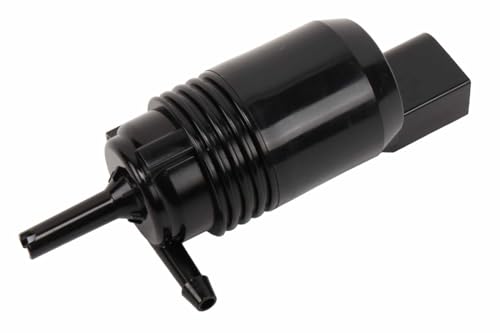
Leading Manufacturer Of High-Quality Products

Replaces OEM: #WG-318, 7R33-17664-DA, 7L8Z-17664-A, F6SZ-17664-A, F6SZ-17664-BA, F6SU17664DA, F7C617664AB, 8C3417664AA, 8C3Z17664A, Meets strict OEM standards
Prepare The Vehicle
- Park the Vehicle: Position your vehicle on a flat surface to prevent any movement while you work. Make sure the engine is off and the keys are removed.
- Disconnect the Battery: Locate the battery and use a wrench to disconnect the negative terminal. This step prevents any electrical hazards.
- Raise the Hood: Open the hood and secure it with the prop rod to access the washer fluid components properly.
Locate The Washer Fluid Pump
- Identify the Reservoir: Follow the washer fluid lines to the reservoir. The pump usually sits at the bottom of the reservoir.
- Check the Manual: Consult your vehicle’s manual for the exact location if you’re unsure. Sometimes, the position changes based on the make and model of your car.
Disconnecting The Pump
- Remove Electrical Connector: Gently pull away the electrical connector from the pump. It may require a small amount of pressure. Ensure you don’t damage the wiring.
- Detach Fluid Hoses: Carefully pull off the washer fluid hoses from the pump. You might need pliers to help grip the hoses. Be prepared for some fluid spillage, so keep a rag handy.
- Unscrew The Pump: Locate the screws or clips holding the pump to the reservoir. Use a screwdriver or wrench to remove them.
- Lift Out The Pump: Once unscrewed, lift the pump straight out of the reservoir. Inspect the old pump for any signs of wear or damage before discarding.
By following these steps, you’ll successfully remove the washer fluid pump, making way for necessary repairs or replacements.
Tips For Successful Removal
Successful removal of the washer fluid pump requires careful attention to detail and awareness of common pitfalls. Follow these tips for a smoother process.
Recommended Products

Fitment: Replacement for Toyota Prius 2004-2014 Camry 2007-2017 FJ Cruiser 2007-2014 Corolla 2009-2016 Highlander 2004-2013 Sienna 2004-2014, Lexus ES350 2007-2014, Ford Fusion 2006-2016 and more other car models

Ltem Type: Switches. Features: Pressure cortrller.

Fitment: Replacement for 2011 BMW 1 Series M, 2007 BMW 525i, 2006 BMW 325xi, 2007-2014 BMW 328i, 2008-2012 BMW M3, 2006-2010 BMW M5 M6
Avoiding Common Mistakes
- Forgetting Disconnection: Always disconnect the vehicle’s battery before starting. This prevents electrical issues during removal.
- Neglecting Hose Inspection: Check hoses for damage before disconnecting. Cracked or brittle hoses can break during removal.
- Over-tightening Screws: Avoid applying excessive force when unscrewing the pump. It may cause damage or strip the threads.
- Missing Tools: Ensure you have all necessary tools handy, like pliers and a socket set. Tools scattered around can complicate your work.
- Ignoring Safety Gear: Wear gloves and safety goggles. Protecting your hands and eyes is vital during the process.
- Regular Fluid Checks: Monitor washer fluid levels regularly. Keeping the fluid topped off prevents pump strain.
- Seasonal Inspections: Inspect the washer fluid system during seasonal maintenance. This can help identify problems before they escalate.
- Use Quality Fluids: Use manufacturer-recommended washer fluid. Superior fluids prevent clogs and damage to the pump.
- Clean the Nozzles: Periodically clean the washer nozzles. Clogged nozzles impede fluid distribution and increase pump workload.
- Pump Testing: Test the pump periodically by activating it. Listen for unusual sounds that may indicate wear or issues.
By following these tips, you can effectively remove your washer fluid pump and ensure its longevity through proper maintenance.
Conclusion
Removing your washer fluid pump can seem daunting but with the right tools and guidance you can tackle it with confidence. Remember to take your time and follow each step carefully to avoid any mishaps.
Regular maintenance and checks can save you from future headaches so keep an eye on your fluid levels and pump performance. By staying proactive you’ll ensure clear visibility on the road and a safer driving experience.
So roll up your sleeves and get started—your vehicle will thank you for it!
Frequently Asked Questions
What is the purpose of a washer fluid pump in a car?
The washer fluid pump is responsible for delivering washer fluid to the windshield and other areas to improve visibility while driving. It activates when you engage the windshield washer, ensuring a clear view by spraying fluid onto the glass.
What are common problems with washer fluid pumps?
Common issues with washer fluid pumps include clogs in the hoses, electrical failures, and damage to the pump itself. These problems can lead to inadequate fluid spraying and reduced visibility while driving.
How do I remove a washer fluid pump?
To remove a washer fluid pump, prepare your vehicle by disconnecting the battery. Locate the pump, detach electrical components and hoses, and unscrew the pump. Inspect it for any damage, and replace if necessary.
What tools do I need to replace a washer fluid pump?
You’ll typically need a socket or wrench set, screwdrivers, pliers, and potentially a flashlight for better visibility. Having these tools ready will make the removal and replacement process smoother.
How can I maintain a washer fluid pump?
For proper maintenance, monitor fluid levels, conduct seasonal inspections, use quality washer fluid, clean the nozzles, and periodically test the pump. Regular checks can help ensure the longevity of your washer fluid pump.
Why should I disconnect the battery before servicing the pump?
Disconnecting the battery is crucial for safety. It prevents accidental electrical shorts while working on the washer fluid pump and protects you from potential electrical shocks during the process.
How do I avoid damaging the washer fluid pump during removal?
To prevent damage, avoid over-tightening screws and carefully inspect hoses for wear before removal. Using the proper tools and following a step-by-step guide can also help ensure safe handling of the pump.
What should I do if my washer fluid pump isn’t working?
If your washer fluid pump isn’t working, check for clogs in the hoses or a blown fuse. If these don’t resolve the issue, consider inspecting the pump for damage or replacing it directly.
