

Have you ever faced a frustrating situation when your windshield washer fluid just won’t spray? It might be time to check or even replace the washer fluid reservoir. This task can seem daunting, but it doesn’t have to be.
Key Takeaways
- Essential Tools: Gather a socket set, ratchet wrench, screwdrivers, pliers, towel, safety goggles, and a drain pan for efficient reservoir removal.
- Safety First: Always wear protective gear, work in a well-ventilated area, disconnect the battery, and drain any fluid to ensure safety during the process.
- Step-by-Step Removal: Follow the outlined steps of preparing your vehicle, locating the reservoir, disconnecting hoses, removing fasteners, and finally lifting out the reservoir.
- Common Issues: Be aware of potential leaks from cracks in the reservoir or hoses, and know how to tackle stuck fasteners with penetrating oil.
- Maintenance Practices: Regularly check fluid levels, inspect hoses, clean nozzles, test the pump, and use appropriate washer fluid to prolong your windshield washer system’s life.
Tools You Will Need
Removing the windshield washer fluid reservoir requires specific tools to make the process efficient and straightforward. Gather the following items before starting:
- Socket Set: Use a metric or standard socket set for removing bolts connected to the reservoir. Common sizes include 10mm and 13mm.
- Ratchet Wrench: Employ a ratchet wrench for easier access to tight spaces. A longer handle provides extra leverage.
- Screwdriver: Equip yourself with both flathead and Phillips screwdrivers to remove any screws holding the reservoir.
- Pliers: Use pliers for disconnecting hoses and clamps that attach to the reservoir. Needle-nose pliers work well in confined areas.
- Towel or Rag: Keep a towel or rag handy to wipe any spilled fluid during the removal process.
- Safety Goggles: Protect your eyes by wearing safety goggles, especially when handling fluids and tools.
- Drain Pan: Position a drain pan beneath the reservoir to catch any remaining fluid while you disconnect it.
By having these tools at your disposal, you set yourself up for a smooth and efficient windshield washer fluid reservoir removal.
Recommended Products

Quick and easily to clean: Makes quick work of clearing obstructions from the windshield washer spray nozzle

RESTORE WINDSHIELD WASHER FUNCTION: This 12V windshield washer pump reservoir kit helps restore fluid delivery when the existing bottle is cracked or leaking, or the pump stops working. Check hoses and spray nozzles to confirm the cause before replacement.
Safety Precautions
Removing the windshield washer fluid reservoir requires careful planning to ensure your safety. Follow these guidelines:
- Wear Protective Gear: Always wear safety goggles to protect your eyes from debris. Gloves protect your hands from harsh chemicals.
- Work in a Well-Ventilated Area: Ensure good airflow when working on your vehicle. This reduces the risk of inhaling fumes from the washer fluid or any cleaning agents.
- Disconnect the Battery: Before starting any electrical work, disconnect the negative terminal of the battery. This prevents any accidental short circuits.
- Drain the Fluid: If the reservoir contains fluid, drain it into a drain pan first. Avoid spills to minimize slip hazards.
- Use Proper Tools: Utilize the tools listed previously, like a socket set and pliers. Using the correct tools minimizes the risk of damage and injury.
- Check for Leaks: Inspect the area around the reservoir for any fluid leaks. Cleaning spills immediately prevents slips and maintains a safe workspace.
- Ensure Stability: When removing components, ensure the vehicle is stable. Use jack stands if lifting the vehicle, and never rely solely on a hydraulic jack.
Following these safety precautions helps make the process smooth and secure.
Step-By-Step Guide
Follow these steps to successfully remove your windshield washer fluid reservoir.
Recommended Products

Direct replacement - this washer fluid reservoir cap is designed to match the fit and function of the original cap on specified vehicles

Fitment: Fit for Toyota Corolla 50th Anniversary Special Edition 2017, Corolla Base 2019, Corolla Le Eco Plus 2014, Corolla S 2014-2016, 2019, Corolla Special Edition 2016
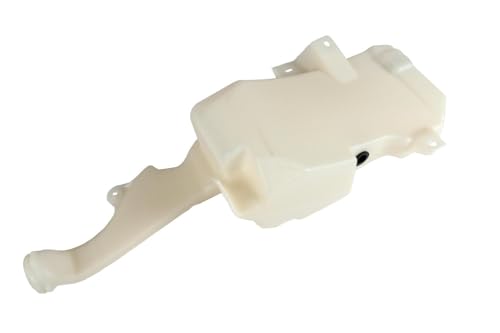
Some GM Genuine Parts may have formerly appeared as ACDelco GM Original Equipment (OE)
Preparing Your Vehicle
Park your vehicle on a flat surface and set the parking brake. Ensure the engine is off and cooled down. Wear safety goggles and gloves to protect yourself. Disconnect the battery by removing the negative terminal. This prevents any electrical accidents while you work.
Locating the Reservoir
Find the windshield washer fluid reservoir under the hood. It’s usually a translucent plastic container labeled with a windshield symbol. Check the owner’s manual if you’re unsure of its location. Familiarize yourself with adjacent components to avoid damage during removal.
Disconnecting the Hoses
Identify the hoses connected to the reservoir. Squeeze the hose clamps to release them. Gently pull the hoses off the reservoir. Be prepared for any remaining fluid to spill, so keep a container handy to catch spills.
Removing the Fasteners
Locate the fasteners securing the reservoir, which could be screws, clips, or bolts. Use a socket wrench or screwdriver as necessary to remove them. Keep these fasteners organized for easy reinstallation.
Taking Out the Reservoir
Carefully lift the reservoir out with both hands. Tilt it slightly to ensure no fluid remains lodged inside. Inspect the reservoir for cracks or damage before disposing of or replacing it. Set it aside in a safe location to make room for a new reservoir if needed.
Common Issues and Solutions
When working on the windshield washer fluid reservoir, you may encounter some common problems. Here are solutions to help you through these challenges.
Recommended Products

HIGH QUALITY MATERIAL: The windshield washer hose kit is made of high quality rubber, soft and elastic, strong and durable.
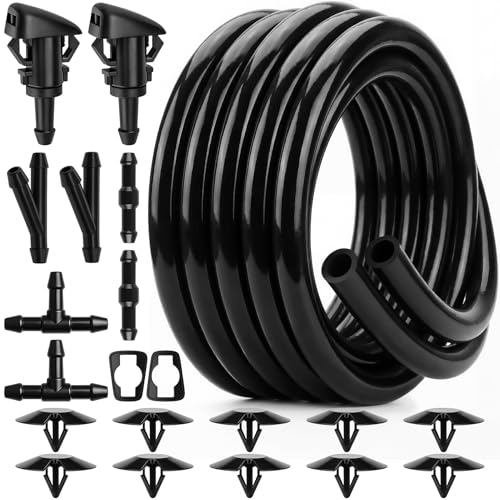
Durable Replacement Washer Hose Kit: Made of flexible rubber hose and tough plastic fan nozzles, resistant to cracking and corrosion, designed to replace aging or leaking windshield washer tubing and restore normal washer fluid flow.

Replaces part numbers: CV6Z-17618-D, CV6Z17618D
Leaks and Cracks
Leaks can often stem from cracks in the reservoir or deteriorated hoses. Inspect the reservoir closely for visible damage. If you spot a crack, replacing the reservoir is necessary to prevent fluid from leaking onto other components. For hoses, ensure they are secure and not worn. Use a hose clamp if there’s a loose connection to stop leaks effectively.
Difficulty in Removing Fasteners
Removing fasteners may pose a challenge due to rust or corrosion. If you struggle with a stuck fastener, apply a penetrating oil to ease the process. Let it sit for a few minutes for better results. If a fastener breaks, you can use a screw extractor to remove the remnants. Keeping the right tools on hand, like a ratchet and socket set, can simplify this task significantly.
Maintenance Tips for Windshield Washer System
Keeping your windshield washer system in top shape ensures clear visibility while driving. Follow these maintenance tips to prolong the life of your system and avoid common issues.
Regularly Check Fluid Levels
Check the windshield washer fluid level every few weeks. If it’s low, refill it with a washer fluid suitable for your climate. Winter blends help prevent freezing.
Inspect Hoses and Connections
Inspect hoses and connections for wear and tear. Look for cracks or leaks. Replace any damaged hoses immediately to prevent fluid loss.
Clean the Nozzles
Clean the washer nozzles regularly. Use a pin to clear any blockages. This ensures an even spray, improving effectiveness.
Test the Pump
Test the washer pump periodically. Turn on your washer and listen for the pump’s sound. If you don’t hear it, the pump needs inspection or replacement.
Use the Right Fluid
Use only recommended washer fluid types. Avoid using water alone, as it can freeze or grow mold. Specialized fluids contain detergents that help clean your windshield.
Maintain the Reservoir
Replace the washer fluid reservoir if you detect cracks or leaks during inspection. Keeping a clean reservoir helps prevent clogs in your system.
Winter Maintenance
During winter, consider using a winter-grade washer fluid. This fluid prevents freezing and maintains effective spray even in cold weather.
By following these maintenance tips, you can ensure your windshield washer system operates efficiently, keeping your view clear and safe on the road.
Conclusion
Removing the windshield washer fluid reservoir might seem daunting but it’s a task you can handle with a bit of patience and the right tools. By following the steps outlined and keeping safety in mind you’ll not only fix the issue but also ensure your vehicle’s washer system runs smoothly. Regular maintenance is key to avoiding future problems so take the time to check your fluid levels and inspect your hoses. With a little care you’ll keep your windshield clear and your driving experience safe. Happy fixing!
Frequently Asked Questions
What should I do if my windshield washer fluid is not spraying?
If your windshield washer fluid is not spraying, check the washer fluid reservoir. It may need to be refilled or replaced. Inspect the hoses for cracks and ensure the pump is functioning properly.
How do I safely remove the windshield washer fluid reservoir?
To safely remove the washer fluid reservoir, wear protective gear like goggles and gloves. Work in a well-ventilated area, disconnect the battery, and drain the fluid before proceeding with the removal.
What are common issues with windshield washer reservoirs?
Common issues include leaks, cracks, and deteriorated hoses. Inspect the reservoir for visible damage, and replace it if necessary. For hose problems, secure connections with hose clamps.
How can I fix stuck fasteners when removing the reservoir?
Use penetrating oil to loosen rusted fasteners. If the fasteners break, consider using screw extractors for removal. Having the right tools like a ratchet and socket set can make the process easier.
What maintenance tips can I follow for my windshield washer system?
Regularly check the fluid levels and inspect hoses and connections for wear. Clean the nozzles and test the pump often. Consider using winter-grade washer fluid in cold weather for optimal performance.
