

Have you ever found yourself wondering how to keep your vehicle running smoothly, especially when it comes to your transfer case? If you’ve noticed strange noises or shifting issues, it might be time to check the fluid levels. Maintaining proper fluid levels is crucial for the health of your vehicle’s drivetrain, and it can save you from costly repairs down the road.
Key Takeaways
- Understanding the transfer case is essential for maintaining your vehicle’s drivetrain, as it plays a critical role in distributing power to the axles.
- Regularly checking and maintaining proper fluid levels is crucial to avoid overheating, unusual noises, and shifting issues in the transfer case.
- Common signs of low fluid levels include grinding noises, difficulty shifting, warning lights, and potential fluid leaks which should be addressed immediately.
- Adding fluid to the transfer case involves a straightforward process, including using the correct type of fluid and tools, and inspecting the fluid level regularly.
- Following routine maintenance practices, such as regular fluid checks and timely fluid changes, can prolong the life of your transfer case and improve overall vehicle performance.
Understanding the Transfer Case
The transfer case plays a vital role in your vehicle’s drivetrain. It distributes power from the transmission to the front and rear axles, enabling four-wheel drive functionality. Understanding its components and functions helps you maintain it effectively.
What Is a Transfer Case?
A transfer case is a crucial part of four-wheel drive (4WD) or all-wheel drive (AWD) systems. It houses gears that shift power between the front and rear axles, allowing for better traction and control. Transfer cases come in two main types:
- Part-Time: Engages only when needed, improving fuel efficiency.
- Full-Time: Powers all wheels continuously, providing consistent traction.
Importance of Proper Fluid Levels
Maintaining proper fluid levels in your transfer case ensures smooth operation and optimal performance. Low fluid levels can lead to overheating and excessive wear. Regularly checking and replacing fluid prevents problems like:
- Strange Noises: Low fluid may cause grinding or whining sounds.
- Shifting Issues: Inadequate lubrication makes it difficult to switch between 2WD and 4WD.
Aim to check fluid levels every 30,000 miles or as specified in your vehicle’s manual. Taking these proactive steps can help avoid costly repairs and extend the life of your transfer case.
Signs You Need to Add Fluid
Recognizing signs of low transfer case fluid helps you maintain your vehicle’s performance. Monitor these symptoms closely to ensure the smooth operation of your transfer case.
Recommended Products

Full-synthetic transfer case fluid for on-demand and full-time AWD/4x4 systems across European, Asian and US OEMs. Applications include Porsche Cayenne/Macan, BMW xDrive, Audi Quattro, Land Rover/Range Rover, Nissan, Mercedes-Benz 4MATIC (MB 239.41 Torque-on-Demand), Genesis/Kia TF-0870B (G70, G80, G90, Stinger AWD).

Specifically approved for use in GM automatic four-wheel drive vehicles with transfer cases

Common Symptoms of Low Fluid
- Strange Noises: You may hear grinding or whining sounds when engaging or shifting gears. These noises indicate insufficient lubrication due to low fluid levels.
- Difficulty Shifting: If you struggle to shift between drive modes or notice that the vehicle hesitates, low fluid could be the cause. Proper fluid levels are essential for smooth transitions.
- Warning Lights: Pay attention to dashboard warning lights. If the transfer case warning light illuminates, check the fluid level immediately.
- Temperature Fluctuations: If the transfer case overheats, it might signal low fluid. Excess heat can lead to increased wear and potential damage.
- Fluid Leaks: Look for signs of fluid stains under the vehicle. A noticeable leak might result in low fluid levels, affecting transfer case performance.
- Increased Wear: Low fluid accelerates wear on components, leading to costly repairs. Regular fluid checks prevent this issue.
- Overheating: Insufficient fluid can cause the transfer case to overheat. This increases the risk of component failure, impacting overall vehicle performance.
- Reduced Traction: Low fluid levels can diminish your vehicle’s ability to distribute power efficiently. This reduction affects traction and may compromise safety, especially in slippery conditions.
- Potential Damage: Ignoring low fluid signs may result in severe damage to the transfer case, necessitating expensive repairs or replacements.
Stay attentive to these signs and address low fluid levels promptly to maintain your vehicle’s performance and longevity.
How to Put Fluid in Transfer Case
Adding fluid to your transfer case is a straightforward process that helps maintain optimal performance. Regular checks and top-ups can prevent potential issues down the road.
Recommended Products

Provides excellent resistance against clutch slippage for extended transmission life

Meets the challenging demands of different all-wheel and four-wheel drive vehicles with multi-powered axles
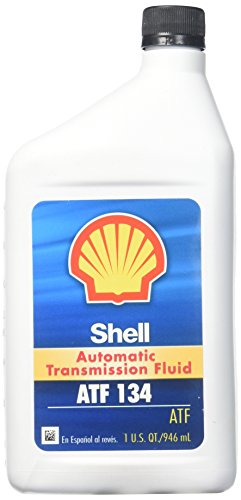
Shell ATF 134 Mercedes Benz Transmission Fluid 236.14 236.12
Tools and Materials Needed
- Transfer Case Fluid – Use the type specified in your owner’s manual. Common options include automatic transmission fluid (ATF) or specialized transfer case fluids.
- Funnel – A funnel helps avoid spills while pouring.
- Rags or Towels – Keep these handy to clean up any potential mess.
- Wrench or Socket Set – Required to remove the fill plug, depending on your vehicle’s make and model.
- Safety Goggles and Gloves – Protect yourself while working.
- Park Your Vehicle on Level Ground
Ensure your vehicle is stable, making it easy to check fluid levels. - Locate the Transfer Case
Find the transfer case beneath your vehicle. Refer to your owner’s manual for its specific location. - Remove the Fill Plug
Use your wrench to loosen and remove the fill plug. Ensure you place it in a safe location to avoid losing it. - Check the Fluid Level
Insert a finger into the fill hole. If you feel fluid, it’s at the correct level. If not, proceed to the next step. - Add Fluid
Using a funnel, pour the specified fluid into the fill hole until it reaches the proper level. Avoid overfilling, as this can cause leaks. - Replace the Fill Plug
Once the fluid is added, securely replace the fill plug. Tighten it with a wrench to prevent leaks. - Clean Up
Wipe off any spills with rags or towels and dispose of any waste fluid according to local regulations. - Test Drive
Take your vehicle for a short drive to ensure the transfer case operates smoothly and check for any leaks around the fill plug.
Following these steps ensures your transfer case remains well-maintained, promoting longevity and performance.
Tips for Maintaining Your Transfer Case
Maintaining your transfer case ensures optimal performance and longevity. Follow these tips to keep your system running smoothly.
Recommended Products

Tough & flexible:bends, twists, shapes to fit any space. Withstands extreme temps (-31°F–221°F). No cracking, warping, or leaking with motor oil, gas, or industrial fluids.

Heavy duty, flexible construction

55 Gallon Drum Drain Funnel
Recommended Fluid Types
Using the correct fluid type is essential. Always refer to your vehicle’s owner manual for specifications. Common fluid types include:
- Automatic Transmission Fluid (ATF): Many transfer cases use ATF, such as Dexron or Mercon.
- Transfer Case Fluid: Some vehicles require specialized transfer case fluid for optimal performance.
- Gear Oil: Certain models use gear oil, typically 75W-90 or 80W-90 viscosity.
Ensure to check compatibility with your specific model before making a purchase.
Routine Maintenance Practices
Performing regular maintenance prolongs the life of your transfer case. Incorporate the following practices into your routine:
- Check Fluid Levels: Inspect fluid levels every 30,000 miles or during oil changes. Add fluid as needed.
- Look for Leaks: Regularly inspect for fluid leaks underneath your vehicle. Address leaks promptly.
- Change Fluid Regularly: Replace transfer case fluid based on your vehicle’s maintenance schedule. Often, every 50,000 to 75,000 miles is recommended.
- Clean Filters and Screens: Some transfer cases feature filters or screens. Clean or replace them during fluid changes to prevent clogs.
Following these tips will help maintain your transfer case in excellent condition, minimizing the risk of costly repairs.
Conclusion
Taking care of your transfer case is key to keeping your vehicle running smoothly. Regularly checking and topping off the fluid can save you from frustrating issues down the line. Remember to use the right type of fluid and stay alert for any signs of trouble.
With a little attention and routine maintenance you can ensure your transfer case performs at its best. This not only enhances your driving experience but also extends the life of your vehicle. So keep those fluid levels in check and enjoy the ride!
Frequently Asked Questions
What is the role of the transfer case in a vehicle?
The transfer case is essential for vehicles equipped with four-wheel drive. It distributes power from the transmission to all four wheels, enabling enhanced traction and control on various terrains. Proper functioning of the transfer case is vital for optimal performance in adverse conditions.
Why is maintaining fluid levels in the transfer case important?
Maintaining proper fluid levels in the transfer case prevents issues like strange noises, shifting problems, and overheating. Adequate fluid lubricates components, ensuring smooth operation and longevity of the transfer case, which can save you from costly repairs.
How can I tell if my transfer case fluid is low?
Signs of low transfer case fluid include unusual noises when shifting, difficulty engaging four-wheel drive, or warning lights on your dashboard. If you notice these symptoms, it’s crucial to check your fluid levels promptly to avoid further damage.
What type of fluid should I use for my transfer case?
The type of fluid required for your transfer case depends on your vehicle’s specifications. Common options include Automatic Transmission Fluid (ATF), Transfer Case Fluid, or Gear Oil. Always check your owner’s manual for the manufacturer’s recommendations.
How often should I check my transfer case fluid levels?
It’s advisable to check your transfer case fluid levels at least every 30,000 miles or as part of regular maintenance schedules. Regular checks help ensure optimal performance and allow you to catch any potential issues early.
What maintenance practices help keep my transfer case in good condition?
To maintain your transfer case: regularly check fluid levels, look for leaks, change the fluid as needed, and clean or replace filters. Following these practices ensures optimal performance and extends the lifespan of your transfer case.
