

Have you ever found yourself scraping ice off your windshield only to realize your washer fluid’s frozen solid? You’re not alone. Many drivers face this frustrating situation during the chilly months when the roads are slick and visibility is crucial.
Key Takeaways
- Understanding Winter Washer Fluid: Winter washer fluid is designed to prevent freezing and ensure clear visibility in cold weather, using antifreeze agents like methanol or isopropanol.
- Benefits of Usage: It significantly improves visibility by removing grime, ice, and snow while protecting the vehicle’s washing components from freezing.
- Homemade Solutions: Making your own winter washer fluid is easy and cost-effective using common ingredients such as water, isopropyl alcohol, dish soap, and optional vinegar.
- Step-by-Step Creation: Follow a simple mixing process of the ingredients and store the fluid properly in a labeled container for effective use throughout the winter.
- Safety First: Always wear protective gear, work in a ventilated area, and dispose of any waste responsibly to ensure a safe DIY experience.
What Is Winter Washer Fluid?
Winter washer fluid is a specialized liquid designed to keep your windshield clear during cold, icy conditions. Unlike standard washer fluid, winter washer fluid has antifreeze properties that prevent it from freezing in low temperatures. This ensures you can effectively clean your windshield, maintaining clear visibility when driving.
These fluids often contain methanol or isopropanol, which lowers the freezing point. Typically, winter washer fluid operates effectively in temperatures as low as -20°F to -30°F. Using the right fluid helps avoid the frustration of having your washer jets freeze when you need them most.
You can find winter washer fluid at most auto parts stores or online. Many brands offer concentrated formulas, effectively diluting with water for optimal performance. Always check the label for specific temperature ratings to ensure it meets your driving needs during winter.
Benefits Of Using Winter Washer Fluid
Using winter washer fluid provides essential advantages for maintaining safe driving conditions during cold weather. It enhances visibility and protects your vehicle’s components.
Recommended Products

EXTREME COLD PROTECTION: Formulated to provide reliable -20°F freeze protection, keeping your windshield washer system functioning in harsh winter conditions

advanced Water beading technology leaves no streaks and is glare free

Trusted Formula for Over 30 Years: Kristall Klar has been the choice for those who want a crystal clear view of the road ahead without the streaks and smears typical of standard washer fluids
Improved Visibility
Improved visibility is crucial for safe driving. Winter washer fluid effectively removes road grime, ice, and snow from your windshield, ensuring a clear view. It helps prevent blind spots and allows you to see other vehicles, pedestrians, and road signs clearly. Regular use of winter washer fluid keeps your windshield clean even in challenging weather conditions, giving you confidence on the road.
Protection Against Freezing
Protection against freezing is a key benefit of winter washer fluid. Standard washer fluids often freeze in low temperatures, creating a hazardous situation for drivers. Winter washer fluid contains antifreeze agents, like methanol or isopropanol, which lower its freezing point to around -20°F to -30°F. This property ensures that your washer fluid remains functional, even in frigid conditions, enabling effective cleaning without the risk of damaging your washer system.
Ingredients Needed For Homemade Winter Washer Fluid
Creating your own winter washer fluid is simple and cost-effective. You’ll need a few basic ingredients that may already be in your home or can be easily found at the store.
Recommended Products
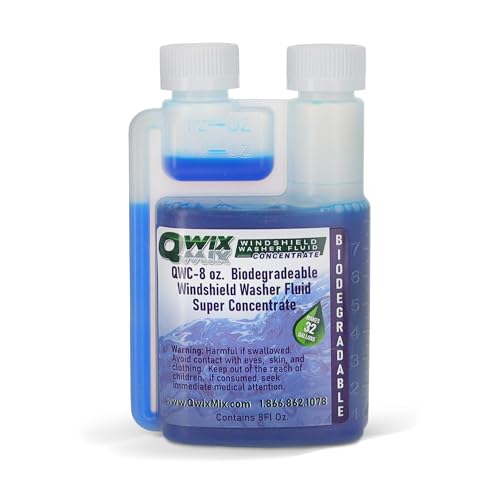
[Super Concentrated Savings] Qwix Mix windshield washer fluid concentrate makes up to 55 gallons of premium windshield washer fluid from one 8 oz bottle, saving money versus pre-mixed windshield washer fluids

SUPER CONCENTRATED WASHER FLUID: 16 fl oz washer fluid bottle makes 165 gallons of summer blend washer fluid. Just pump three times per gallon of water, directly into your windshield washer fluid tank.

Melts ice & frost fast, -34 degrees F protection
Common Household Ingredients
- Water: Start with distilled or tap water. Your mixture will dilute easily with the right water.
- Alcohol: Use one cup of isopropyl alcohol (70% or above) or ethanol. This lowers the freezing point and helps to melt ice.
- Dish Soap: Add a few drops of liquid dish soap for cleaning power. Choose a biodegradable option for environmental safety.
- Vinegar (optional): For extra cleaning, consider one cup of white vinegar. It helps remove grime and adds antifreeze properties.
- Commercial Windshield Washer Concentrate: If you’re short on time or ingredients, purchase a concentrated washer fluid. Follow label instructions for dilution.
- Methanol: This is another effective antifreeze agent. Be cautious and use in moderation, as it’s toxic.
- Essential Oils (optional): For a pleasant scent, consider adding a few drops of essential oils like lemon or eucalyptus. This enhances your driving experience without interfering with performance.
By gathering these ingredients, you’ll effectively create a homemade winter washer fluid that keeps your windshield clean and clear throughout those frosty months.
Step-By-Step Guide On How To Make Winter Washer Fluid
Creating your own winter washer fluid is simple and cost-effective. Follow these steps to ensure your windshield stays clean and clear this winter.
Recommended Products

Add to existing washer fluid

Peace of Mind: Get complete 2-in-1 protection with a Winter De-Icer and Summer Bug Wash that can tackle any condition.

32°F+ Summer Blend: Ideal for warm-weather driving conditions while maintaining optimal cleaning power
Mixing The Ingredients
- Gather Supplies: Collect water, isopropyl alcohol (at least 70%), dish soap, and vinegar.
- Measure Water: Use one quart (about 1 liter) of water as the base.
- Add Alcohol: Mix in one cup (approximately 240 ml) of isopropyl alcohol. This ingredient helps prevent freezing.
- Include Dish Soap: Add one tablespoon of dish soap for grease-cutting power.
- Incorporate Vinegar: If desired, mix in one tablespoon of vinegar to enhance cleaning properties.
- Blend Well: Stir the mixture thoroughly to ensure all ingredients are combined.
- Choose Containers: Use a clean, empty windshield washer fluid bottle or a gallon jug for storage.
- Label Clearly: Write “Winter Washer Fluid” on the container to avoid confusion.
- Store in a Cool Place: Keep the fluid in a cool, dry area to maintain effectiveness. Avoid direct sunlight.
- Check Regularly: Inspect the container for leaks or damage before each use.
- Use Quickly: For optimal performance, use the washer fluid within a month or two.
By following these straightforward steps, you’ll create effective winter washer fluid that keeps your visibility clear during frosty conditions.
Safety Precautions
When making winter washer fluid, safety is essential. Follow these precautions for a smooth and secure process:
Use Protective Gear
- Gloves: Wear rubber gloves to protect your skin from chemicals.
- Mask: Use a mask if you’re sensitive to strong fumes, especially when handling alcohol.
Work in a Ventilated Area
- Open Windows: Ensure good airflow by working near an open window or outside.
- Avoid Fumes: Stay away from areas with poor ventilation to minimize inhaling harmful vapors.
Store Ingredients Properly
- Sealed Containers: Keep all ingredients in clearly labeled, sealed containers.
- Away from Heat: Store away from heat sources and sunlight to prevent chemical reactions.
Dispose of Waste Responsibly
- Leftover Fluid: Don’t pour unused washer fluid down the drain. Instead, follow local disposal guidelines.
- Clean Spills: Wipe up any spills immediately to prevent slips and falls.
- Secure Location: Store all materials out of reach of children and pets to avoid accidental ingestion.
- Explain Dangers: If children are present, explain the importance of not touching any supplies.
By following these safety precautions, you can ensure a safe and efficient process while making winter washer fluid.
Conclusion
Making your own winter washer fluid is a simple and rewarding process. You can save money while ensuring your vehicle stays safe and visible during those chilly months. With just a few common ingredients and some basic precautions you can whip up an effective solution that keeps your windshield clear of ice and grime.
Remember to always prioritize safety while mixing your fluid and store it properly to avoid any accidents. By taking these steps you’re not only enhancing your driving experience but also contributing to a safer road environment for everyone. So gather your supplies and get started on your homemade winter washer fluid today!
Frequently Asked Questions
What is winter washer fluid?
Winter washer fluid is a specially formulated liquid that prevents freezing during cold weather, ensuring your vehicle’s windshield remains clear for safe driving. It typically contains antifreeze properties to lower the freezing point.
How can I prevent my washer fluid from freezing?
To prevent washer fluid from freezing, use winter washer fluid with antifreeze. Alternatively, you can create a homemade version using water, alcohol, dish soap, and vinegar, which helps lower the freezing point.
What ingredients do I need for homemade winter washer fluid?
You will need water, rubbing alcohol (isopropyl), dish soap, and vinegar to create homemade winter washer fluid. These ingredients work together to provide a cost-effective solution for keeping your windshield clear in cold weather.
Are there safety precautions I should take?
Yes, when making homemade winter washer fluid, wear gloves and a mask, work in a well-ventilated area, store ingredients safely, dispose of waste responsibly, and keep materials out of reach of children and pets to ensure safety.
How does homemade washer fluid compare to store-bought options?
Homemade washer fluid can be just as effective as store-bought options, offering cost savings and the convenience of using common household ingredients. However, ensure you follow proper measurements for optimal results.
