

Have you ever reached for your windshield washer fluid on a chilly morning only to find it frozen solid? It’s frustrating when you need a clear view but your washer fluid won’t cooperate.
Making your own windshield washer fluid that can withstand freezing temperatures is easier than you think. Not only will it save you money, but it also gives you control over the ingredients, ensuring you have a reliable solution when you need it most.
Key Takeaways
- Homemade Solutions: Creating your own windshield washer fluid is simple and cost-effective, using common ingredients like isopropyl alcohol and dish soap.
- Essential Ingredients: Use distilled water, at least 70% isopropyl alcohol, and a small amount of dish soap for optimal freezing resistance and cleaning power.
- Mixing Instructions: Maintain a proper ratio (1:2) of isopropyl alcohol to water, and mix thoroughly to ensure an effective and uniform solution.
- Storage Best Practices: Store your homemade fluid in a sealed, labeled container in a cool, dark place to maintain its effectiveness and prevent freezing.
- Regular Maintenance: Check your washer fluid monthly, replacing it as necessary to ensure consistent performance throughout winter.
- Visually Inspect: Always inspect the fluid before use; if it appears cloudy or separated, it’s time to replace it for safe driving visibility.
Understanding Windshield Washer Fluid
Understanding the components and functions of windshield washer fluid is essential for maintaining visibility and safety while driving. This section details its importance and different types available, helping you choose the right solution.
Importance of Windshield Washer Fluid
Windshield washer fluid plays a vital role in keeping your windshield clear. It helps remove dirt, grime, and even bug splatter, ensuring you maintain optimal visibility. During winter, it becomes even more critical, as ice and snow can accumulate on your windshield, obstructing your view. Using a fluid that won’t freeze guarantees that you can clean your windshield effectively, regardless of outdoor temperatures. Having reliable washer fluid on hand can enhance your overall driving safety.
Types of Windshield Washer Fluid
Several types of windshield washer fluid exist, each with specific properties suited for various conditions:
- Standard Washer Fluid
Standard washer fluid contains a mixture of water, methanol, and cleaning agents. It’s suitable for most weather conditions but may freeze in extremely cold temperatures. - Antifreeze Washer Fluid
Antifreeze washer fluid includes glycol-based components, preventing freezing. This type works well in frigid climates. - Premium Washer Fluid
Premium options often contain additional cleaning agents and detergents designed to tackle tough stains, such as bird droppings or tree sap. They might also include antifreeze properties. - Homemade Solutions
You can easily create your washer fluid using basic ingredients like water, isopropyl alcohol, and dish soap. Adjusting the alcohol content can enhance freeze resistance.
Understanding these types helps you select a fluid that best meets your needs and climate conditions, ensuring your vehicle remains safe and functional all year round.
Ingredients for Homemade Washer Fluid
Making your own windshield washer fluid is simple and effective. Gather the following ingredients to create a solution that won’t freeze during harsh weather.
Recommended Products

advanced Water beading technology leaves no streaks and is glare free

CarPlan Demon Shot 500ml (17 fl oz) can be added to your current screenwash to boost the freezing performance when the temperature drops unexpectedly, alternatively, the super concentrated formula can be used to make 25L (845 fl oz) of screenwash.

Melts ice & frost fast, -34 degrees F protection
Essential Components
- Water: Use distilled water for the best results. Tap water can contain minerals that may clog the washer system over time.
- Isopropyl Alcohol: This serves as the antifreeze agent. Use a concentration of at least 70% for optimal performance in freezing temperatures.
- Dish Soap: A small amount of mild dish soap helps break down grime and dirt. Choose a non-bleach formula to avoid damage to your vehicle’s paint.
- Vinegar: A cup of vinegar can enhance cleaning power and prevent freezing. However, limit this to avoid potential damage to surfaces.
- Essential Oils: A few drops of essential oils can leave a pleasant scent and add a bit of antimicrobial properties. Be cautious with quantities to prevent residue buildup.
- Food Coloring: A drop can help identify the solution in case of spills. This is purely for visual purposes.
Mix these ingredients in a clean container, and adjust quantities based on your needs. Store the fluid in a marked container for easy access when you need it.
How to Make Windshield Washer Fluid That Won’t Freeze
Creating a homemade windshield washer fluid that resists freezing is straightforward. With the right ingredients and a few simple steps, you’ll ensure your windshield remains clear, even in cold temperatures.
Recommended Products

Removes and repels the toughest road grime

EFFORTLESS CLEANING: Enjoy hassle-free maintenance with ABRO's pre-mixed windshield wiper fluid formula, saving you time and effort in preparing the solution for streak-free clarity.
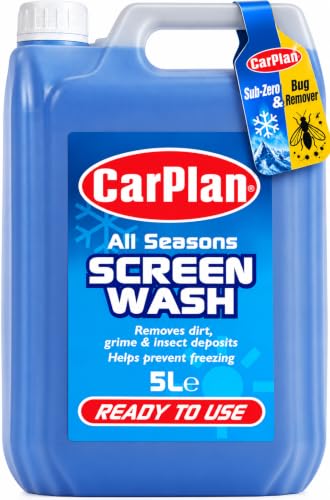
READY TO USE FORMULA: Pre-mixed 169 Fl Oz windshield washer fluid saves time and effort with no dilution needed; simply pour and go for instant cleaning performance.
Step-by-Step Instructions
- Gather Ingredients:
- 1 cup of isopropyl alcohol (at least 70% concentration)
- 1 tablespoon of dish soap
- 2 cups of distilled water
- Mix Ingredients:
- Pour the distilled water into a mixing container.
- Add the isopropyl alcohol to the water slowly.
- Mix in the dish soap gently to avoid excessive suds.
- Stir Thoroughly:
- Use a spoon or a stick to stir the mixture until all ingredients blend well. Ensure no clumps remain.
- Transfer to a Storage Container:
- Use a funnel to pour the mixture into a clean, empty windshield washer fluid container. A spray bottle can also work if you want flexibility in application.
- Label Your Container:
- Clearly label your homemade washer fluid container. Include the date and ingredients for safety.
- Use Distilled Water: Distilled water helps prevent mineral deposits that can clog your washer system.
- Keep Ratios Consistent: Maintain a 1:2 ratio of isopropyl alcohol to water for optimal freezing resistance.
- Store in a Cool Place: Store the fluid in a shaded and cool area to preserve its effectiveness.
- Check for Consistency: Ensure the mixture is uniform without clumps for efficient use.
By following these steps and tips, you create a reliable windshield washer fluid to keep you safe while driving in winter conditions.
Storage and Usage Tips
Proper storage and regular maintenance of your homemade windshield washer fluid ensure its effectiveness throughout winter. Here are some best practices to follow.
Best Practices for Storage
- Use a Sealed Container: Choose a container with a tight seal. This prevents contamination and evaporation.
- Store in a Cool Place: Keep the fluid in a cool, dark location. Heat can degrade the fluid and affect its performance.
- Label Your Container: Clearly mark your container with the contents and date made. This helps you track freshness.
- Check Consistency: Before use, inspect the fluid for uniform consistency. If you notice separation, shake gently to recombine.
- Monthly Checks: Examine your washer fluid every month. Replenish or replace as needed, especially after using it frequently.
- Temperature Changes: If temperatures drop significantly, check your fluid. It’s best to replace it if you suspect it could freeze.
- Visual Inspection: If the fluid appears cloudy or dirty, replace it. Contaminated fluid can damage your windshield and wipers.
- End of Season: Replace the fluid at the start of spring. This prevents any residue or degradation from affecting effectiveness in warmer months.
Following these tips enhances the reliability of your DIY windshield washer fluid throughout winter.
Conclusion
Making your own windshield washer fluid that won’t freeze is a simple and rewarding task. You gain control over the ingredients while saving money in the process. With just a few easy steps you can ensure your visibility stays clear even in the coldest weather.
By following the storage and usage tips you’ll keep your solution effective throughout the winter. Regular checks and proper labeling will help you stay prepared for any conditions that come your way.
So get started on your DIY windshield washer fluid and drive with confidence this winter!
Frequently Asked Questions
What causes windshield washer fluid to freeze?
Windshield washer fluid can freeze due to low temperatures, especially if it’s water-based and lacks antifreeze components. In freezing conditions, the liquid can solidify, making it ineffective for clearing your windshield.
How can I prevent windshield washer fluid from freezing?
To prevent freezing, you can create a DIY windshield washer fluid with antifreeze ingredients like vinegar or rubbing alcohol. These additives lower the freezing point, keeping the fluid effective even in cold weather.
What are the benefits of making homemade windshield washer fluid?
Making your own windshield washer fluid saves money and allows you to control the ingredients used. You can customize the solution to ensure it meets your specific needs, enhancing your vehicle’s performance during winter.
What should I consider when storing homemade washer fluid?
Store your homemade washer fluid in sealed containers away from direct sunlight and extreme temperatures. Label containers and conduct monthly checks to ensure it remains clear and effective.
How do I know when to replace my windshield washer fluid?
Replace your windshield washer fluid if it shows cloudiness, dirt, or any unusual consistency. Also, consider replacing it at the end of each season to ensure optimal performance during changing weather conditions.
