

Have you ever found yourself struggling with streaky windows on a chilly morning? It’s frustrating when your windshield washer fluid freezes, leaving you with a less-than-clear view. Luckily, you can easily make your own antifreeze washer fluid at home, saving you time and money.
Key Takeaways
- Homemade Antifreeze Benefits: Creating your own windshield washer fluid antifreeze is cost-effective and customizable, allowing for tailored solutions to meet specific needs.
- Key Ingredients: The essential components include distilled water, isopropyl alcohol (at least 70%), and Dawn dish soap, which work together to prevent freezing and maintain cleanliness.
- Simple Instructions: Mix three parts distilled water with one part isopropyl alcohol, add a few drops of dish soap, and transfer the mixture into the vehicle’s washer fluid reservoir for optimal use.
- Adjust for Climate: For extremely cold conditions, consider increasing the isopropyl alcohol ratio to enhance freeze resistance, ensuring the fluid remains effective even at very low temperatures.
- Safety Precautions: Use gloves and goggles during preparation, work in a well-ventilated area, and keep all ingredients stored away from children and pets to ensure a safe DIY experience.
- Regular Maintenance: Check fluid levels monthly, and replace or test the mixture’s effectiveness to ensure clear visibility while driving during winter months.
Understanding Windshield Washer Fluid Antifreeze
Windshield washer fluid antifreeze prevents your fluid from freezing during cold weather, ensuring optimal visibility. You can create your own antifreeze washer fluid using common household ingredients, allowing for a budget-friendly solution.
Key Ingredients
- Water: Use distilled water to avoid mineral buildup in your system.
- Isopropyl Alcohol: This acts as an antifreeze agent. Choose a concentration of at least 70%.
- Dawn Dish Soap: Add a small amount for cleaning power and streak prevention.
Step-by-Step Instructions
- Mix Ingredients: Combine three parts water with one part isopropyl alcohol in a clean container.
- Add Soap: Stir in a few drops of Dawn dish soap for effective cleaning.
- Transfer to Reservoir: Pour the mixture into your vehicle’s windshield washer fluid reservoir.
Essential Ratios
| Ingredient | Ratio |
|---|---|
| Distilled Water | 3 parts |
| Isopropyl Alcohol | 1 part |
| Dawn Dish Soap | A few drops |
Benefits of Homemade Antifreeze
- Cost-Effective: Making your own fluid can save money compared to commercial products.
- Customizable: Tailor the blend to meet your specific needs.
- How Often Should You Replace It?: Check your fluid levels monthly and refill as needed, especially before winter.
- Does It Work for All Temperatures?: This mixture is effective for temperatures as low as -20°F (-29°C). For colder climates, increase the proportion of isopropyl alcohol.
Using these guidelines, you’ll maintain a clear windshield throughout winter, enhancing your driving safety.
Necessary Ingredients
Creating your own windshield washer fluid antifreeze requires a few key ingredients that are easy to find. Using the right components ensures effectiveness and safety during harsh winter conditions.
Recommended Products

Removes and repels the toughest road grime

advanced Water beading technology leaves no streaks and is glare free

Melts ice & frost fast, -34 degrees F protection
Common Ingredients
- Distilled Water: Use distilled water to prevent mineral buildup in your washer system. Tap water may contain impurities that can clog the system over time.
- Isopropyl Alcohol: Choose isopropyl alcohol, ideally 70% to 91%, for its freezing point depression properties. This ingredient helps lower the freezing point of your fluid significantly.
- Dawn Dish Soap: Add a few drops of Dawn dish soap to break down grime and improve cleaning efficiency. Opt for a concentrated formula for better results.
- Vinegar: Adding a splash of vinegar can enhance cleaning power and help eliminate streaks on your windshield. Use it sparingly to prevent any potential damage to the wiper blades.
- Essential Oils: Incorporate essential oils, like lavender or peppermint, for a pleasant fragrance. This addition makes your windshield washer fluid smell fresh without affecting its performance.
- Blue Food Coloring: If you want a more appealing color, use a few drops of blue food coloring. This choice doesn’t impact the fluid’s effectiveness but gives it a professional look.
Gather these ingredients to create an effective homemade windshield washer fluid antifreeze that works well in cold weather.
Step-by-Step Guide
Creating your own windshield washer fluid antifreeze is straightforward and effective. Follow these steps to ensure your mixture works well in cold weather.
Recommended Products

This item can no be shipped to the state in California, Техаs, Arizona please check with the manufacturer regarding warranty and support issues.

EFFORTLESS CLEANING: Enjoy hassle-free maintenance with ABRO's pre-mixed windshield wiper fluid formula, saving you time and effort in preparing the solution for streak-free clarity.

32°F+ Summer Blend: Ideal for warm-weather driving conditions while maintaining optimal cleaning power
Preparing the Mixture
- Gather Ingredients: You’ll need 1 cup of isopropyl alcohol, 1 cup of distilled water, and a few drops of Dawn dish soap. For added cleaning power, include 1 tablespoon of vinegar and a few drops of blue food coloring.
- Mix the Ingredients: In a clean container, combine the isopropyl alcohol and distilled water. Stir gently for thorough blending.
- Add Soap: Incorporate the Dawn dish soap carefully to avoid excessive foaming. This helps break down dirt and grime on your windshield.
- Enhance the Formula: If desired, add the vinegar for extra cleaning power and the blue food coloring for visibility. Stir until fully mixed.
- Adjust Ratios: For colder climates, increase the isopropyl alcohol to 1.5 cups to enhance freeze resistance.
- Choose a Container: Use a clean, airtight container made of plastic or glass. A container specifically for liquid storage ensures no contamination occurs.
- Label Clearly: Mark the container with the contents and date made. This helps you track the freshness and ensures safe handling.
- Store at Room Temperature: Keep the container in a cool, dry place away from direct sunlight. Don’t expose it to extreme temperatures to maintain quality.
- Check Before Use: Prior to refilling your washer fluid reservoir, inspect the mixture for separation. Shake the container gently to recombine if needed.
By following these steps, you can effectively make and store your windshield washer fluid antifreeze, allowing for optimal performance and clarity while driving in winter conditions.
Tips for Effective Use
- Store Properly: Keep your homemade windshield washer fluid antifreeze in a cool, dark place. Light and heat can degrade the ingredients over time, reducing effectiveness.
- Check Before Use: Inspect your fluid regularly, especially before winter. If you notice any separation or cloudiness, prepare a fresh batch for optimal performance.
- Test the Mix: Before hitting the road, test the fluid’s freezing point. A simple test involves placing a small amount in a freezer for a few hours. If it freezes, adjust the alcohol ratio and retest.
- Use Higher Concentrations for Arctic Temperatures: If you live in extremely cold areas, increase the isopropyl alcohol content to about 70% for better prevention against freezing.
- Clean Your Wipers: Worn wiper blades can smear instead of clean. Replace them regularly or clean them with a soft cloth dampened with the washer fluid. This ensures better visibility.
- Don’t Mix with Commercial Fluids: Avoid mixing your homemade fluid with store-bought solutions. Different chemical compositions can lead to adverse reactions that compromise performance.
- Use Appropriate Containers: Fill plastic or glass containers designed for chemical storage. Clear labels should indicate the contents to avoid any accidental mix-ups.
- Monitor Fluid Levels: Regularly check your fluid reservoir. Refill as needed to ensure clear visibility while driving.
- Consider Seasonal Variations: Adapt your formula based on seasonal temperature changes. Test your mixture for effectiveness as temperatures fluctuate throughout winter.
Recommended Products

Package Dimensions: 3.048 cms (L) x 12.7 cms (W) x 30.48 cms (H)

Professional-Grade 5-in-1 Diagnostics – This high-precision refractometer is the ultimate shop tool for cooling systems, batteries, and emissions. Whether you're a master technician or a DIY enthusiast, get instant, lab-quality readings for Ethylene/Propylene Glycol, Battery Acid, DEF, and Washer Fluid.
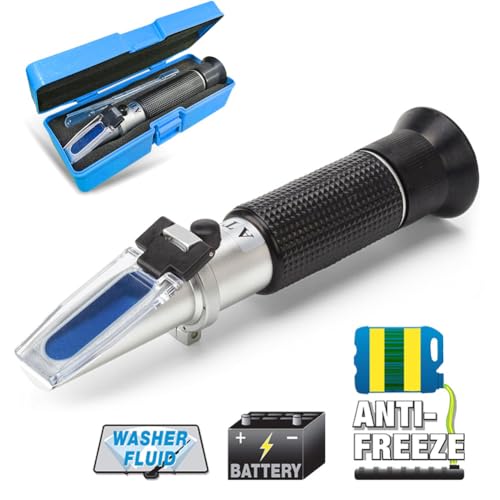
Function 1: Measuring freezing point of automobile antifreeze based on ethylene glycol or propylene glycol.Measuring Range: -50 to 0 ℃.
Safety Precautions
When making windshield washer fluid antifreeze, prioritizing safety is essential. Follow these precautions to ensure a safe process:
- Use Protective Gear: Wear gloves and goggles to protect your skin and eyes from chemicals.
- Work in a Well-Ventilated Area: Ensure you work outside or in a garage with open doors. Good airflow minimizes exposure to fumes.
- Handle Ingredients Carefully: Avoid spills and ensure containers are closed tightly when not in use. Clean any spills immediately.
- Keep Away from Children and Pets: Store all chemicals out of their reach. Homemade antifreeze can be toxic if ingested.
- Label Containers: Clearly label all containers with their contents. This helps prevent accidental mixing or misuse.
- Dispose of Waste Properly: Dispose of any leftover ingredients according to local regulations. Take care not to pour chemicals down the drain.
- Check Chemical Compatibility: Before mixing, ensure all ingredients are compatible. Avoid mixing homemade solutions with commercial products.
Implementing these safety measures can help you create your antifreeze safely and effectively.
Conclusion
Making your own windshield washer fluid antifreeze is a smart way to save money and ensure your visibility during those chilly months. With just a few simple ingredients and some careful preparation you can create a solution that keeps your wipers working effectively.
Remember to adjust your formula based on the severity of the cold and always prioritize safety when handling materials. By taking these steps you’ll not only enhance your driving experience but also feel confident knowing you’ve got a reliable homemade solution ready to go. Stay safe on the roads and enjoy clear visibility all winter long!
Frequently Asked Questions
What is the main issue with windshield washer fluid in cold weather?
Windshield washer fluid can freeze in cold weather, making it ineffective for cleaning your windshield. This can lead to reduced visibility and unsafe driving conditions.
How can I create a homemade antifreeze solution for windshield washer fluid?
To make a homemade antifreeze solution, mix water with ingredients like rubbing alcohol or vinegar. Follow specific ratios to ensure effectiveness while considering the added benefits of cost efficiency.
What additional ingredients can enhance my homemade windshield washer fluid?
You can enhance your homemade solution by adding vinegar, essential oils for fragrance, and blue food coloring for visibility. These ingredients improve performance and help with cleaning.
How can I ensure my homemade windshield washer fluid works effectively?
Store your fluid properly, check its quality, and test the freezing point. Adjust the alcohol ratio for colder temperatures and monitor fluid levels, especially during seasonal changes.
What safety precautions should I take when making windshield washer fluid?
Wear protective gear, work in a well-ventilated area, and keep all chemicals away from children and pets. Always label containers, handle ingredients with care, and dispose of waste responsibly.
Can I mix homemade fluid with commercial washer fluids?
It’s best to avoid mixing homemade fluid with commercial washer fluids, as this can lead to chemical reactions that may reduce effectiveness or cause damage to the system.
How can I maintain my windshield wipers?
Regularly check your windshield wipers for wear and tear, and replace them as needed. Properly maintaining wipers ensures they work effectively with your homemade washer fluid.
