

Have you ever found yourself in a bind with a dirty windshield and an empty washer fluid reservoir? It’s a frustrating situation that can make driving unsafe. Fortunately, making your own washer fluid is not only easy but also cost-effective.
Key Takeaways
- Importance of Washer Fluid: Maintains clear visibility while driving, crucial for safety, especially in adverse weather conditions.
- Types of Washer Fluid: Understand various types—regular, winter, heavy-duty, and DIY—to choose the best fit for your needs.
- DIY Washer Fluid Ingredients: Create effective homemade washer fluid using distilled water, mild dish soap, and optional additives like vinegar and isopropyl alcohol.
- Step-by-Step Preparation: Follow simple steps to mix ingredients properly, ensuring an efficient and streak-free cleaning solution.
- Storage Tips: Store homemade washer fluid in a sealed container away from sunlight and monitor its shelf life, ideally using it within three months for optimal effectiveness.
Understanding Washer Fluid
Washer fluid is a critical component that keeps your windshield clean and clear, enhancing visibility while driving. Understanding its importance and the types available helps you make informed choices.
Importance of Washer Fluid
Washer fluid plays a significant role in vehicle safety. Dirty windshields can obstruct your view, especially in inclement weather. Maintaining a full washer fluid reservoir ensures you can quickly clear dirt, debris, or ice from your windshield when needed. Regular use of washer fluid prevents grime buildup and improves your overall driving experience, making it an essential aspect of vehicle maintenance.
Types of Washer Fluid
Different types of washer fluid cater to varying weather conditions and driving needs.
- Regular Washer Fluid: Suitable for everyday use, this fluid effectively removes dirt and grime without freezing.
- Winter Washer Fluid: Formulated with antifreeze components, this fluid prevents freezing in cold temperatures, ensuring optimal performance in winter months.
- Heavy-Duty Washer Fluid: Designed for heavy-duty cleaning, this fluid tackles tougher stains like bird droppings and tree sap.
- DIY Washer Fluid: Ideal for those on a budget, homemade washer fluid usually consists of water mixed with vinegar or rubbing alcohol, providing a simple solution for basic cleaning needs.
Using the appropriate type of washer fluid enhances cleaning efficiency based on your environment, ensuring a clear view regardless of the conditions.
Ingredients for Homemade Washer Fluid
Making your own washer fluid is simple and cost-effective. You’ll need just a few basic ingredients to create an effective solution that keeps your windshield clean.
Recommended Products

Removes and repels the toughest road grime

This item can no be shipped to the state in California, Техаs, Arizona please check with the manufacturer regarding warranty and support issues.

Add to existing washer fluid
Water
Use distilled water for the best results. Distilled water helps prevent mineral buildup in your washer system. Tap water can contain minerals and impurities that might clog the nozzles over time. Aim for about 1 gallon of distilled water for a large batch.
Soap
Choose a mild dish soap, like Dawn or any other gentle cleaner. Avoid soaps with additives, like antibacterial agents or fragrances, as they may leave residue on your windshield. A tablespoon of soap per gallon of water provides effective cleaning without streaking.
Additives
Incorporate additional ingredients for enhanced performance. Common additives include:
- Vinegar: Adding up to 1 cup of white vinegar helps cut through grime and boosts cleaning power.
- Isopropyl Alcohol: Using 1 cup of isopropyl alcohol prevents freezing in colder temperatures and aids in quick drying.
- Essential Oils: A few drops, like lavender or lemon, can add a pleasant scent without affecting cleaning ability.
These additives help customize your washer fluid based on climate and personal preferences while maximizing its effectiveness.
Step-by-Step Guide on How to Make Washer Fluid for Car
Making your own washer fluid is simple and effective. Follow these steps to ensure your windshield stays clean and clear.
Recommended Products
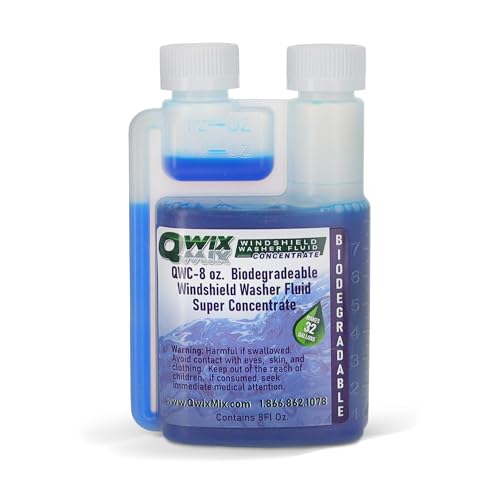
[Super Concentrated Savings] Qwix Mix windshield washer fluid concentrate makes up to 55 gallons of premium windshield washer fluid from one 8 oz bottle, saving money versus pre-mixed windshield washer fluids

SUPER CONCENTRATED WASHER FLUID: 16 fl oz washer fluid bottle makes 165 gallons of summer blend washer fluid. Just pump three times per gallon of water, directly into your windshield washer fluid tank.

EFFORTLESS CLEANING: Enjoy hassle-free maintenance with ABRO's pre-mixed windshield wiper fluid formula, saving you time and effort in preparing the solution for streak-free clarity.
Measuring Ingredients
- Use Distilled Water: Fill a clean container with 1 gallon of distilled water. Distilled water prevents mineral buildup in the washer system.
- Add Mild Dish Soap: Include 1 to 2 tablespoons of mild dish soap. This helps clean without leaving streaks.
- Consider Additives: If desired, add 1 cup of white vinegar or 1 cup of isopropyl alcohol. Vinegar aids in cleaning, while alcohol can help prevent freezing in colder climates. Essential oils can introduce a pleasant scent if you prefer.
- Combine in a Mixing Bowl: Pour the distilled water into a mixing bowl or large container.
- Stir in the Soap: Slowly mix in the dish soap until it’s fully integrated. Avoid vigorous stirring to prevent excessive foam.
- Incorporate Additives: If using, add vinegar or alcohol and stir gently.
- Transfer to a Container: Carefully pour the mixture into your car’s washer fluid reservoir. Use a funnel for easier transfer and less spillage.
- Close Reservoir Securely: Make sure the cap is tight to prevent leaks when driving.
This homemade washer fluid serves well in maintaining visibility while driving, whether you’re facing dirt, grime, or bugs on your windshield.
Tips for Storing Washer Fluid
Storing your homemade washer fluid properly ensures its effectiveness and longevity.
Recommended Products

Universal 12V Washer Pump Kit: This windshield washer pump reservoir kit is designed for many 12V vehicles, including cars, trucks, SUVs, RVs, ATVs and UTVs. Please check installation space and wiring needs before ordering.

Designed and manufactured to match OEM parts
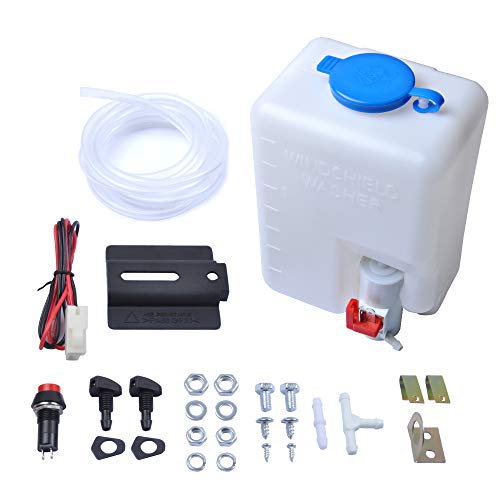
Replacement For: OTUAYAUTO windshield washer tank pump Ideal for any 12V vehicle like classic/Kit cars. Replace OEM # 160186, 110943769329
Best Storage Practices
Store washer fluid in a tightly sealed container to prevent contamination. Use a clean, clear plastic or glass bottle labeled with the ingredients and date. Keeping it in a dark, cool place helps maintain its quality. Avoid placing it in areas where temperatures fluctuate, as heat can cause the components to break down. Ensure the container isn’t exposed to direct sunlight, which can degrade the fluid.
Shelf Life Considerations
Monitor the shelf life of your homemade washer fluid. Typically, it lasts about three months if stored correctly. If you notice any cloudiness or a change in odor, it’s best to discard it. For optimal performance, consider making smaller batches that you’ll use within this timeframe. This practice keeps your washer fluid fresh and effective for every drive.
Conclusion
Making your own washer fluid is a simple and rewarding task that can save you money and improve your driving safety. With just a few common ingredients you can create a solution that keeps your windshield clear and streak-free.
Remember to store your homemade fluid properly to maintain its effectiveness. By taking a little time to prepare your own washer fluid you’re not only ensuring a cleaner view but also embracing a more sustainable approach to car maintenance.
So next time you notice that reservoir running low grab those ingredients and whip up a batch. Your windshield will thank you!
Frequently Asked Questions
What are the risks of driving with a dirty windshield?
Driving with a dirty windshield can severely hinder visibility, increasing the risk of accidents. Dirt, grime, and water spots can obstruct your view, making it difficult to see pedestrians, traffic signals, and other vehicles on the road.
How can I make my own washer fluid?
You can easily make your own washer fluid by mixing distilled water with a few drops of mild dish soap. For added effectiveness, consider incorporating vinegar or isopropyl alcohol. This solution will help keep your windshield clean without streaks.
Why is distilled water recommended for washer fluid?
Distilled water is recommended because it prevents mineral buildup in your windshield washer system. Tap water often contains minerals that can lead to clogs and reduce the effectiveness of your washer fluid.
How do I store homemade washer fluid?
Store your homemade washer fluid in a tightly sealed container, preferably in a dark, cool place. This will help maintain its effectiveness and prevent contamination.
What is the shelf life of homemade washer fluid?
The shelf life of homemade washer fluid is about three months. Always check for changes in appearance or smell, and discard the fluid if anything seems off to ensure it works effectively when you need it.
