

Have you ever found yourself driving with a dirty windshield and no washer fluid in sight? It’s frustrating when you can’t see clearly, especially during a rainstorm or after a long drive. You might think that buying a bottle from the store is your only option, but there’s an easy and cost-effective solution right at home.
Key Takeaways
- Importance of Washer Fluid: Maintaining clear visibility while driving is crucial for safety; windshield washer fluid removes dirt and grime to prevent accidents.
- Homemade Recipe: You can easily create effective windshield washer fluid using common household ingredients like water, vinegar, dish soap, and optional rubbing alcohol.
- Seasonal Adjustments: Tailor your washer fluid for summer with a vinegar-dish soap mix and for winter by adding rubbing alcohol to prevent freezing.
- Proper Mixing and Storage: Accurate measurements and proper storage in a cool, dark place are key to ensuring the effectiveness of your homemade washer fluid.
- Troubleshooting Tips: Understand common issues like freezing and streaking and how to address them to maintain optimal performance of your windshield washer system.
Understanding Windshield Washer Fluid
Windshield washer fluid plays a vital role in maintaining clear visibility while driving. It helps remove dirt, grime, and debris from your windshield, ensuring a safe driving experience.
Importance of Windshield Washer Fluid
Windshield washer fluid is essential for several reasons:
- Visibility: A clean windshield enhances your ability to see road conditions and hazards. Clarity is especially critical during adverse weather.
- Safety: Poor visibility can lead to accidents. Regularly using washer fluid helps prevent dangerous situations.
- Maintenance: Using the right fluid protects your windshield and wiper blades from damage caused by dirt buildup.
Common Ingredients Used
Homemade windshield washer fluid typically includes common household ingredients that effectively clean your windshield. Here are the primary components:
- Water: The base of most washer fluids, providing the main cleaning agent.
- Vinegar: Acts as a natural cleaner, cutting through grime while preventing streaking.
- Dish Soap: A few drops enhance cleaning power, helping to lift stubborn debris.
- Rubbing Alcohol: Prevents fluid from freezing, making it useful in colder climates.
These ingredients work together to create an effective and economical washer fluid alternative.
DIY Recipes for Windshield Washer Fluid
Creating your windshield washer fluid at home is simple and effective. You can use common household ingredients for an economical solution.
Recommended Products

Removes and repels the toughest road grime
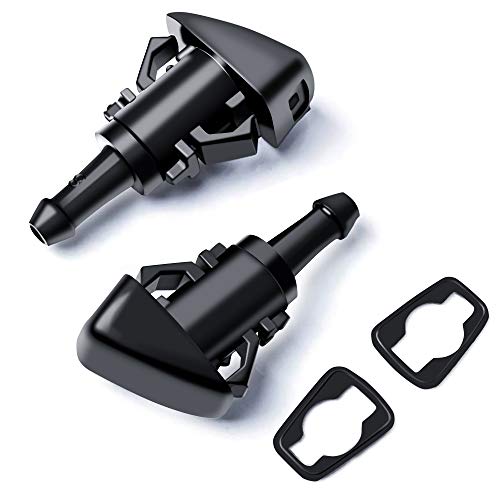
Replace OEM: # 4805742AB, 4805742AC, 5116079AA, 5113049AA, 5303833AA, 55077460AA, 5160308AA

HIGH QUALITY MATERIAL: The windshield washer hose kit is made of high quality rubber, soft and elastic, strong and durable.
Basic Formula for Homemade Fluid
- Water: Use distilled or filtered water for the best results. Tap water may contain minerals that can leave residue on your windshield.
- Vinegar: Mix 1 part vinegar to 3 parts water. Vinegar helps to break down dirt and grime.
- Dish Soap: Add a few drops of dish soap to the mixture. It enhances cleaning power while preventing streaks.
- Rubbing Alcohol (optional): For colder climates, add 1 cup of rubbing alcohol to the mix. This prevents the fluid from freezing.
Combine these ingredients in a clean spray bottle. Shake gently to mix, then fill your washer reservoir.
- Summer Formula: Use a diluted vinegar solution (3:1 ratio) with a few drops of dish soap. This cuts through dust and bugs easily.
- Winter Formula: Mix 1 part distilled water with 1 part rubbing alcohol. This prevents freezing and ensures fluid flows in cold weather.
- All-Season Blend: Use 2 cups of distilled water, 1 cup of vinegar, and 1 tablespoon of dish soap. This mixture works well year-round and helps keep your windshield clear.
Consider labeling your mixtures to avoid confusion. Store extras in a cool, dark place to preserve their effectiveness.
Tips for Mixing and Storing Washer Fluid
Mixing your washer fluid correctly and storing it properly ensures effectiveness and longevity. Follow these tips to make the most out of your homemade solution.
Recommended Products

This item can no be shipped to the state in California, Техаs, Arizona please check with the manufacturer regarding warranty and support issues.

EFFORTLESS CLEANING: Enjoy hassle-free maintenance with ABRO's pre-mixed windshield wiper fluid formula, saving you time and effort in preparing the solution for streak-free clarity.

SUPER CONCENTRATED WASHER FLUID: 16 fl oz washer fluid bottle makes 165 gallons of summer blend washer fluid. Just pump three times per gallon of water, directly into your windshield washer fluid tank.
Proper Mixing Techniques
- Measure Accurately: Always use precise measurements. For a typical summer formula, combine 1 gallon of water with 1 cup of vinegar and 1 tablespoon of dish soap.
- Mix Thoroughly: Stir the mixture well to ensure all ingredients blend. Use a large container to prevent spills while mixing.
- Use Distilled Water: If possible, opt for distilled water. It prevents mineral buildup in your car’s system.
- Adjust for Temperature: For winter formulas, include rubbing alcohol. Use 2 cups of water, 1 cup of vinegar, and 1 cup of alcohol to prevent freezing.
- Test Your Formula: After mixing, check how your fluid performs on the windshield. Adjust the ingredients if necessary.
- Choose a Safe Container: Store your mixed fluid in a sturdy, dark, plastic container to prevent sunlight from degrading the ingredients.
- Label Your Mixture: Clearly label the container with the contents and the date of mixing. This helps avoid confusion and ensures timely use.
- Keep it Cool: Store washer fluid in a cool, dry place, away from direct sunlight or extreme temperatures.
- Use Within a Season: For optimal effectiveness, use mixed washer fluid within one season. Discard any fluid that has remained unused for more than six months.
- Check for Separation: Before using stored fluid, check for any separation of ingredients. Shake the container gently to recombine if necessary.
By following these tips, you can ensure that your homemade washer fluid remains effective and ready for use whenever you need it.
Troubleshooting Common Issues
Sometimes, homemade windshield washer fluid can present issues. Here’s how to troubleshoot common problems to ensure your visibility stays clear.
Recommended Products

Trusted Formula for Over 30 Years: Kristall Klar has been the choice for those who want a crystal clear view of the road ahead without the streaks and smears typical of standard washer fluids

Melts ice & frost fast, -34 degrees F protection

CarPlan Demon Shot 500ml (17 fl oz) can be added to your current screenwash to boost the freezing performance when the temperature drops unexpectedly, alternatively, the super concentrated formula can be used to make 25L (845 fl oz) of screenwash.
What to Do If Washer Fluid Freezes
If your windshield washer fluid freezes, the first step is to inspect the mixture. Ensure you used enough rubbing alcohol, as it lowers the freezing point. A winter formula should contain at least 1 part rubbing alcohol to 2 parts water. For immediate solutions, park your car in a warmer area or heat the washer fluid reservoir with a portable heater to thaw it. In future mixtures, increase the alcohol content for better performance during cold temperatures.
Addressing Streaks and Smearing
If your windshield shows streaks or smears after using the fluid, focus on the ingredients. Make sure to mix the dish soap properly, as too much can lead to residue. Use only a few drops for effective cleaning. Additionally, consider using distilled water rather than tap water, which may contain minerals that cause streaking. If issues persist, clean the windshield wipers with a cloth soaked in vinegar to remove grime that might cause smearing. Replace worn wipers for optimal performance.
Conclusion
Making your own windshield washer fluid is not only easy but also budget-friendly. With a few simple ingredients you probably already have at home you can keep your windshield clear and safe for driving. Whether you choose a summer blend or a winter formula you’ll enjoy the satisfaction of a clean windshield without breaking the bank.
Remember to store your mixtures properly and check them regularly to ensure they’re effective. With the right care and attention you’ll have a reliable solution that enhances your driving experience. So go ahead and whip up a batch of homemade washer fluid and hit the road with confidence!
Frequently Asked Questions
What is the purpose of windshield washer fluid?
Windshield washer fluid is essential for maintaining clear visibility while driving. It helps remove dirt, grime, and debris from your windshield, ensuring a safe driving experience by improving visibility, especially in adverse weather conditions.
Can I make my own windshield washer fluid?
Yes, you can easily make your own windshield washer fluid at home using common household ingredients. A typical recipe includes water, vinegar, dish soap, and rubbing alcohol, which work together to clean your windshield effectively.
What are the different types of homemade washer fluid?
There are several types of homemade washer fluids: a summer formula, a winter formula, and an all-season blend. Each formula is designed to tackle seasonal challenges, such as freezing temperatures or summer dust, while maintaining visibility.
How should I store homemade washer fluid?
Store homemade washer fluid in a clean, labeled container. Use opaque or dark bottles to protect the fluid from light, keep it in a cool, dry place, and always check for separation or spoilage before use.
What are common issues with homemade washer fluid?
Common issues include freezing in cold weather, streaks on the windshield, and smearing. These can often be resolved by adjusting the alcohol content, using distilled water, mixing dish soap properly, and ensuring your wiper blades are in good condition.
How can I troubleshoot streaks on my windshield?
To troubleshoot streaks, ensure you’re using the right amount of dish soap in your washer fluid recipe. Additionally, clean your windshield wipers with vinegar and replace any worn wipers to improve cleaning performance.
How often should I check my homemade washer fluid?
It’s a good practice to check your homemade washer fluid regularly, especially before long trips or during seasonal changes. Pay attention to the fluid’s clarity and smell, and replace it if you notice separation or odor changes.
