

Have you ever found yourself struggling to see through a dirty windshield during winter? You’re not alone. Many drivers face this frustrating issue when the temperatures drop and regular washer fluid freezes up.
Making your own antifreeze washer fluid is a simple solution that not only saves you money but also ensures you can keep your windshield clear no matter the weather. In this article, you’ll learn how to whip up an effective formula using common household ingredients. By the end, you’ll be ready to tackle those frosty mornings with confidence.
Key Takeaways
- Easy DIY Solution: Making your own antifreeze washer fluid is straightforward using common household ingredients like distilled water and isopropyl alcohol.
- Cost-Effective: Creating your washer fluid at home is more budget-friendly compared to store-bought options, saving you money while maintaining quality.
- Customizable Formula: You can tailor the mix to meet specific needs or preferences, adding ingredients like vinegar for extra cleaning power or essential oils for a pleasant scent.
- Safety Focus: Ensuring proper handling of ingredients like isopropyl alcohol is vital; always work in a ventilated area and store the mixture safely away from children and pets.
- Environmental Benefits: Homemade washer fluid reduces plastic waste and the use of harmful chemicals, making it an eco-friendly choice for car maintenance.
- Effective Cleaning: With the right proportions, homemade antifreeze washer fluid performs well, providing clear visibility during winter driving conditions.
Ingredients Needed
Creating antifreeze washer fluid requires just a few key ingredients you likely have at home. Follow this guide to gather everything needed for your DIY solution.
Recommended Products
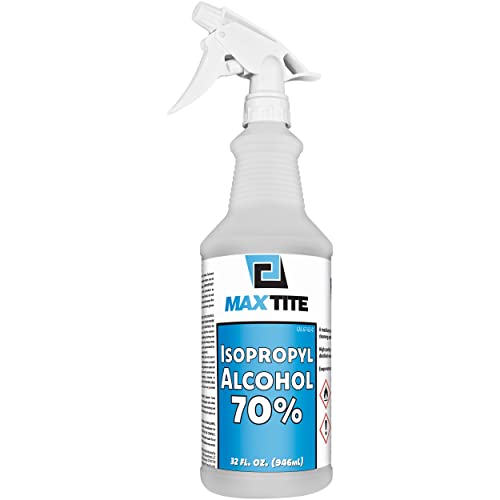
Perfect Balance between Effectiveness and Safety: Lower 70% concentration offers enhanced penetration for thorough cleaning, yet remains less aggressive than higher concentrations—ideal for ensuring prolonged contact without compromising sensitive materials or surfaces.

One 32 fluid ounce bottle of first aid antiseptic

Essential Components
- Water: Use distilled water for the best results. It minimizes mineral buildup inside your washer tank and provides a pure solution.
- Isopropyl Alcohol: This serves as the main antifreeze agent. Choose a concentration of at least 70% to prevent freezing and enhance cleaning power.
- Dish Soap: Utilize a few drops of mild dish soap to help break down dirt and grime on your windshield.
- Vinegar: Add white vinegar for extra cleaning capability and protection against frozen surfaces. Mix equal parts water and vinegar for an improved solution.
- Essential Oils: Consider a couple of drops of essential oil, like peppermint or lemon, for a pleasant scent while cleaning your windshield.
- Food Coloring: If you want to color your washer fluid, use a couple of drops of food coloring. This adds a fun touch without compromising effectiveness.
Step-by-Step Instructions
Creating your own antifreeze washer fluid is simple. Follow these instructions to prepare an effective solution.
Recommended Products

SUPER CONCENTRATED WASHER FLUID: 16 fl oz washer fluid bottle makes 165 gallons of summer blend washer fluid. Just pump three times per gallon of water, directly into your windshield washer fluid tank.

Genuine BMW part that fits your specific vehicle
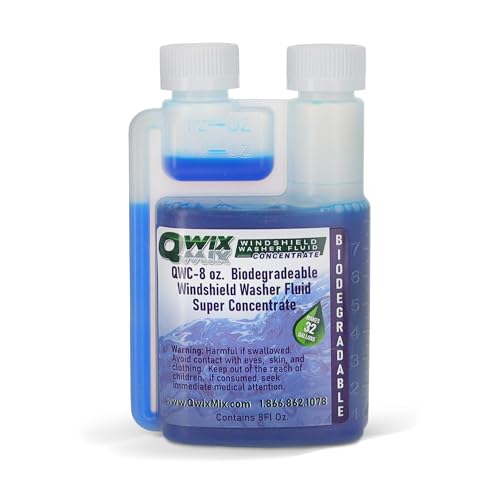
[Super Concentrated Savings] Qwix Mix windshield washer fluid concentrate makes up to 55 gallons of premium windshield washer fluid from one 8 oz bottle, saving money versus pre-mixed windshield washer fluids
Preparing the Solution
- Gather your ingredients: You’ll need 1 cup of distilled water, 1 cup of isopropyl alcohol (at least 70% concentration), 1 tablespoon of dish soap, and optional additives like white vinegar, essential oils, or food coloring.
- Choose a clean container: Use a medium-sized spray bottle or a mixing bowl with a secure lid.
- Measure and pour: First, add the distilled water, followed by the isopropyl alcohol. Then, mix in the dish soap. If desired, add 1 tablespoon of white vinegar for added cleaning power. You can also include a few drops of essential oils for scent and a couple of drops of food coloring for customization.
- Secure the lid: If using a spray bottle, make sure it’s tightly closed. Otherwise, you can use a mixing bowl and a whisk or spoon.
- Mix thoroughly: Shake the spray bottle gently or stir the bowl until all ingredients are well combined. Ensure that the dish soap dissolves completely for optimal cleaning performance.
- Test the solution: Spray a small amount onto a clean cloth and wipe a section of your windshield. Ensure it cleans effectively without streaks or residues. Adjust the formula if necessary, adding more soap or alcohol for better results.
Follow these instructions for a perfect antifreeze washer fluid. You’ll enjoy clear visibility in winter weather.
Safety Precautions
When making antifreeze washer fluid, it’s crucial to prioritize safety. Handling chemicals properly ensures a safe DIY experience.
Recommended Products

Heavy-Duty Chemical Resistance: High-end nitrile gloves possess excellent chemical resistance, providing a tough barrier against harsh substances such as industrial solvents and cleaners, so you can handle lab work or heavy-duty tasks with confidence.

Durable and Sensitive: antools industrial-strength rubber gloves, featuring a two-toned and double-dipped blend of neoprene and natural rubber, boast a thickness of 28 mil (0.8 mm). They maintain softness while ensuring durability, offering exceptional tactility, sensitivity, and dexterity, flexible enough to handle small objects.

Heavy-Duty Chemical Resistance: High-end nitrile gloves possess excellent chemical resistance, providing a tough barrier against harsh substances such as industrial solvents and cleaners, so you can handle lab work or heavy-duty tasks with confidence.
Handling Chemicals
- Use gloves: Protect your skin when working with isopropyl alcohol and other chemicals. Gloves prevent irritation.
- Work in a ventilated area: Ensure good airflow when mixing ingredients. Open windows or use a fan to dissipate fumes.
- Avoid spills: Handle containers carefully to prevent accidents. Clean up any spills immediately to avoid slips or contamination.
- Read labels: Always check instructions on the chemical containers. Ensure you understand the proper use and hazards of each component.
- Keep away from heat sources: Store and mix your solution away from flames or heat. Alcohol is flammable and may pose a risk.
- Choose appropriate containers: Use a durable, clean container for storage. A plastic or glass bottle with a tight lid works well.
- Label the container: Clearly mark your antifreeze washer fluid. This helps prevent accidental misuse.
- Store in a cool, dry place: Keep the solution away from direct sunlight and temperature extremes. A consistent room temperature protects the ingredients.
- Keep out of reach of children and pets: Store the container in a secured cabinet or high shelf. This prevents accidental ingestion.
- Check regularly: Inspect the stored solution for any changes. Discard it if you notice any separation or discoloration.
By following these safety precautions, you maintain a safe environment while creating effective antifreeze washer fluid.
Benefits of Homemade Antifreeze Washer Fluid
Creating your own antifreeze washer fluid carries several benefits.
Cost-Efficiency
Homemade washer fluid often costs less than store-bought options. Basic ingredients like distilled water and alcohol are budget-friendly. You save money without sacrificing quality.
Customization Options
You can tailor the fluid to suit your needs. For example, adjust the mixture for more freezing resistance or add essential cleaning agents for better visibility. Custom blends meet specific driving conditions.
Eco-Friendly Choice
Using household ingredients reduces environmental impact. You minimize plastic waste and avoid harmful chemicals often found in commercial products. A homemade solution offers a greener alternative.
Convenience
Making your own washer fluid is convenient. Find the ingredients in your pantry or local store. You’ll have a steady supply readily available whenever you need it, especially on chilly days.
Performance
Homemade solutions can perform well under various conditions. With the right mixture, your windshield stays clean and clear, enhancing visibility while driving. Quality ingredients ensure your washer system operates effectively.
Safety
Homemade washer fluid allows you to control the ingredients. You know what’s in your mixture, which helps avoid harmful chemicals. Ensuring safety during preparation gives you peace of mind when using the fluid.
By leveraging these benefits, you enhance your driving experience with homemade antifreeze washer fluid.
Conclusion
Making your own antifreeze washer fluid is a simple and rewarding solution to keep your windshield clear during winter. You’ve got the power to customize the ingredients to suit your needs while saving money and being kind to the environment.
With just a few household items you can create a reliable washer fluid that performs well in cold weather. Plus you can feel good knowing exactly what’s in your mixture.
So why not give it a try? Your windshield will thank you and your wallet will too. Enjoy a safer and clearer driving experience this winter!
Frequently Asked Questions
What is antifreeze washer fluid?
Antifreeze washer fluid is a solution designed to prevent your windshield washer system from freezing in cold weather. It helps maintain clear visibility by melting ice and snow on your windshield.
How do I make DIY antifreeze washer fluid?
To make DIY antifreeze washer fluid, mix 1 part water, 1 part vinegar, and a few drops of dish soap. You can also use rubbing alcohol instead of vinegar for added freezing resistance.
What are the benefits of homemade washer fluid?
Homemade washer fluid is cost-effective, customizable, eco-friendly, and practical. You can tailor the formula, save money, reduce environmental impact, and ensure effective performance in various weather conditions.
Is homemade washer fluid safe for my car?
Yes, homemade washer fluid can be safe for your car if you use appropriate ingredients that won’t damage the windshield or washer system. Avoid using harmful chemicals or substances.
How often should I replace my washer fluid?
You should check and replace your washer fluid regularly, especially during seasonal changes. Ensure fluid levels are topped up to maintain clear visibility and optimal performance.
