

Ever found yourself in a sticky situation with power steering fluid spilled on your asphalt driveway? Wondering how to tackle this slippery mess without a hitch? Picture this: you walk outside to see a puddle of power steering fluid tarnishing your pristine driveway. What do you do next?
Key Takeaways
- Power steering fluid plays a vital role in the functionality of your vehicle’s steering system, providing smooth steering and control.
- Oil-based power steering fluid stains on asphalt can be effectively cleaned using absorbent materials like cat litter and commercial degreasers.
- Methods for removing power steering fluid from asphalt include using absorbent materials, commercial degreasers, pressure washing, hot water with detergent, and oil stain removers.
- Precautions when cleaning power steering fluid stains on asphalt include wearing protective gear, working in well-ventilated areas, following product instructions, and disposing of waste properly.
- Prevent power steering fluid spills by regularly inspecting your vehicle for leaks, maintaining proper fluid levels, using drip pans, parking on hard surfaces, and scheduling routine maintenance checks.
Understanding Power Steering Fluid
When it comes to power steering fluid, it plays a crucial role in ensuring your vehicle’s power steering system functions smoothly. This specialized fluid acts as a hydraulic medium that allows you to turn the steering wheel with ease, providing you with better control over the direction of your car.
Power steering fluid is designed to withstand high temperatures and pressures while lubricating the power steering pump and system components. It also helps in reducing wear and tear, ensuring optimal performance of your vehicle’s steering mechanism.
If you notice a puddle of power steering fluid on your asphalt driveway, it’s essential to understand that this fluid is typically oil-based, which can make cleaning a bit challenging. Oil-based fluids tend to seep into porous surfaces like asphalt, requiring specific techniques to remove them effectively.
To address power steering fluid stains on asphalt, you’ll need to consider using absorbent materials like cat litter or sawdust to soak up the excess fluid. These materials work by absorbing the oil from the surface, making it easier to clean the affected area.
Additionally, using a commercial degreaser specifically formulated for asphalt surfaces can help break down the remaining stains. By applying the degreaser as directed on the affected areas and scrubbing gently with a brush, you can lift off the stubborn residue left by the power steering fluid.
Remember to rinse the area thoroughly with water after cleaning to ensure all traces of the fluid and degreaser are removed. This final step is crucial in restoring the cleanliness of your asphalt driveway and preventing any potential staining or damage in the long run.
By understanding the properties of power steering fluid and employing the right cleaning methods, you can effectively tackle the challenge of removing power steering fluid stains from your asphalt driveway. With the proper approach and a little elbow grease, you can maintain the pristine condition of your driveway and keep it looking its best.
Methods for Removing Power Steering Fluid from Asphalt
To effectively remove power steering fluid from your asphalt driveway, you have several methods at your disposal. Each method targets the tough stains left by the fluid, ensuring your driveway remains clean and well-maintained.
Recommended Products
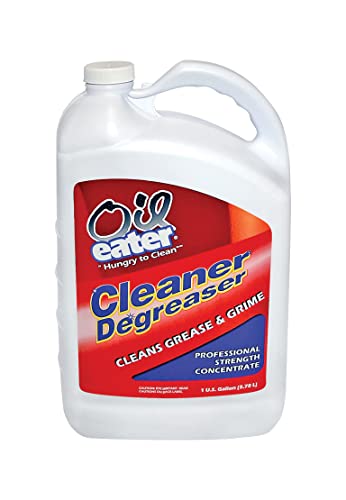
Powerful Cleaning: Dissolves Grease, Oil And Dirt From Any Washable Surface
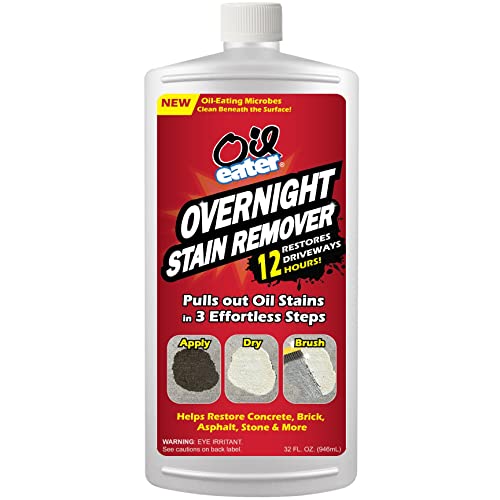
POWERFUL OIL STAIN REMOVER - oil-eating microbes clean deep beneath the surface to remove oil stains on hard & porous surfaces like concrete, asphalt, brick & stone. Works great on all types of oil, grease and petroleum-based automotive leaks.

INDUSTRY’S MOST POWERFUL OIL STAIN LIFTING FORMULA: Chomp! Pull It Out uses a deep penetrating formula to lift stains from porous flooring surfaces like concrete and brick. It is effective on oil or petroleum-based stains (transmission fluid, brake fluid, etc. ) commonly found on concrete and paver driveways, garage floors, parking lots, and drive-through lanes.
1. Absorbent Materials
Start by using highly absorbent materials like cat litter, sawdust, or baking soda. Sprinkle a generous amount over the affected area to soak up the spilled power steering fluid. These absorbents work by drawing the oil out of the asphalt, making it easier to clean the stain.
2. Commercial Degreaser
For stubborn stains that require more heavy-duty cleaning, consider using a commercial degreaser specifically designed for removing oil-based stains. Follow the manufacturer’s instructions for the best results. Apply the degreaser to the affected area and let it sit for the recommended time before rinsing.
3. Pressure Washing
If the power steering fluid stain persists, using a pressure washer can help blast away the remaining residue. Ensure you use the appropriate nozzle and set the pressure to a level that effectively cleans the asphalt without causing damage. Move the pressure washer in sweeping motions for thorough cleaning.
4. Hot Water and Detergent
Another method involves using hot water and detergent to break down the power steering fluid stain. Mix a solution of hot water and a mild detergent, such as dish soap or laundry detergent. Apply the solution to the stain and scrub gently with a stiff brush. Rinse the area with clean water.
5. Oil Stain Remover
You can also try using a commercial oil stain remover specifically formulated for asphalt surfaces. These products are designed to penetrate the asphalt and lift oil-based stains effectively. Follow the instructions on the product label for the best outcome.
By utilizing these methods, you can successfully remove power steering fluid stains from your asphalt driveway, keeping it clean and free of unsightly marks. Remember to act promptly to address spills and choose the appropriate method based on the severity of the stain for optimal results.
Precautions and Safety Measures
When dealing with power steering fluid stains on asphalt, it’s essential to follow precautions and safety measures to ensure successful and safe cleanup. Here are some important guidelines to keep in mind:
- Protective Gear: Before starting the cleanup process, make sure to wear appropriate protective gear such as gloves, safety goggles, and old clothing to prevent direct contact with the fluid and cleaning agents.
- Ventilation: Work in a well-ventilated area to avoid inhaling fumes from the cleaning products. If you’re using chemicals like degreasers, ensure there is proper airflow to minimize exposure.
- Read Instructions: Always read and follow the manufacturer’s instructions on the cleaning products you are using. Different products may have specific handling and application guidelines for optimal results.
- Dispose of Waste Safely: Properly dispose of all materials used in the cleanup process, including absorbents, contaminated clothing, and empty containers. Follow local regulations for hazardous waste disposal.
- Avoid Excessive Water Usage: While rinsing off the asphalt, be mindful of the water usage. Excess water may spread contaminants further or carry them into storm drains, impacting the environment. Use water responsibly during cleanup.
- Prevent Runoff: To prevent contaminated runoff into water sources, consider using containment measures such as absorbent barriers or drip pans to collect any runoff water during the cleaning process.
- Keep Pets and Children Away: During the cleanup process and while waiting for the asphalt to dry, ensure that pets and children are kept away from the area. This will prevent any accidental contact with the cleaning chemicals or wet asphalt.
By adhering to these precautions and safety measures, you can effectively remove power steering fluid stains from asphalt while ensuring your own safety and protecting the environment. Taking the necessary steps will not only result in a clean driveway but also contribute to a safe and responsible cleanup process.
Tips for Preventing Power Steering Fluid Spills
When it comes to preventing power steering fluid spills on your pavement, taking the right precautions can save you time and effort. Here are some practical tips to help you avoid these pesky stains:
Recommended Products

Engineered Stop Leak Protection: Specially formulated to condition and rejuvenate worn seals, helping stop existing leaks and preventing future fluid loss for smoother steering performance
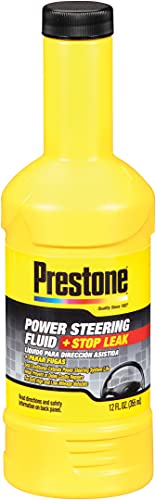
50,000 mile fluid life
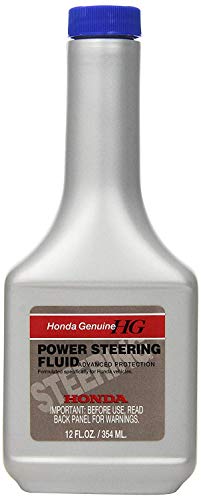
Fits all Honda models
Regularly Inspect Your Vehicle
Give your vehicle’s power steering system a quick check every now and then to catch any potential leaks early. Look for signs of fluid on the ground beneath your car or any wet spots around the power steering pump. Addressing leaks promptly can prevent larger spills later on.
Maintain Proper Fluid Levels
Ensure your power steering fluid is at the correct level as indicated in your vehicle’s manual. Low fluid levels can put additional strain on the system, leading to leaks and spills. Regularly topping up the fluid can help prevent such issues.
Use Drip Pans or Trays
If you notice a minor leak in your power steering system, consider placing a drip pan or tray under the vehicle to catch any dripping fluid. This can prevent the liquid from seeping into your driveway and causing unsightly stains.
Park on a Hard Surface
When possible, park your vehicle on a hard surface like concrete rather than asphalt. Concrete is less porous than asphalt, making it easier to clean up any spills that may occur. This simple change in parking spots can help minimize the impact of power steering fluid leaks.
Schedule Routine Maintenance
Regular maintenance checks by a professional mechanic can help identify and address potential issues with your vehicle’s power steering system before they escalate. Staying on top of your car’s maintenance schedule can prevent unexpected leaks and spills.
By following these preventive tips, you can reduce the chances of power steering fluid spills on your driveway, keeping your pavement clean and well-maintained. Remember, a little prevention can go a long way in avoiding the hassle of cleaning up after a messy spill.
Conclusion
You’ve learned the importance of promptly addressing power steering fluid spills on asphalt driveways and how to effectively clean oil-based stains. Remember to prioritize safety by wearing protective gear and following proper disposal methods. By implementing preventive measures like regular leak inspections and maintenance, you can reduce the risk of future spills. Stay proactive to keep your driveway clean and avoid the hassle of cleanup.
Frequently Asked Questions
What causes power steering fluid spills on asphalt driveways?
Power steering fluid spills on asphalt driveways usually occur due to leaks in the vehicle’s power steering system, leading to oil stains on the surface.
Why is it important to address power steering fluid spills promptly?
Promptly addressing power steering fluid spills is crucial to prevent stains from penetrating the asphalt and causing long-term damage to the driveway.
How can I clean power steering fluid stains from an asphalt driveway?
To clean power steering fluid stains from an asphalt driveway, you can use absorbent materials like cat litter or baking soda to soak up the spill, followed by washing the area with a mixture of dish soap and water.
What precautions should I take when cleaning power steering fluid stains?
When cleaning power steering fluid stains, it’s important to wear protective gear like gloves and goggles, dispose of contaminated materials properly, and prevent runoff into storm drains to protect the environment.
How can I prevent power steering fluid spills on my driveway?
To prevent power steering fluid spills on your driveway, regularly inspect your vehicle for leaks, maintain proper fluid levels, use drip pans under the vehicle, park on hard surfaces whenever possible, and schedule routine maintenance checks.
