

Flushing the transmission fluid on a Dodge Hornet can enhance performance and extend the life of the transmission. This DIY service guide outlines the necessary steps and precautions to effectively complete this task.
Required Tools for Transmission Flush
Before undertaking a transmission fluid flush on your Dodge Hornet, it’s essential to gather the right tools for the job. Having the necessary equipment on hand will ensure a smoother process and help you avoid potential pitfalls. This section outlines the specific tools you’ll need to effectively complete the flush and maintain your vehicle’s performance.
Before starting the transmission fluid flush, collect the required tools and supplies. Having everything ready will streamline the process and minimize downtime.
-
Transmission fluid: Ensure you have the correct type for your Dodge Hornet.
-
Fluid pump: This tool helps transfer new fluid into the transmission.
-
Drain pan: Use this to catch old fluid during the flush.
-
Wrench set: Necessary for removing the transmission pan and bolts.
-
Rags: For cleaning spills and wiping down surfaces.
Recommended Products

Premium Materials: This transmission oil pump kit is crafted from high-quality, durable plastic that withstands high temperatures, oil contamination, and corrosion. It bends freely without deformation or breakage. All fittings feature alloy construction for wear resistance and tear strength, delivering superior sealing performance and long-lasting durability.

Efficient 8 cc Per Stroke: This transmission fluid pump delivers 8ml of liquid with each push. It significantly reduces the time and effort needed for fluid changes compared to smaller pumps.

[High-quality Materials] The lower gear oil pump is made of high-quality materials, which is durable and ensures fast and precise refilling of lubricating oil for the lower device of the marine engine, and is easy to use.
Transmission Fluid Flush Safety Guidelines
Flushing the transmission fluid in a Dodge Hornet is a crucial maintenance task that can enhance vehicle performance. However, it’s essential to prioritize safety during this process. Understanding the necessary precautions will help ensure a smooth and secure fluid flush, protecting both the vehicle and the person performing the service.
Proper preparation and safety are crucial for a successful fluid flush. Always work in a well-ventilated area and wear protective gloves and eyewear.
-
Park the vehicle on a level surface and engage the parking brake.
-
Disconnect the battery to prevent any electrical issues.
-
Raise the vehicle using jack stands for easier access to the transmission.
Transmission Inspection for Fluid Change
Before flushing the transmission fluid on your Dodge Hornet, it’s essential to conduct a thorough inspection of the transmission system. This step ensures that any potential issues are identified early, allowing for a more effective fluid change and maintaining the overall health of your vehicle’s transmission. Understanding what to look for can save you time and prevent costly repairs down the line.
Before flushing, inspect the transmission for leaks or damage. This step ensures that you address any underlying issues before changing the fluid.
-
Check for external leaks around the transmission pan.
-
Look for cracks or damage on the transmission casing.
-
Inspect the transmission fluid for color and consistency. Healthy fluid should be a bright red color.
Transmission Fluid Flush Steps for Dodge Hornet
Flushing the transmission fluid in your Dodge Hornet is an essential maintenance task that helps ensure optimal performance and longevity. This guide provides clear, step-by-step instructions to effectively complete the flush process, allowing you to tackle the job with confidence and keep your vehicle running smoothly. Follow these steps to maintain the health of your transmission system.
Follow these steps to effectively flush the transmission fluid on your Dodge Hornet.
-
Remove the transmission pan: Use the wrench to unscrew the bolts and carefully lower the pan. Allow old fluid to drain into the pan.
-
Replace the filter: If applicable, remove the old filter and install a new one.
-
Clean the pan: Wipe down the inside of the pan to remove debris and old fluid.
-
Reinstall the pan: Secure it back in place with the bolts.
-
Use the fluid pump: Fill the transmission with new fluid through the dipstick tube. Refer to your owner’s manual for the correct fluid capacity.
Recommended Products

【Versatile Fluid Transfer】:This oil transfer pump efficiently pumps gear oil, transmission oil, antifreeze, differential oil, and other liquids, meeting the liquid handling needs of the automotive and industrial sectors and enabling liquid transfer operations in a variety of scenarios.

Efficient Pumping: This fluid transfer pump comes with two different height suction tubes for quart bottles of different heights, making it easy to reach the bottom of the bottle. Easily control the amount of fluid pumped out without worrying about overfilling, making oil change operations easier on boats and vehicles.

Durable Composite Plastic & Aluminum Alloy Construction: This manual transmission fluid pump combines sturdy plastic main housing and solid aluminum alloy fittings, capable of resisting high heat, oil stains and chemical erosion without deformation or cracks. The flexible suction hose retains good softness after repeated use, and all aluminum connectors offer wear-proof tight connections to stop liquid leakage at filling ports.
Transmission Fluid Symptoms and Causes
Understanding the symptoms and causes of transmission fluid issues is crucial for maintaining your Dodge Hornet’s performance. Recognizing these signs early can help prevent more significant problems down the line, ensuring your vehicle runs smoothly and efficiently. This section will delve into common indicators of transmission fluid trouble and their underlying causes, equipping you with the knowledge needed for effective DIY service.
| Symptom | Primary Suspect | Difficulty (1-5) |
|---|---|---|
| Slipping gears | Low fluid level | 3 |
| Delayed shifting | Contaminated fluid | 4 |
| Overheating | Clogged filter | 5 |
Transmission Fluid Level Monitoring
Monitoring the transmission fluid level is crucial for maintaining the performance and longevity of your Dodge Hornet. Regular checks can help prevent issues such as slipping gears or overheating. Understanding how to accurately assess the fluid level will ensure your vehicle operates smoothly and efficiently.
After completing the flush, it is essential to monitor the fluid levels regularly. This practice ensures that your transmission operates smoothly.
-
Check the dipstick for fluid level and color.
-
Add fluid as necessary to maintain the correct level.
-
Look for any signs of leaks around the transmission pan.
Recommended Products

EASY TO READ :Clear marks on the metal tip promise easy-to-read oil levels.

SAME TOOL THE DEALER USES:【For select Chrysler Dodge Jeep VW vehicles】Level Measuring tool Designed to check and adjust ATF fluid on your vehicle. / Allows you to check fluid level without going to the Dealer.
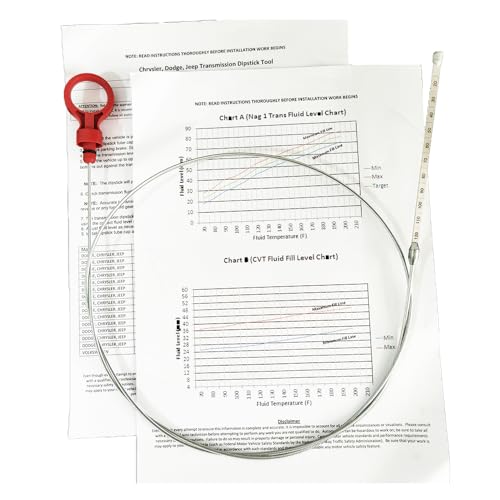
Replacement Part #: 8863B, 9336, 9336A, 917-327 42RLE, NAG1, 45RFE, 62TE.
Post-Flush Transmission Fluid Issues
After flushing the transmission fluid on your Dodge Hornet, you may encounter several issues that could affect performance. Understanding these potential problems is crucial for ensuring your vehicle operates smoothly post-service. This section will explore common post-flush transmission fluid issues and how to address them effectively.
If you experience problems after flushing the fluid, consider these common issues.
-
Fluid leaks: Inspect the pan and connections for tightness.
-
Shifting problems: Check for proper fluid levels and quality.
-
Overheating: Ensure the cooling lines are clear and functioning.
Transmission Fluid Maintenance Best Practices
Maintaining the transmission fluid in your Dodge Hornet is crucial for ensuring optimal performance and longevity. This section outlines best practices for transmission fluid maintenance, providing you with essential tips to keep your vehicle running smoothly and efficiently. By following these guidelines, you can prevent costly repairs and enhance the overall driving experience.
Maintaining your transmission is crucial for longevity. Regular checks and fluid changes will help prevent future issues.
-
Schedule regular fluid changes: Every 30,000 to 60,000 miles is a good rule of thumb.
-
Inspect the transmission regularly for leaks and performance issues.
-
Keep records of maintenance to track fluid changes and repairs.
Transmission Fluid Maintenance Alerts
Regular transmission fluid maintenance is crucial for the longevity and performance of your Dodge Hornet. Being aware of specific alerts and signs can help you identify when it’s time to flush the transmission fluid, ensuring your vehicle operates smoothly and efficiently. This section will outline the key indicators that signal the need for fluid maintenance.
Failure to maintain proper fluid levels can lead to severe transmission damage.
Transmission Fluid Flush Procedure
Flushing the transmission fluid in your Dodge Hornet is an essential maintenance task that can enhance performance and extend the life of your vehicle. This section outlines a step-by-step procedure to effectively flush the transmission fluid, ensuring that you have the necessary knowledge and tools for a successful DIY service. Follow these guidelines to keep your transmission running smoothly.
Follow these detailed steps to ensure a successful transmission fluid flush on your Dodge Hornet. Regular maintenance will keep your vehicle running smoothly and efficiently.
