

Have you ever found yourself driving on a rainy day, only to discover your windshield washer fluid sprayer isn’t working? It’s frustrating when you can’t clear your view, especially when visibility is crucial. You’re not alone—many drivers face this common issue.
Key Takeaways
- Common Issues: Malfunctions in windshield washer fluid sprayers often stem from clogged nozzles, low fluid levels, faulty pumps, electrical problems, or frozen fluid, particularly in adverse weather conditions.
- Essential Tools: Use a screwdriver set, pliers, wrench set, clean cloth, funnel, and hose cutter to effectively repair your washer fluid sprayer.
- Diagnosing Problems: Start troubleshooting by checking for sound when the sprayer is activated and inspecting fluid flow to determine the nature of the issue.
- Maintenance Tips: Regularly inspect fluid levels, test sprayer function, and clean nozzles to ensure optimal performance and visibility while driving.
- Seasonal Preparations: Use winter-grade washer fluid in colder months and regularly replace the fluid in warmer seasons to prevent freezing and ensure cleaning effectiveness.
- Preventive Practices: Conduct monthly checks and refills, monitor hose connections, and carry out seasonal maintenance to maintain the reliability of your windshield washer fluid sprayer.
Understanding Windshield Washer Fluid Sprayers
Windshield washer fluid sprayers play a vital role in maintaining visibility while driving. When these sprayers malfunction, drivers often face challenges, especially in adverse weather conditions.
Recommended Products

[High quality]: The Windshield Washer Hose Kit adopts high-quality Nylon Material, with light weight, strong corrosion resistance and durability, High quality to efficiently prolong the Wiper blade life time

Durable Quality: The car wash nozzle is made of high-quality materials, sturdy, waterproof and not easily damaged. This nozzle is a good helper for cleaning cars and can effectively extend the service life of the wiper blades.
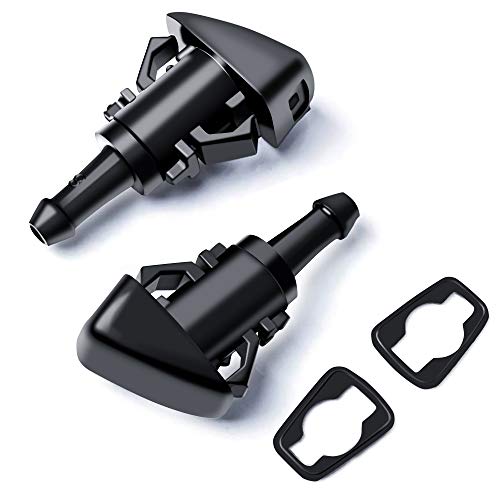
Replace OEM: # 4805742AB, 4805742AC, 5116079AA, 5113049AA, 5303833AA, 55077460AA, 5160308AA
Common Causes of Malfunctions
- Clogged Nozzles: Dirt and debris can block the sprayer nozzles. Regular cleaning keeps them clear.
- Low Fluid Levels: Insufficient washer fluid prevents sprayers from functioning. Always check fluid levels regularly.
- Faulty Pump: A malfunctioning pump won’t create the pressure needed to spray fluid. Testing the pump can identify issues.
- Electrical Issues: Problems with wiring or fuses can disrupt power to the sprayer. Inspecting connections helps pinpoint faults.
- Frozen Fluid: In cold weather, washer fluid may freeze. Use a winter-grade fluid to avoid this issue.
Importance of Proper Functioning
Properly functioning windshield washer fluid sprayers ensure your visibility during rain, snow, or dirt conditions. They contribute to road safety by helping you maintain a clear view of the road. Regular maintenance of the sprayers allows for effective cleaning and aids in preventing dangerous situations on the road.
Tools and Materials Needed
To fix your windshield washer fluid sprayer, you’ll require specific tools and materials. Having the right items on hand makes the repair process smoother and more efficient.
Recommended Products

HIGH QUALITY MATERIAL: The windshield washer hose kit is made of high quality rubber, soft and elastic, strong and durable.

【What You Get】You will receive a 52-In-1 windshield washer nozzle hose kit to replace your aging windshield sprayer nozzles and washer fluid hose connected to the car water pump. This windshield washer hose repair kit ensures smooth water spray and quick windshield cleaning, keeping you always have a clear view for safe driving. Note: Please check the OEM part number or measure your size before purchasing to make sure it matches.

EASY INSTALLATION & REPLACEMENT: Replace damaged windshield washer hoses anytime — even traveling or in emergencies; connect the water pump and windshield nozzle easily to restore smooth water spray, no special tools needed
Essential Tools for the Job
- Screwdriver Set: Use Phillips and flathead screwdrivers to access the sprayer components.
- Pliers: Grab a pair of pliers for removing and adjusting hoses.
- Wrench Set: A socket or open-end wrench helps in loosening any clamps.
- Clean Cloth: Keep a clean cloth handy for wiping spills or cleaning components.
- Funnel: A funnel makes adding new washer fluid easier and mess-free.
- Hose Cutter: Use a hose cutter if you need to replace or shorten hoses.
- Pre-Mixed Washer Fluids: Most convenient for immediate use. Look for formulations labeled as “all-season” or “rain repellent.”
- Concentrated Washer Fluid: Mix with water according to manufacturer instructions. This type often offers powerful cleaning properties.
- Antifreeze Formula: In colder climates, use washer fluids designed to prevent freezing. Ensure it operates in temperatures well below freezing.
- Eco-Friendly Options: Consider biodegradable washer fluids if you’re environmentally conscious. These are effective yet gentle on surfaces.
By gathering these tools and choosing the right washer fluid, you set yourself up for a successful repair of your windshield washer fluid sprayer.
Step-by-Step Guide to Fixing the Sprayer
This guide helps you troubleshoot and fix common issues with your windshield washer fluid sprayer.
Recommended Products

【High Quality】Made of premium plastic and high quality rubber which is anti-corrision, soft and flexible, ruggedly built to last years, Direct replaces your original one.

【Windshield Washer Nozzles Kit】:This windshield cleaning hose kit is used to replace old/aged nozzles and hoses, ensuring smooth water spraying and helping you quickly clean dust, snowflakes, or other pollutants on the windshield, restoring clear vision and ensuring safe driving.
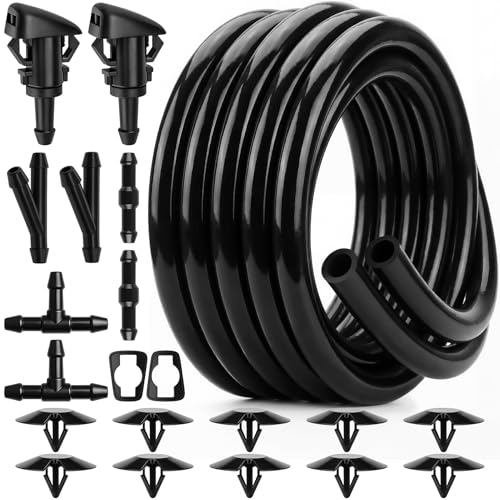
Durable Replacement Washer Hose Kit: Made of flexible rubber hose and tough plastic fan nozzles, resistant to cracking and corrosion, designed to replace aging or leaking windshield washer tubing and restore normal washer fluid flow.
Diagnosing the Problem
Start by identifying the issue. Check if the sprayer pumps fluid but doesn’t spray, or if there’s no sound when you activate it. If there’s no sound, a faulty pump or electrical issue is likely. If it’s pumping but not spraying, clogged nozzles or hoses could be the problem.
Cleaning the Nozzles
Clean the nozzles to prevent clogs. Use a small needle or pin to gently poke into the nozzle openings. This breaks up any debris. After clearing, spray water to test. If the fluid sprays evenly, the issue was likely a clogged nozzle.
Checking the Washer Fluid Pump
Inspect the washer fluid pump next. Locate the pump, usually found near the washer fluid reservoir. Disconnect the wiring harness and use a multimeter to check for electrical current. If there’s no current, the pump may need replacement. If it works, ensure fluid fills the reservoir.
Inspecting the Hoses and Connections
Examine the hoses and connections for leaks or blockages. Look for any kinks, cracks, or loose fittings. Tighten or replace any damaged sections. Ensure all hoses connect securely to the pump and sprayer. Run the system again to check for improved performance.
Preventive Maintenance Tips
Regular maintenance ensures your windshield washer fluid sprayer works effectively, helping you maintain clear visibility. Follow these essential tips for optimal performance.
Regular Checks and Refills
- Inspect Fluid Levels: Check your washer fluid reservoir monthly. Low fluid levels can lead to poor sprayer performance. Top up with an appropriate washer fluid when necessary.
- Test Sprayer Function: Activate the sprayer at least once a month. Ensure fluid sprays evenly across the windshield. If it fails, check for clogs or pump issues.
- Monitor Nozzle Condition: Examine nozzles for debris or build-up. Clean them with a soft brush or fine needle as needed to maintain proper spray patterns.
- Winter Prep: In winter, use washer fluid designed for freezing temperatures. This prevents fluid from freezing in the reservoir and lines.
- Summer Checks: In warmer months, inspect fluid for contamination. Replace fluid every few months to ensure it works effectively.
- Inspect Hoses and Connections: Regularly inspect hoses for leaks or cracks. Tighten connections to eliminate water loss and maintain sprayer pressure.
By implementing these preventive maintenance practices, you’ll keep your windshield washer fluid sprayer in top condition, promoting safe driving in all weather conditions.
Conclusion
Keeping your windshield washer fluid sprayer in top shape is essential for safe driving. By regularly checking and maintaining your system you can avoid those frustrating moments when you need it most. Remember to use the right fluid for the season and inspect your hoses and nozzles for any issues.
With a little effort you can ensure clear visibility no matter the weather. So take the time to give your sprayer the attention it deserves and enjoy a safer driving experience. Happy driving!
Frequently Asked Questions
What causes windshield washer fluid sprayers to malfunction?
Windshield washer fluid sprayers can malfunction due to clogged nozzles, low fluid levels, faulty pumps, electrical issues, or frozen fluid in cold weather. Regular maintenance can help minimize these problems.
How can I prevent clogging in my washer fluid sprayers?
To prevent clogging, use high-quality washer fluid, regularly check and refill the fluid, and clean the nozzles periodically. It’s also beneficial to avoid using water alone as it can freeze or cause residue buildup.
What should I do if my washer sprayers are not working?
If your washer sprayers are not working, first check the fluid level. If it’s sufficient, inspect for clogged nozzles, faulty pump, or electrical issues. If needed, consult a mechanic for further diagnosis.
Can winter weather affect washer fluid sprayers?
Yes, winter weather can freeze the washer fluid, especially if it’s not rated for low temperatures. Ensure you use an appropriate winter washer fluid to prevent freezing and maintain effective sprayer performance.
How often should I check my windshield washer fluid?
It’s good practice to check your windshield washer fluid every month and refill as necessary. Regular checks, especially before long trips or during changing weather, help maintain optimal visibility and safety.
