

Have you ever hit the road only to find your windshield washer fluid isn’t spraying? It’s frustrating when you need a clear view, especially during a downpour. A clogged or damaged washer fluid line can turn a simple drive into a hassle.
Key Takeaways
- Identify Common Issues: Recognize problems such as clogs, leaks, broken nozzles, and pump failures to maintain effective washer fluid line operation.
- Gather Essential Tools: Use necessary tools like screwdrivers, pliers, wrenches, and hose cutters to simplify the repair process.
- Diagnose Problems Early: Perform visual inspections to check for damage and ensure the fluid reservoir is full before attempting repairs.
- Repair or Replace Damaged Sections: Address leaks promptly by sealing small cracks or replacing larger damaged sections to avoid future issues.
- Regular Maintenance: Conduct check-ups every 3-6 months to inspect for wear, ensuring optimal performance of the washer fluid line.
- Use Quality Washer Fluid: Always fill the reservoir with high-quality washer fluid to prevent freezing and maintain clear visibility.
Understanding Washer Fluid Line Issues
Washer fluid line problems can significantly affect your vehicle’s performance, especially during adverse weather conditions. It’s essential to recognize potential issues in order to maintain visibility on the road.
Common Problems
- Clogs: Debris or dirt can block the line, preventing washer fluid from reaching the windshield. Clogs often form in the nozzles or hoses.
- Leaks: Damage to hoses or fittings often leads to leaks. Leaks cause fluid to drip onto the ground instead of spraying onto the windshield.
- Broken Nozzles: Nozzles can wear out or break, resulting in uneven fluid distribution or none at all.
- Pump Failures: The pump might malfunction due to electrical issues or wear, preventing the washer fluid from spraying.
- No Fluid Spray: If your windshield washer doesn’t spray fluid, the line may be clogged or the pump may have failed.
- Weak Spray: A weak spray often indicates low fluid levels, clogs, or a failing pump.
- Fluid Puddles: If you notice fluid pooling under your car, check for leaks in the hoses or fittings.
- Ineffective Cleaning: If your windshield remains dirty after using the washer, it may signal a problem with the nozzles or fluid delivery system.
Tools and Materials Needed
Gathering the right tools and materials simplifies fixing the washer fluid line. Below are essential items for the task.
Recommended Products

[Universal Fit & Complete Kit]: This windshield washer hose kit includes a 3-meter (9.84ft) high-quality hose and 12 essential connectors. It is engineered to replace aging or damaged lines, restoring smooth water spray to your windshield for clear visibility.

EASY INSTALLATION & REPLACEMENT: Replace damaged windshield washer hoses anytime — even traveling or in emergencies; connect the water pump and windshield nozzle easily to restore smooth water spray, no special tools needed

Windshield Washer Hose Repair Kit -- The washer hose kit is easy to replace and install. Windshield washer hose kits help you easily and quickly replace aging hoses and properly connect your car's water pump to the windshield nozzle to ensure smooth water spraying and glass cleaning. You can replace the new windshield wiper hose repair kit by yourself to save money for your loved automotive car.
Essential Tools
- Screwdriver Set: A complete set helps in removing various screws.
- Pliers: Use them for gripping and removing small parts or clamps.
- Wrench Set: A metric wrench set is necessary for loosening nuts on the washer fluid system.
- Hose Cutter: A hose cutter makes it easy to cut damaged sections of the washer fluid line.
- Electrical Tape: Keeps connections secure and prevents leaks.
- Clean Cloth: A cloth helps in keeping surfaces clean and wiping spills.
- Bucket: Use a bucket to catch any spilled washer fluid.
- Windshield Washer Fluid: Purchase fluid designed for your climate. Winter blends resist freezing, while summer blends tackle bugs and grime.
- Additives: Use additives to enhance cleaning power or prevent freeze-ups, especially in cold climates.
- Sealant Tape: Apply tape to joints or damaged areas for a temporary fix until a permanent solution is in place.
Having these tools and materials on hand ensures you can quickly and efficiently repair the washer fluid line, keeping your visibility optimal.
Step-By-Step Guide to Fixing Washer Fluid Line
Fixing a washer fluid line involves a few straightforward steps. Follow the guide below to diagnose and repair any issues effectively.
Recommended Products

HIGH QUALITY MATERIAL: The windshield washer hose kit is made of high quality rubber, soft and elastic, strong and durable.
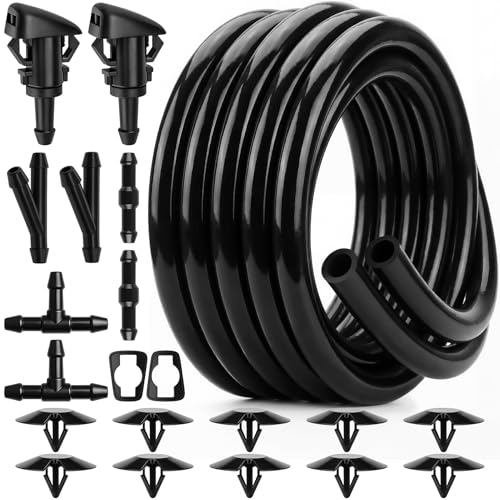
Durable Replacement Washer Hose Kit: Made of flexible rubber hose and tough plastic fan nozzles, resistant to cracking and corrosion, designed to replace aging or leaking windshield washer tubing and restore normal washer fluid flow.
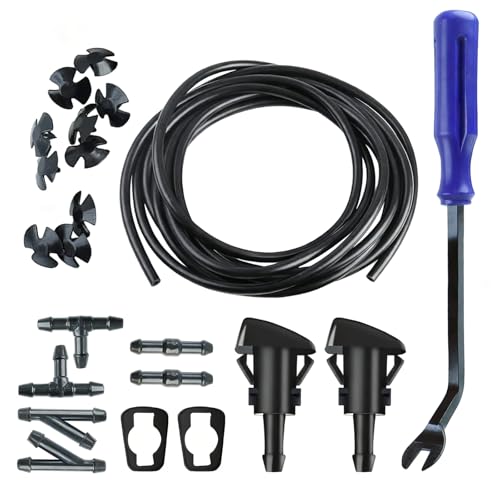
Premium Quality: This windshield washer hose kit employs premium rubber material that is flexible and resilient, withstanding extreme weather conditions. The nozzles feature high-hardness plastic construction, offering robust durability, resistance to cracking or deformation, and extended service life.
Diagnosing the Issue
Diagnosing washer fluid line problems starts with a visual inspection. Check the entire line for any visible damage, including cracks or breaks. Listen for unusual sounds from the washer pump; a humming noise may indicate a pump issue. If the fluid doesn’t spray, verify that the reservoir is full and that the fuse for the washer system is intact. If these components check out, examine the lines for clogs by gently squeezing them.
Repairing Leaks
Repairing leaks requires quick action to avoid further damage. First, locate the leak by following the fluid line from the reservoir to the nozzles. If the line has a small crack, apply a suitable epoxy or a rubber patch to seal it. Use hose clamps to secure the repaired section if necessary. For larger holes, replace the damaged segment. Cut out the faulty section using hose cutters and attach a new piece with connectors and clamps. Ensure all connections are tight to prevent future leaks.
Replacing Damaged Sections
Replacing damaged sections is vital for optimal functionality. Begin by cutting out the damaged portion using hose cutters, ensuring clean cuts for a watertight fit. Measure and cut a new line to match the length of the removed section. Slide on hose connectors or clamps and attach the new line securely to the existing framework. Reconnect the new line to the reservoir and nozzles, ensuring that all fittings are snug. Finally, fill the reservoir with washer fluid and test the system by activating the washer. Confirm that the fluid sprays correctly from the nozzles.
Maintenance Tips for Washer Fluid Lines
Maintaining washer fluid lines ensures they function correctly and provide clear visibility while driving. Follow these tips to keep your system in top shape.
Recommended Products

[High Materials] Windshield washer hose is made of high-quality rubber material, which is soft and flexible and can adapt to extreme weather conditions such as high and low temperatures; the hose connector and windshield sprayer nozzle are made of high-quality plastic material, which is durable, not easy to break, not easy to deform, and has a longer service life.

High Quality Material: The windshield washer hose kit is made of high quality rubber material, soft and flexible, strong and durable for long-term use. The front windshield nozzle is made of high quality plastic, which is tough, not easy to break, light weight and corrosion resistant, which can effectively extend the service life of the wiper blade.

【Package Included】: You will receive a windshield washer hose, 4 × T-type hose connectors, 4 × Y-type hose connectors and 4 × I-type hose connectors. The length of the hose is 13.12 feet/4 meters, please confirm the length of the hose before purchase.
Regular Check-ups
Check the washer fluid lines every three to six months for signs of wear or damage. Look for cracks, leaks, or detachment. Make sure the fluid reservoir is full. A dry reservoir often indicates a system issue. Inspect the nozzle spray pattern; it should be even without blockage. If the lines feel brittle or discolored, they may need replacement.
Preventative Measures
Keep your washer fluid lines clear by using high-quality washer fluid. Avoid using plain water, which can freeze and cause damage in colder months. Use a funnel while filling the reservoir to prevent spills that can lead to clogs. Store your vehicle in a garage to protect it from extreme temperatures and environmental damage. Lastly, run the washer pump regularly, even during dry weather, to keep the fluid circulating and the lines clear.
Conclusion
Taking the time to fix your washer fluid line can make a big difference in your driving experience. With clear visibility you’ll feel safer and more confident on the road. Regular maintenance is key to preventing issues before they start.
Make it a habit to check your washer fluid lines every few months. By staying proactive you can avoid the hassle of sudden repairs. Remember to use quality washer fluid and run your pump regularly to keep everything in top shape.
With the right tools and a little know-how you can tackle these repairs easily. Enjoy the peace of mind that comes with a well-functioning washer system. Safe travels!
Frequently Asked Questions
What are the common issues with windshield washer fluid lines?
Clogs, leaks, and pump failures are the most common issues with windshield washer fluid lines. Clogs can prevent fluid flow, leaks result in fluid loss, and pump failures stop the system from working altogether. Addressing these issues promptly is crucial for maintaining clear visibility while driving.
How can I tell if my washer fluid lines are damaged?
Signs of damaged washer fluid lines include reduced fluid spray, visible leaks, and unusual noises from the pump. If your windshield washer is not functioning effectively, it’s essential to inspect the lines for clogs or damage.
How can I fix clogged washer fluid lines?
To fix clogged washer fluid lines, first identify the clog by visually inspecting the lines. Disconnect the lines if necessary, and use a thin wire or compressed air to clear blockages. Replace any damaged sections to restore functionality.
How often should I check my washer fluid lines?
It’s recommended to check your washer fluid lines every three to six months. Regular inspections can help identify wear or damage early, ensuring your washer system remains functional and effective.
What preventive measures can I take for my washer fluid lines?
Using high-quality washer fluid, running the washer pump regularly, and storing your vehicle in a garage can help prevent damage. These practices keep the lines clear and in good condition.
What tools do I need to repair washer fluid lines?
Essential tools for repairing washer fluid lines include a socket set, pliers, a screwdriver, and a utility knife. Having the right materials, like replacement lines or connectors, is also important for effective repairs.
