

Ever been caught in a downpour only to realize your washer fluid is low? It’s frustrating when you can’t see clearly through your windshield. You might be wondering how to fix this pesky problem quickly and easily.
Key Takeaways
- Understanding Causes: Low washer fluid can result from frequent use, leaks, cold temperatures, neglect, or contaminated fluid, impacting driving safety.
- Recognizing Symptoms: Look for warning lights, ineffective wipers, dry nozzles, or unusual sounds from the pump as indicators of low washer fluid.
- Checking Fluid Level: Regularly check the washer fluid level using your vehicle manual, a funnel, and clean fluid to ensure clear visibility.
- Refilling Correctly: Always choose the right washer fluid based on seasonal needs and follow proper refilling steps to maintain optimal performance.
- Troubleshooting Issues: Diagnose and resolve clogs, leaks, or pump failures promptly to keep your washer fluid system functioning effectively.
- Regular Maintenance: Consistently checking and maintaining your washer fluid system enhances safety and driving comfort, especially in adverse weather conditions.
Understanding Low Washer Fluid
Low washer fluid often leads to unsafe driving conditions, especially during rain or dusty situations. Knowing the causes and symptoms helps you address this issue quickly.
Common Causes of Low Washer Fluid
- Frequent Use: Regularly using your wipers during bad weather can deplete the fluid.
- Leaks: Cracks or loose connections in the washer fluid reservoir can lead to slow leakage.
- Cold Temperatures: Freezing can damage the reservoir or the pump, leading to fluid loss when it thaws.
- Neglect: Forgetting to refill the reservoir can result in a low fluid level over time.
- Contaminated Fluid: If the washer fluid contains debris or has expired, it might become less effective, causing misuse and quicker depletion.
- Warning Light: A dedicated low washer fluid warning light often appears on your dashboard.
- Ineffective Wipers: Wipers may smear or leave streaks rather than effectively cleaning the windshield.
- Dry Nozzle: If the spray from the washer nozzle is weak or nonexistent, that signals fluid levels are low.
- Sound of the Pump: If you hear a grating or whining noise when activating the washer system, the pump may be struggling due to low fluid.
Recognizing these signs ensures you deal with low washer fluid before it affects your visibility and safety on the road.
How to Check Washer Fluid Level
Checking your washer fluid level keeps your visibility clear in any weather. This simple task ensures you remain safe on the road.
Recommended Products

【COMPATIBLE WITH MODEL 3 & MODEL Y】 Designed for Tesla Model 3 2017–2026 and Model Y 2020–2026 washer fluid filler necks. For refreshed 2025–2026 Model Y / Juniper models, the filler opening is positioned closer to surrounding trim, so clearance may be tighter. The funnel can be used for refilling; remove it after use if it contacts the weather seal or surrounding trim.

This item can no be shipped to the state in California, Техаs, Arizona please check with the manufacturer regarding warranty and support issues.

Removes and repels the toughest road grime
Tools Needed for Checking
- Owner’s Manual: Refers to your vehicle’s specifications and recommendations.
- Funnel: Helps to avoid spills when adding fluid.
- Washer Fluid: Ensures you refill with the correct fluid type.
- Clean Cloth or Towel: Wipes up any spills during the process.
- Locate the Reservoir: Open the hood and find the washer fluid reservoir. It’s usually marked with a windshield symbol.
- Check the Level: Look at the reservoir’s side. Most have markings for low and full levels. If it’s below the low mark, you need more fluid.
- Remove the Cap: Twist or pull off the cap carefully to avoid spills.
- Use a Funnel: Position the funnel over the opening. This keeps the area clean.
- Add Washer Fluid: Pour the washer fluid into the reservoir until it reaches the full mark.
- Replace the Cap: Securely put the cap back on to prevent leaks.
- Close the Hood: Ensure the hood is fully closed for safety while driving.
Follow these steps regularly, especially before long trips or during seasonal changes. Keeping your washer fluid topped off enhances visibility and ensures safer driving.
How to Refill Washer Fluid
Refilling washer fluid is a straightforward process that ensures clear visibility while driving. Follow these steps for an efficient refill.
Recommended Products

SUPER CONCENTRATED WASHER FLUID: 16 fl oz washer fluid bottle makes 165 gallons of summer blend washer fluid. Just pump three times per gallon of water, directly into your windshield washer fluid tank.
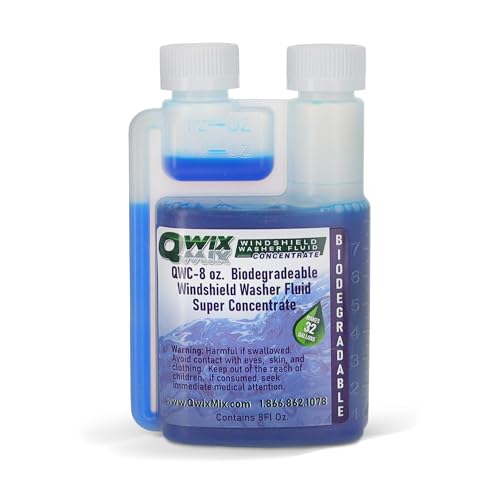
[Super Concentrated Savings] Qwix Mix windshield washer fluid concentrate makes up to 55 gallons of premium windshield washer fluid from one 8 oz bottle, saving money versus pre-mixed windshield washer fluids

Windshield washer: 1 piece of concentrated cleaning tablet is equivalent to 1.05 gallon of glass cleaning fluid, with strong cleaning power, can easily clean the dust and stains on your windshield, make the windshield clean, and ensure the driving safety of the car
Choosing the Right Washer Fluid
Choosing the appropriate washer fluid enhances performance and protects your windshield. Consider these factors:
- Seasonal Variations: Use summer formulas for effective bug removal and winter formulas with antifreeze properties for freezing temperatures.
- Ready-to-Use vs. Concentrate: Ready-to-use fluids require no mixing, while concentrated options need dilution with water.
- Additives: Look for fluids with anti-streak agents and biodegradable components to ensure a clean, environmentally friendly solution.
Refilling Process
Follow these steps to refill your washer fluid:
- Gather Supplies: Collect a funnel and a clean towel.
- Locate Reservoir: Open the hood and find the washer fluid reservoir, usually marked with a windshield symbol.
- Check Fluid Level: Inspect the reservoir for the fluid level. If it’s low, proceed to the next step.
- Add Fluid: Insert the funnel into the opening, then pour the washer fluid into the reservoir until it reaches the fill line.
- Secure Cap: Remove the funnel and tightly close the cap to prevent spills.
- Close Hood: Ensure the hood is securely latched before driving.
Regularly checking and refilling washer fluid helps maintain optimal visibility, especially in adverse weather conditions.
Troubleshooting Washer Fluid Issues
Addressing washer fluid issues promptly keeps your visibility clear. Follow these steps for effective troubleshooting.
Recommended Products

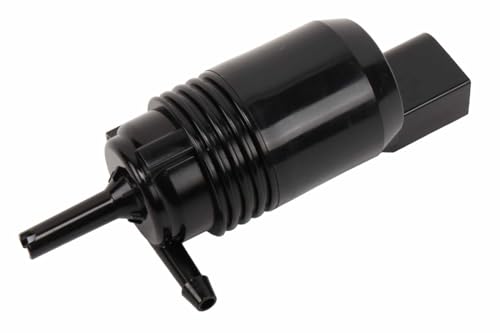
💦 Buyer's Guide: If you buy it you will receive 1pcs 12V windshield washer pump with size 3.04*1.14*0.76 inch and 1pcs rubber grommet. OEM#85330-60190, 85330-AE010, 85330-60180, 85330-21010. Please check the OEM number and compatible models carefully before you place an order to avoid not working properly after purchase.

Vehicle Applications: OTUAYAUTO windshield washer pump replacment for 2011-2018 Ford Explorer, 2007-2012 Ford Edge, 2011-2012 Ford Fiesta, 2009-2009 Ford Flex, 2013-2013 Ford Flex, 2007-2012 Ford Mondeo V Turnier
Leading Manufacturer Of High-Quality Products
Diagnosing Clogs in the System
Identifying clogs in the washer fluid system can resolve your fluid issues. Look for the following signs:
- Nozzle Blockage: If washer fluid isn’t spraying, check the nozzles. Debris or ice can block them. Clear blockages with a pin or needle.
- Hose Inspection: Examine hoses for kinks or damage. Kinks restrict flow. Replace damaged hoses to restore proper function.
- Fluid Backflow: If fluid drains back after use, your system might have a clog. Clear the lines by running a thin wire through the hoses.
- Leaking Fluid: Puddles under the vehicle indicate a leak. Inspect the connections and hoses. Tighten loose fittings or replace damaged components.
Checking the Washer Pump
Verifying the washer pump ensures it functions properly. Follow these steps:
- Listen for Activation: Turn on your washer fluid while observing. If you hear the pump but fluid doesn’t spray, the system has a blockage.
- Check Power Supply: A non-functioning pump might need power. Check the fuse box for blown fuses linked to the washer system. Replace any faulty fuses.
- Inspect the Pump: If no sounds come from the pump, inspect it for damage or corrosion. Remove the pump and test it by connecting it directly to a power source. If it operates, reinstall it properly.
- Pump Replacement: If the pump fails during testing, replace it. Choose a compatible pump model for your vehicle. Installation usually requires minimal tools.
Regular maintenance of your washer fluid system enhances safety and driving comfort. Address issues promptly to maintain optimal performance.
Conclusion
Keeping your washer fluid topped off is essential for safe driving. Regular checks can save you from visibility issues when you need it most. By following the steps to refill and troubleshoot, you’ll ensure your system works smoothly.
Don’t forget to monitor your washer fluid levels and address any problems right away. A little maintenance goes a long way in keeping you and your passengers safe on the road. So next time you hit the road, you can drive with confidence knowing your washer fluid is ready to tackle whatever the weather throws your way.
Frequently Asked Questions
Why is washer fluid important for driving safety?
Washer fluid is essential for maintaining clear visibility while driving, especially during inclement weather. Low or empty washer fluid can lead to dangerous driving conditions as it impairs your ability to see the road and other vehicles clearly.
How do I refill my washer fluid?
To refill washer fluid, open the hood of your vehicle and locate the washer fluid reservoir. Remove the cap and pour the appropriate washer fluid into the reservoir until it’s full. Ensure you choose the right fluid based on the season to maintain optimal performance.
What type of washer fluid should I use?
Choose washer fluid based on seasonal needs. In winter, use fluid with antifreeze properties to prevent freezing. In summer, opt for a cleaner that effectively removes grime and insects. Always check the label for compatibility with your vehicle.
How can I identify a clog in the washer fluid system?
If your washers are not spraying fluid, you may have a clog. Check the nozzle openings for debris or blockage. You can also test the system by listening for the pump when activated; if there’s no sound, the issue may be deeper in the system.
What should I do if my washer pump isn’t working?
If the washer pump doesn’t work, first check the fuse to ensure it’s functioning correctly. If the fuse is fine, inspect the pump itself for power supply issues or damage. Replacing the pump may be necessary if it’s malfunctioning.
How often should I check and maintain my washer fluid system?
Regular maintenance of your washer fluid system is crucial. Check the fluid level monthly and inspect the system for clogs, leaks, or bad pumps every few months, especially before long trips or during seasonal changes.
Can I use water instead of washer fluid?
While water can temporarily clean your windshield, it’s not recommended for long-term use. It can freeze in cold weather, cause streaking, and may not adequately remove dirt or grime like dedicated washer fluid does.
