

Have you ever found yourself in a bind with a washer fluid tank that’s overflowing or needs a good clean-out? It’s a common issue that can lead to messy spills or even damage your vehicle. Knowing how to empty your washer fluid tank can save you from these headaches and keep your car running smoothly.
Key Takeaways
- Understanding Washer Fluid Tanks: They are essential for vehicle maintenance, helping to maintain visibility by cleaning your windshield effectively.
- Maintenance Importance: Regular checks and cleaning of the washer fluid tank prevent clogs and ensure efficient performance, enhancing driving safety.
- Essential Tools: Use a siphon pump, container, funnel, rags, wrench, and protective gloves to safely and effectively empty the washer fluid tank.
- Step-by-Step Process: Follow a clear procedure: drain the fluid, rinse the tank, and ensure it is dry before reassembling components for optimal functionality.
- Regular Checks and Right Fluid: Consistently check fluid levels and choose the right washer fluid suitable for your climate to maintain effective performance.
Understanding Washer Fluid Tanks
Washer fluid tanks play a vital role in vehicle maintenance. Understanding their purpose and importance helps ensure your vehicle’s optimal performance.
Purpose of Washer Fluid
Washer fluid is crucial for maintaining visibility while driving. It cleans your windshield and removes debris like dirt, bugs, and grime. A functional washer fluid tank contains a specific type of fluid designed to tolerate low temperatures and resist freezing. Proper use enhances safety by providing a clear view of the road and surroundings.
Importance of Maintenance
Regular maintenance of your washer fluid tank prevents clogs and ensures efficiency. Checking the fluid level frequently helps avoid running low during crucial moments. Flushing out old or contaminated fluid helps maintain the system’s effectiveness. Inspecting hoses and nozzles for blockages keeps the washer fluid spraying evenly, ensuring your windshield stays clean.
Tools Needed for Emptying Washer Fluid Tank
Emptying your washer fluid tank requires specific tools for efficiency and safety. Preparing these tools ahead of time simplifies the process.
Recommended Products

Complete Kit: Different automotive funnels handle any pour job, long-neck, wide-mouth, flex-hose and snap-on styles all included. A siphon pump lets you extract old fuel or fluids from tanks without removing drain plugs

STOP WASTING TIME DIPPING AND POURING FROM 5-GALLON PAILS - Sized as the smallest pump in the Groz SPH series specifically for 5 to 20 liter / 5 gallon pails, this siphon transfers up to 2 GPM (6.5 LPM) of water-based fluid with no electricity, batteries, or mess.

HANDS FREE FUEL TRANSFER - Never lift a heavy can again! Effortlessly transfer fuel with our portable battery powered fuel transfer pump. During Emergency situations or Daily liquid transfer needs. Our convenient power nozzle design lets you operate the pump straight from the nozzle. (Runs on 4x AA Batteries, not included).
Essential Tools
- Siphon Pump: Allows you to remove fluid easily without spilling.
- Container: Used to collect the old washer fluid safely. Choose one with a lid for secure transportation.
- Funnel: Helps guide the fluid into your container, preventing mess.
- Rags or Towels: Handy for cleaning up any spills or drips along the way.
- Wrench: Might help if the washer fluid tank has a drain plug that needs loosening.
- Long-Hose Connector: Can extend your reach when siphoning fluid from hard-to-reach areas.
- Protective Gloves: Keeps your hands clean and safe from chemicals in the washer fluid.
Step-by-Step Guide on How to Empty Washer Fluid Tank
Follow these steps to efficiently empty your washer fluid tank, ensuring clarity in your vehicle’s visibility.
Recommended Products

Replacement Part Number: 76806-SZA-A12; 76806SZAA12
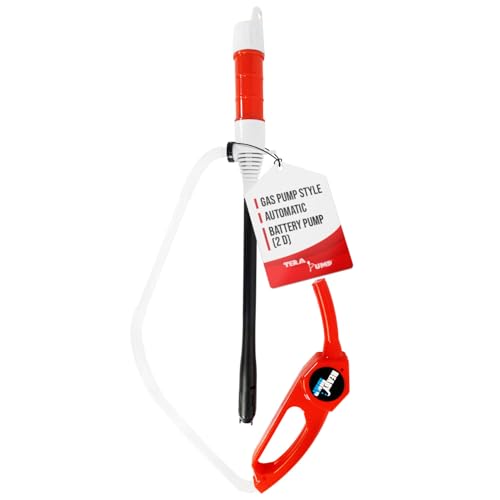
TRANSFER RATES: Transfers up to 1.8 Gallons per Minute or 7 Liters per Minute with Ready Pump Nozzle (Gas Pump Style Nozzle) - Replacement motor cap & battery cover (Sold Separately) - Built-in hook for easy storage in the garage or shop

[ FLOW CAPACITY ] Moves a maximum of 5.5 Gallons per Minute using Manual Piston Action - Flexible 47.2-inch Discharge Hose with corrugated design and an integrated nozzle holder - Twist the Air Vent Cap clockwise to generate a siphon vacuum or turn it counterclockwise to halt or reduce the flow
Safety Precautions
Wear protective gloves to shield your hands from chemicals. Make sure you work in a well-ventilated area to avoid inhaling any fumes. Clear any obstacles around your vehicle to ensure a safe, uncluttered workspace. Check your vehicle’s manual for specific guidelines related to your particular model.
Draining the Fluid
- Locate the washer fluid reservoir. It’s usually near the back of the engine bay.
- Remove the cap from the reservoir. This allows air into the tank for easier draining.
- Attach the siphon pump to the reservoir’s opening. Ensure a snug fit to prevent leaks.
- Place the other end of the siphon pump into a container to catch the fluid.
- Operate the siphon pump to drain the liquid completely. Keep an eye on the container to prevent overflows.
- Use a funnel for better control while transferring fluid if necessary.
- After draining, inspect the inside of the tank for residue. If necessary, wipe the tank with a rag.
- Pour a small amount of clean water into the tank. Swirl it around to loosen any remaining debris.
- Drain the tank again using the siphon pump. Empty the container properly.
- Repeat the rinsing process until the water runs clear.
- Allow the tank to dry completely before reassembling any components.
These procedures keep your washer fluid system functioning optimally and improve visibility during driving conditions.
Tips for Maintaining Your Washer Fluid System
Maintaining your washer fluid system ensures optimal visibility and safety while driving. Follow these tips to keep your system in top shape.
Recommended Products

Removes and repels the toughest road grime

32°F+ Summer Blend: Ideal for warm-weather driving conditions while maintaining optimal cleaning power

EFFORTLESS CLEANING: Enjoy hassle-free maintenance with ABRO's pre-mixed windshield wiper fluid formula, saving you time and effort in preparing the solution for streak-free clarity.
Regular Checks
Check your washer fluid levels regularly. Aim for once a month or before long trips. Remove the cap and inspect the fluid level. If it’s low, fill it up. Look for any cracks or leaks in the reservoir that could lead to fluid loss. Regular checks help you avoid unexpected situations when you need it most.
Choosing the Right Fluid
Choose the right washer fluid for your vehicle. Find a fluid that works well in your climate. Some fluids are better for freezing temperatures, while others handle bugs and dirt effectively. Look for products that are safe for your vehicle’s surfaces. Reading labels ensures you select a fluid that meets your needs, providing better cleaning and protection for your windshield.
Conclusion
Keeping your washer fluid tank in top shape is key to safe driving. By regularly emptying and cleaning the tank you ensure clear visibility when it matters most. Remember to check fluid levels and look for leaks to avoid any surprises on the road.
Choosing the right washer fluid for your climate can also make a big difference. With these simple steps and tips you’ll not only maintain your washer fluid system but also enhance your overall driving experience. Stay safe and keep your view clear!
Frequently Asked Questions
What is the importance of maintaining the washer fluid tank?
Maintaining the washer fluid tank is crucial for clear visibility while driving. A clean and full tank ensures that the windshield is free from dirt and grime, which can impair your ability to see the road clearly, enhancing overall safety.
How do I empty and clean my washer fluid tank?
To empty and clean your washer fluid tank, first, locate the tank under the hood. Drain the old fluid, then use warm soapy water and a soft brush to clean the inside thoroughly. Rinse well before refilling with fresh washer fluid.
How often should I check my washer fluid levels?
It’s best to check your washer fluid levels at least once a month or before long trips. Regular checks ensure that you always have sufficient fluid for maintaining clear visibility while driving.
What are the best practices for maintaining the washer fluid system?
Best practices for maintaining the washer fluid system include regular inspections for fluid levels and leaks, cleaning the pump and nozzle, and using high-quality washer fluid suited for your climate. This prevents clogs and ensures optimal performance.
What type of washer fluid should I use?
Choose washer fluid based on your climate and cleaning needs. In colder climates, use a fluid with antifreeze properties, while in warmer areas, a basic cleaner may suffice. Ensure it’s compatible with your vehicle’s washer system.
