

Have you ever found yourself in a situation where your windshield washer fluid just won’t spray? It can be frustrating, especially when you need a clear view on the road. One of the common culprits is a full washer fluid reservoir that needs emptying.
Key Takeaways
- Importance of the Washer Fluid Reservoir: Regularly monitor your washer fluid reservoir to ensure optimal visibility while driving, especially in adverse weather conditions.
- Signs of a Full Reservoir: Look for signs such as fluid overflow, lack of spraying action, and warning light activation on the dashboard to identify a potentially full washer fluid reservoir.
- Essential Tools for Draining: Prepare necessary tools including a siphon pump, drain pan, funnel, wrench set, gloves, safety goggles, and rags to facilitate a safe and clean draining process.
- Step-by-Step Draining Process: Follow a systematic approach: park on a flat surface, locate the reservoir, use a siphon pump to empty the fluid, and dispose of it responsibly.
- Regular Maintenance Tips: Check washer fluid levels monthly and choose the right fluid for your climate to ensure effective cleaning and prevent freezing or mold growth in the reservoir.
- Avoid DIY Mistakes: Using plain water as washer fluid can lead to freezing and microbial growth; always opt for quality washer fluids that meet your vehicle’s specifications.
Understanding Washer Fluid Reservoirs
Washer fluid reservoirs hold the liquid that cleans your windshield. Keeping track of the fluid level is essential for maintaining visibility.
Purpose of Washer Fluid
Washer fluid serves several key purposes. It removes dirt, grime, and insects from your windshield, ensuring clear visibility. Washer fluid also helps prevent streaks that can obstruct your view. Most washer fluids contain antifreeze components, protecting the system from freezing in colder weather.
Common Signs of Full Reservoir
Several signs indicate a full washer fluid reservoir. You might notice:
- Fluid Overflow: Fluid spills out of the reservoir’s cap when filled beyond capacity.
- No Spraying Action: Washer jets fail to spray fluid, often caused by blockage or excess fluid Pressurizing the system.
- Warning Light Activation: Some vehicles have dashboard indicators that show when the washer fluid level is low, helping to prevent overfilling.
Monitoring these signs can help you manage your washer fluid system effectively.
Tools Needed for Draining
Draining the washer fluid reservoir requires specific tools to ensure the process is efficient and clean. Here’s a list of what you’ll need.
Recommended Products

Replacement Part Number: 76806-SZA-A12; 76806SZAA12
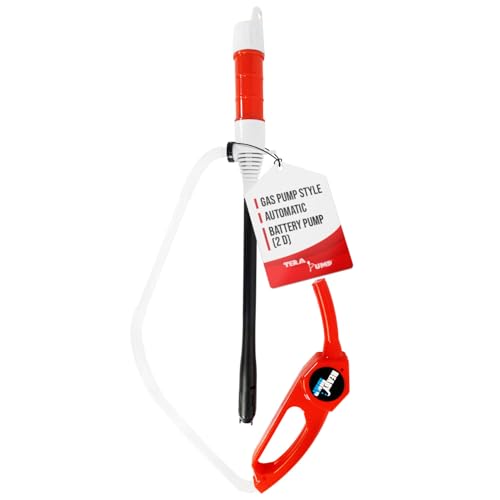
TRANSFER RATES: Transfers up to 1.8 Gallons per Minute or 7 Liters per Minute with Ready Pump Nozzle (Gas Pump Style Nozzle) - Replacement motor cap & battery cover (Sold Separately) - Built-in hook for easy storage in the garage or shop

[ FLOW CAPACITY ] Moves a maximum of 5.5 Gallons per Minute using Manual Piston Action - Flexible 47.2-inch Discharge Hose with corrugated design and an integrated nozzle holder - Twist the Air Vent Cap clockwise to generate a siphon vacuum or turn it counterclockwise to halt or reduce the flow
Essential Tools
- Siphon Pump: A siphon pump helps transfer fluid from the reservoir to a container without spills.
- Drain Pan or Bucket: A sizeable drain pan or bucket collects the washer fluid and prevents mess.
- Funnel: A funnel assists in pouring new washer fluid into the reservoir after draining.
- Wrench Set: A wrench helps remove the reservoir if needed for a more thorough clean.
- Gloves: Wear gloves to protect your hands from washer fluid, which can irritate skin.
- Safety Goggles: Safety goggles shield your eyes from splashes during the draining process.
- Rags or Paper Towels: Keep rags or paper towels nearby to clean up any spills quickly.
Step-by-Step Guide on How to Empty Washer Fluid Reservoir
Emptying your washer fluid reservoir can help keep your vehicle’s visibility clear. Follow these steps to ensure you do it efficiently and without spills.
Recommended Products

[KEY FEATURES] Auto-Stop Overfill Protection Powerful D-Battery Operation 39.5" Extra-Long Hose Storage Case Included Bonus Manual Siphon Compatible with Most Major Gas Can Brands for safer, cleaner, and more convenient fuel transfers.
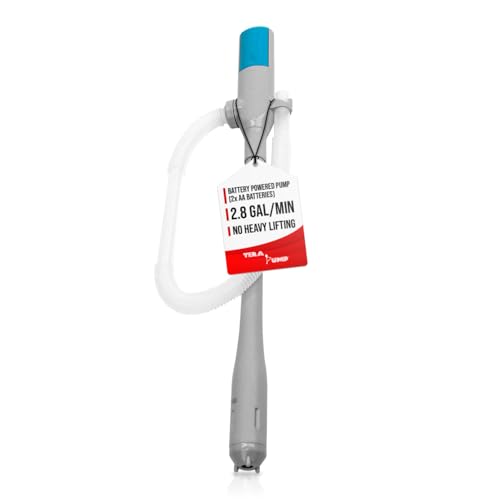
COMPATIBLE LIQUIDS - Any non-corrosive liquids such as Gas, Kerosene, Diesel, e15 to e85, Antifreeze, Non-Potable Water, Windshield Washer Fluid & DEF

BATTERY OPERATED POWER: Fuel transfer pump operated by two (D) batteries required - not provided. Minimize spills while transferring liquids using the nozzle designed in the style of a gas pump
Preparing the Vehicle
- Park the vehicle on a flat surface to ensure stability.
- Turn off the engine and let it cool for at least 30 minutes to avoid burns.
- Gather your tools: siphon pump, drain pan, funnel, wrench set, gloves, safety goggles, and rags or paper towels.
Locating the Reservoir
- Open the hood of your vehicle to gain access to the engine compartment.
- Find the windshield washer fluid reservoir. It’s usually a translucent container with a blue or green cap.
- Refer to your owner’s manual for specific location details if you’re unsure.
- Put on gloves and safety goggles for protection.
- Place the drain pan beneath the washer fluid reservoir.
- Remove the cap from the reservoir, allowing air to flow in.
- Use the siphon pump: Insert one tube into the reservoir and the other into the drain pan. Start the siphon by sucking the tube until fluid begins to flow.
- Continue siphoning until the reservoir is empty, monitoring the fluid level in the drain pan.
- Dispose of the old washer fluid according to local regulations. Clean up any spills with rags or paper towels.
Following these steps helps maintain your vehicle’s washer system while ensuring your safety during the process.
Tips for Proper Maintenance
Maintaining your washer fluid reservoir ensures optimal visibility. Follow these proactive steps to keep your system in shape.
Recommended Products

Peace of Mind: Get complete 2-in-1 protection with a Winter De-Icer and Summer Bug Wash that can tackle any condition.

Crystal Clear Streak-Free Vision: Advanced windshield cleaner delivers spot-free clarity with every spray-professional-grade performance without streaks or smears

EFFORTLESS CLEANING: Enjoy hassle-free maintenance with ABRO's pre-mixed windshield wiper fluid formula, saving you time and effort in preparing the solution for streak-free clarity.
Checking Fluid Levels Regularly
Check your washer fluid levels at least once a month. Look for a transparent reservoir under your hood. If the fluid sits below the low mark, fill it up immediately. Regular checks prevent the reservoir from running dry, which limits visibility during adverse weather conditions. Also, consider examining fluid levels before long trips to avoid potential issues.
Choosing the Right Washer Fluid
Select washer fluid tailored for your climate. For freezing temperatures, use a fluid with antifreeze properties to prevent freezing in the reservoir. Look for options that contain cleaning agents to remove dirt and grime effectively. Avoid using plain water since it can freeze or promote mold growth in the tank. Always choose high-quality fluids that meet your vehicle’s specifications for optimal performance.
Conclusion
Keeping your washer fluid reservoir in check is a simple yet essential part of vehicle maintenance. By ensuring it’s emptied and refilled with the right fluid, you’re not just enhancing your visibility but also protecting your washer system. Regularly checking fluid levels and staying proactive can save you from unexpected issues down the road.
So next time you’re under the hood, take a moment to care for your washer fluid. It’s a small effort that goes a long way in keeping your driving experience safe and clear. Happy driving!
Frequently Asked Questions
What is the purpose of windshield washer fluid?
Windshield washer fluid cleans and maintains visibility by removing dirt, grime, and debris from your windshield. It provides a clear view while driving, especially during adverse weather conditions or after driving on dusty roads.
How can I tell if my windshield washer fluid reservoir is full?
A full windshield washer fluid reservoir typically has a clearly labeled cap, and many vehicles have a transparent reservoir that allows you to see the fluid level. If the reservoir is full, you won’t see any low fluid warning lights on your dashboard.
What are the signs that I need to empty my windshield washer fluid reservoir?
You might need to empty your reservoir if the fluid is dirty, smells foul, or has debris settled at the bottom. Additionally, if you notice inefficient cleaning or streaks after using the washer, it’s a sign that the fluid needs replacing.
How can I efficiently empty my windshield washer fluid reservoir?
To empty the reservoir, locate the pump or valve and disconnect any hoses. You can also use a siphon pump or a turkey baster to extract the fluid. Make sure to dispose of the old fluid properly, following local regulations.
What are some proactive maintenance tips for windshield washer fluid?
Regularly check the fluid level to avoid running dry. Choose washer fluid suitable for your climate, and avoid using plain water to prevent freezing or mold growth. Keeping your reservoir clean and filled ensures maximum visibility while driving.
Why should I avoid using plain water in my washer fluid reservoir?
Plain water can freeze in colder temperatures, impairing visibility. It may also promote mold growth, leading to unpleasant odors and reduced cleaning effectiveness. Using the right washer fluid helps maintain optimal performance year-round.
