

Have you ever found yourself with a windshield washer fluid reservoir that’s full of old or contaminated fluid? It can be frustrating when you need a clear view but your washer system isn’t working properly. Knowing how to drain that fluid can save you time and hassle, especially before winter hits or if you’re switching to a different type of fluid.
Key Takeaways
- Proper Understanding of Washer Fluid: Windshield washer fluid is essential for maintaining visibility while driving; using clean fluid prevents obstructions caused by dirt and debris.
- Regular Maintenance is Key: Regularly check and replace old washer fluid to avoid clogs in the system and to prolong the life of your washer components.
- Process for Draining Fluid: Drain your old washer fluid by locating the reservoir, using a siphon or hose, and properly disposing of the fluid before refilling with new fluid.
- Signs for Fluid Change: Watch for cloudy fluid, streaks on the windshield, foul odors, freezing issues, or a change in color, as these indicate it’s time to drain and refill the washer fluid.
- Choosing the Right Fluid: Select washer fluid that suits your climate—antifreeze properties for colder areas—while avoiding plain water to prevent damage and streaks.
Understanding Window Washer Fluid
Window washer fluid plays a crucial role in maintaining visibility during driving. Maintaining the right fluid in your reservoir ensures your windshield remains clean, which is essential for safe driving.
Recommended Products

Fitment Work well with most 12V cars with enough size to fit this washer pump. Universal car KEMIMOTO windshield washer is designed to fit most Car UTV ATVs boats and so on

Direct replacement - this windshield washer fluid reservoir is designed to match the fit and function of the original equipment reservoir on specified vehicle makes, models and years

Fix Washer Failure Instantly: Windshield washer pump reservoir kit designed to fix common issues like fluid leaks, weak spray or non-working washer systems. Restore clear visibility in minutes.
Importance of Proper Maintenance
Proper maintenance of washer fluid prevents buildup of dirt and debris. Regularly checking and replacing old fluid prolongs the life of your washer system. It also helps avoid clogs in the spray nozzles. Clean fluid effectively removes grime, improving visibility during rain, snow, or mud.
Common Issues with Washer Fluid
Using contaminated or old washer fluid leads to several issues:
- Poor Visibility: Dirty fluid can leave streaks on your windshield, obstructing your view.
- Clogs: Old fluid may cause blockages in hoses or nozzles, affecting the system’s performance.
- Freezing: In colder climates, inadequate fluid may freeze, preventing the washer from functioning.
Knowing these issues highlights the importance of draining and refreshing your washer fluid regularly.
How to Drain Window Washer Fluid
Draining your windshield washer fluid keeps your system functioning effectively. Follow these straightforward steps to ensure a clean reservoir.
Recommended Products

Replacement Part Number: 76806-SZA-A12; 76806SZAA12
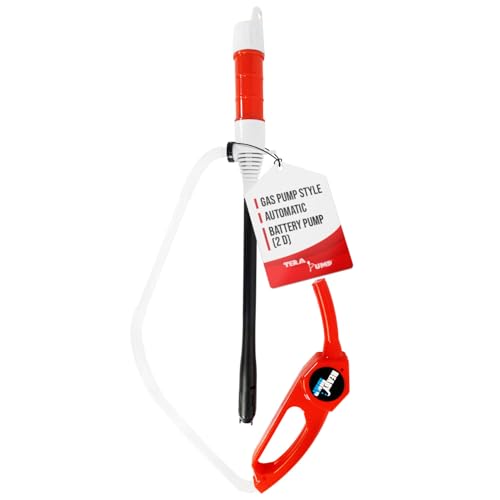
TRANSFER RATES: Transfers up to 1.8 Gallons per Minute or 7 Liters per Minute with Ready Pump Nozzle (Gas Pump Style Nozzle) - Replacement motor cap & battery cover (Sold Separately) - Built-in hook for easy storage in the garage or shop

[ FLOW CAPACITY ] Moves a maximum of 5.5 Gallons per Minute using Manual Piston Action - Flexible 47.2-inch Discharge Hose with corrugated design and an integrated nozzle holder - Twist the Air Vent Cap clockwise to generate a siphon vacuum or turn it counterclockwise to halt or reduce the flow
Gather Necessary Tools
Gather these essential tools for the process:
- Container: Use a clean bucket or funnel to catch the fluid.
- Siphon or Hose: A simple siphon or a piece of tubing helps in draining the fluid.
- Gloves: Wear protective gloves to keep your hands clean and safe.
- Rag or Towel: Have a rag accessible for any spills.
Step-by-Step Drainage Process
Follow these easy steps to drain your window washer fluid:
- Identify the Reservoir: Locate the windshield washer fluid reservoir. It’s typically near the back of the engine compartment.
- Remove the Cap: Take off the cap from the reservoir to access the fluid.
- Insert the Siphon or Hose: Place the siphon or hose into the reservoir. Ensure it reaches the fluid at the bottom.
- Start Siphoning: If using a siphon, follow the manufacturer’s instructions. Alternatively, tilt the reservoir carefully to pour the fluid into your container.
- Monitor the Process: Keep an eye on the fluid level and ensure no debris enters the reservoir while draining.
- Dispose of the Old Fluid: Properly dispose of the old washer fluid according to local regulations. Do not pour it down the drain or on the ground.
- Refill with New Fluid: Once drained, refill the reservoir with fresh washer fluid suited for your climate.
By following these steps, you’ll maintain the cleanliness and functionality of your windshield washer system.
Tips for Maintaining Washer Fluid System
Maintaining your washer fluid system ensures your visibility stays clear while driving. Regular maintenance also prevents clogs and freezing issues.
Recommended Products

32°F+ Summer Blend: Ideal for warm-weather driving conditions while maintaining optimal cleaning power

This item can no be shipped to the state in California, Техаs, Arizona please check with the manufacturer regarding warranty and support issues.

Instantly removes fog and condensation from auto windows and mirrors
Regular Checks and Refills
Check your washer fluid level every month. Look for the reservoir, usually marked by a symbol of a windshield with wipers. If you’re low, refill with washer fluid suitable for your climate. Regularly refreshing the fluid keeps it clean and effective. Inspect the condition of your wiper blades as well; worn blades can lead to streaks on your windshield. Replace them if needed.
Choosing the Right Fluid
Selecting the correct washer fluid is essential for optimal performance. Use fluids that meet your regional weather conditions. For warmer climates, a basic fluid will suffice. In colder areas, choose a fluid with antifreeze properties to prevent freezing. Always avoid using plain water, as it can freeze and damage the system or lead to streaks. Reading product labels helps ensure you pick the right formula for your vehicle.
Signs You Need to Drain Washer Fluid
Recognizing when to drain your washer fluid can enhance your driving experience. Here are key signs that indicate it’s time for a change:
- Cloudy Fluid: If the washer fluid appears cloudy or murky, contaminants may have entered the reservoir. Clear fluid is essential for effective cleaning.
- Streaks on Windshield: Persistent streaks on your windshield after using the washer system signal that the fluid may no longer be effective. Fresh fluid improves visibility.
- Unpleasant Odor: A foul smell emanating from the fluid could point to bacterial growth or other contaminants. Drain and replace the fluid to eliminate odors.
- Freezing in Cold Weather: If your washer fluid freezes during winter, it may lack adequate antifreeze components. Replace it with fluid that suits colder climates to prevent freezing.
- Fluid Color Change: Sudden changes in the fluid’s color indicate possible contamination. Drain the reservoir and refill it with proper washer fluid.
- Clogs in the System: Frequent clogs may mean the fluid contains debris or dirt. Draining and cleaning the reservoir can restore proper functionality.
Take a look at these signs regularly to ensure your windshield washer system functions smoothly. Proper maintenance helps ensure safety and visibility on the road.
Conclusion
Keeping your windshield washer fluid fresh is key to safe driving. By regularly checking for signs of old or contaminated fluid you can prevent visibility issues and ensure your wipers work effectively. Remember to choose the right fluid for your climate and maintain your wiper blades.
Taking a few minutes to drain and replace your washer fluid can make a big difference in your driving experience. So next time you notice any signs of trouble don’t hesitate to take action. Your safety on the road is worth it.
Frequently Asked Questions
What is the importance of windshield washer fluid?
Maintaining a clean windshield washer fluid reservoir is essential for clear visibility while driving. Proper fluid helps prevent streaks and ensures effective cleaning of your windshield, enhancing safety on the road.
What are common problems with windshield washer fluid?
Common issues include streaks on the windshield, clogs in the system, and freezing in cold weather. These problems can arise from using inadequate fluid or neglecting regular maintenance.
How often should I check my windshield washer fluid?
It’s best to check your windshield washer fluid regularly, ideally every month or before long trips. Regular checks ensure optimal system performance and visibility while driving.
What should I look for to know if I need to replace the fluid?
Signs that you need to replace the fluid include cloudy fluid, streaks when washing, odors, color changes, and clogs in the reservoir or lines.
How can I prevent my windshield washer fluid from freezing?
To prevent freezing, use a windshield washer fluid designed for cold weather. Always select a fluid with a low freezing point suitable for your local climate.
Are there specific maintenance tips for my windshield washer system?
Yes! Regularly inspect and replace wiper blades, use the right fluid based on your climate, and keep an eye out for warning signs like streaks and odd odors.
