

Have you ever wondered what to do with leftover windshield washer fluid? It’s a common issue many drivers face, and improper disposal can harm the environment. You might find yourself with an empty jug and no clue where to take it.
Key Takeaways
- Understanding Components: Windshield washer fluid contains water, methanol, surfactants, and dyes, which require careful consideration for disposal due to their environmental impact.
- Environmental Risks: Improper disposal can harm wildlife, contaminate water sources, and damage soil, underscoring the necessity for responsible handling.
- Safe Disposal Methods: Follow local regulations, use labeled containers, and participate in community hazardous waste collection events for safe disposal.
- Recycling Options: Many recycling centers accept windshield washer fluid, and some regions allow for reuse through cleaning or pest deterrent applications.
- Eco-Friendly Alternatives: Explore biodegradable windshield washer fluids and consider DIY recipes to reduce environmental impact while maintaining effectiveness.
- Safety Precautions: Use protective gear when handling washer fluid and be prepared for spills by having containment materials and emergency procedures in place.
Understanding Windshield Washer Fluid
Windshield washer fluid is essential for maintaining visibility while driving. It consists of a mixture designed to clean your windshield effectively. Knowing its components and how it impacts the environment helps you understand the importance of proper disposal.
Common Ingredients
Windshield washer fluid typically contains the following ingredients:
- Water: Serves as the main solvent, providing the liquid base.
- Methanol: Commonly used as an antifreeze agent, it prevents the fluid from freezing.
- Surfactants: These compounds help to break down dirt and grime on the windshield.
- Dyes: Added for color to help identify the fluid and ensure it’s distinguishable from other liquids.
Some commercial fluids also include fragrances or additional cleaning agents for enhanced performance. Always check labels to understand what’s in your specific brand.
Environmental Impact
Improper disposal of windshield washer fluid poses several risks to the environment. Here’s how:
- Toxicity to Wildlife: Methanol and other chemicals can be harmful or fatal to animals if ingested.
- Water Contamination: Dumping fluid on the ground or in drains leads to potential contamination of groundwater.
- Soil Damage: Chemicals can alter soil composition, making it harder for plants to thrive.
When considering disposal options, remember that local regulations may vary. Always follow guidelines to ensure environmentally friendly practices.
Safe Disposal Methods
Proper disposal of windshield washer fluid is essential for protecting the environment. Follow these methods to ensure safe disposal of this potentially harmful substance.
Recommended Products

【High cost performance】The windshield wiper fluid tablet is small and portable, measuring only 16mm*2mm. Each car effervescent tablet has its own packaging, which is more space-saving and easy to carry compared to traditional ones, and can save you a lot of money.

RESTORE WINDSHIELD WASHER FUNCTION: This 12V windshield washer pump reservoir kit helps restore fluid delivery when the existing bottle is cracked or leaking, or the pump stops working. Check hoses and spray nozzles to confirm the cause before replacement.
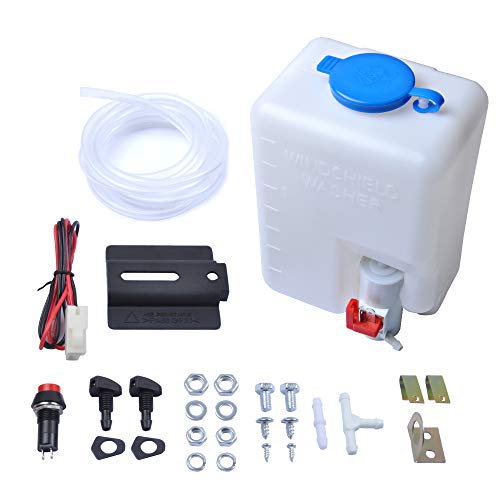
Replacement For: OTUAYAUTO windshield washer tank pump Ideal for any 12V vehicle like classic/Kit cars. Replace OEM # 160186, 110943769329
Check Local Regulations
Always review your local regulations on hazardous waste disposal. Many regions classify windshield washer fluid as hazardous due to its chemical components. You can often find specific guidelines on your city or county’s waste management website. Some areas may require you to take the fluid to a designated collection site or event, ensuring it’s handled safely.
Household Disposal Options
If you can’t access a local collection site, consider these household disposal options:
- Seal in a Container: Store leftover fluid in a sealed, clearly labeled container. This prevents any accidental spillage.
- Contact Local Hazardous Waste Facilities: Some waste management centers offer drop-off services for household hazardous materials. Call ahead to confirm if they accept windshield washer fluid.
- Use Specialized Disposal Programs: Participate in community hazardous waste collection events. These often occur annually or semi-annually.
- Don’t Pour It Down the Drain: Pouring windshield washer fluid into sinks, toilets, or storm drains can contaminate water sources. Always dispose of it at designated sites.
By following these methods, you contribute to environmental safety and mitigate risks associated with improper disposal.
Recycling and Reuse
You can responsibly recycle and reuse windshield washer fluid, minimizing environmental impact. Understanding the options available helps promote sustainability.
Recommended Products

This item can no be shipped to the state in California, Техаs, Arizona please check with the manufacturer regarding warranty and support issues.

Removes and repels the toughest road grime

SUPER CONCENTRATED WASHER FLUID: 16 fl oz washer fluid bottle makes 165 gallons of summer blend washer fluid. Just pump three times per gallon of water, directly into your windshield washer fluid tank.
Recycling Centers
Many recycling centers accept windshield washer fluid, ensuring proper handling and disposal. Check with local facilities for specific guidelines and requirements. Some centers may collect automotive fluids, including washer fluid, making it easier for you to recycle. Search online or contact your city’s waste management department to find a nearby recycling center that accepts hazardous materials.
Potential Reuse Methods
Consider these methods for reusing windshield washer fluid:
- Mixing with Water: Dilute leftover washer fluid with water for use in cleaning tasks around the home. This method works for windows and mirrors, as it helps remove grime and dirt.
- Garden Pest Deterrent: If the fluid doesn’t contain toxic ingredients, use it as a pest deterrent in your garden. Mix it with a larger volume of water and spray it on plants to keep pests away. Verify chemical safety for your plants before application.
- Washing Outdoor Surfaces: Use windshield washer fluid to clean outdoor surfaces like patios and driveways. Its cleaning properties help lift dirt and grime without damaging surfaces.
Check local regulations before reusing any leftover washer fluid, especially if you’re unsure about its composition.
Alternative Products
Considering eco-friendly options for windshield washer fluids can significantly reduce environmental impact. You can explore alternatives that pose less risk to wildlife and ecosystems while still maintaining effective cleaning performance.
Recommended Products

EXTREME COLD PROTECTION: Formulated to provide reliable -20°F freeze protection, keeping your windshield washer system functioning in harsh winter conditions

Melts ice & frost fast, -34 degrees F protection

advanced Water beading technology leaves no streaks and is glare free
Eco-Friendly Windshield Washer Fluids
Eco-friendly windshield washer fluids often use plant-based ingredients instead of harmful chemicals. Choose products labeled as biodegradable or environmentally safe. Brands like Prestone Refresh and Rain-X offer solutions that are less toxic and safe for the environment. These fluids perform well in cold temperatures and provide streak-free cleaning without contributing to pollution.
DIY Solutions
Creating your own windshield washer fluid can be both cost-effective and environmentally friendly. Here’s a simple recipe:
- Mix Ingredients: Combine 1 part distilled vinegar with 3 parts water.
- Add Optional Ingredients: For added cleaning power, include a few drops of dish soap.
- Store Safely: Pour the mixture into a clean, labeled container to avoid confusion.
This DIY option is effective for removing dirt and grime without harmful chemicals. Remember to check local regulations when using homemade solutions, especially if you’re unsure about the impact on your vehicle’s performance or the environment.
Safety Precautions
Disposing of windshield washer fluid requires careful attention to safety. Taking the right precautions protects you and the environment.
Protective Gear
Use protective gear when handling windshield washer fluid. Wear gloves to prevent skin contact and goggles to shield your eyes from splashes. If working in an enclosed space, consider using a mask to avoid inhaling fumes. Ensuring you’re equipped with the right gear keeps you safe during the disposal process.
Emergency Procedures
Know what to do in case of spills or accidents. If you spill windshield washer fluid, act quickly to contain it. Use absorbent materials like rags or kitty litter to soak up the liquid. Dispose of the contaminated materials according to local regulations. In case of skin contact, wash the area with soap and water. If you experience any adverse reactions, seek medical attention immediately. Being prepared for emergencies minimizes risks.
Conclusion
Taking the right steps to dispose of windshield washer fluid can make a big difference for the environment. By following local regulations and exploring recycling options you can help reduce the risk of contamination.
Consider reusing leftover fluid in creative ways or switching to eco-friendly alternatives that are safer for both your vehicle and the planet. Remember to always prioritize safety when handling any chemicals.
With a little effort you can ensure that your windshield stays clean without harming the environment. Every small action counts so let’s make sure we’re doing our part!
Frequently Asked Questions
What are the environmental risks of improper windshield washer fluid disposal?
Improper disposal of windshield washer fluid can lead to severe environmental issues. The toxic chemicals in the fluid may contaminate water sources, harm wildlife, and damage soil health. It’s crucial to dispose of it properly to prevent these harmful effects.
How can I safely dispose of leftover windshield washer fluid?
To dispose of leftover windshield washer fluid safely, check local regulations for disposal guidelines, store the fluid in a sealed container, and consider utilizing household disposal options, such as recycling centers that accept it.
Can windshield washer fluid be recycled or reused?
Yes, windshield washer fluid can be recycled or reused. Diluting it with water can create an effective cleaning solution, or it can be used as a pest deterrent in gardens. Check with local recycling facilities for specific options.
Are there eco-friendly alternatives to traditional windshield washer fluid?
Absolutely! Eco-friendly windshield washer fluids are available, often made from plant-based ingredients. Brands like Prestone Refresh and Rain-X offer sustainable options that reduce environmental impact.
How can I make my own windshield washer fluid?
You can create a DIY windshield washer fluid using a mixture of distilled vinegar, water, and optional dish soap. This homemade solution is cost-effective and environmentally friendly, but always check local regulations before use.
What safety precautions should I take when handling windshield washer fluid?
When handling windshield washer fluid, wear protective gear such as gloves, goggles, and masks. This minimizes the risk of exposure to harmful chemicals. Always follow safety guidelines during disposal or spills.
What should I do in case of spills or accidents with windshield washer fluid?
In case of spills, use absorbent materials to soak up the fluid, dispose of it properly, and wash the affected area. If exposure leads to adverse reactions, seek medical attention immediately to ensure safety.
