

Ever wondered how to get rid of stubborn brake fluid stains on your concrete driveway or garage floor? Picture this: you walk outside and notice unsightly marks that just won’t budge. Fret not, as we’ve got you covered with simple yet effective solutions to tackle this common issue.
In this article, you’ll discover practical tips and tricks to remove brake fluid spills from concrete surfaces effortlessly. Say goodbye to those pesky stains with easy-to-follow methods that will leave your concrete looking clean and pristine once again. Get ready to reclaim the beauty of your outdoor spaces with our expert advice at your fingertips.
Key Takeaways
- Brake fluid spills on concrete can be challenging to clean due to their adhesive nature and corrosive properties.
- Promptly addressing brake fluid stains is crucial to prevent long-term damage like discoloration and deterioration of concrete surfaces.
- Using the right cleaning agents, such as detergents, commercial cleaners, or homemade solutions, is essential for effective removal of brake fluid stains from concrete.
- Following a step-by-step cleaning process involving preparation, application of cleaner, gentle scrubbing, thorough rinsing, and repeat if needed can help in removing stubborn brake fluid stains effectively.
- Implementing preventive measures like applying protective coatings and handling brake fluid with care can help avoid future spills and protect your concrete surfaces.
Understanding Brake Fluid Spills
Brake fluid spills can be a hassle to clean, especially on concrete surfaces. Here’s why brake fluid is tough to remove and the potential damage it can cause.
Why Brake Fluid is Difficult to Remove
Brake fluid poses a cleaning challenge because it contains hydraulic oils that penetrate porous materials like concrete quickly. These oils create stubborn stains that are hard to lift with regular cleaning methods. The chemical composition of brake fluid also contributes to its adhesive nature, making it adhere firmly to surfaces.
Damage Potential to Concrete Surfaces
When left untreated, brake fluid can cause discoloration and deterioration of concrete surfaces. Its corrosive properties can eat away at the top layer of the concrete, leading to unsightly marks and weakening the structural integrity over time. Prompt action is crucial in preventing long-term damage from brake fluid spills on your concrete driveway or garage floor.
Cleaning Agents and Their Effectiveness
When it comes to cleaning brake fluid off concrete surfaces, using the right cleaning agents can make a significant difference in the effectiveness of your efforts. Here are some options to consider:
Recommended Products

INDUSTRY’S MOST POWERFUL OIL STAIN LIFTING FORMULA: Chomp! Pull It Out uses a deep penetrating formula to lift stains from porous flooring surfaces like concrete and brick. It is effective on oil or petroleum-based stains (transmission fluid, brake fluid, etc. ) commonly found on concrete and paver driveways, garage floors, parking lots, and drive-through lanes.
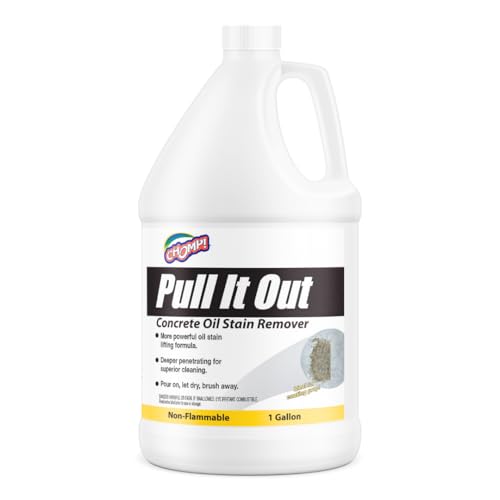
INDUSTRY’S MOST POWERFUL OIL STAIN LIFTING FORMULA: Chomp! Pull It Out uses a deep penetrating formula to lift stains from porous flooring surfaces like concrete and brick. It is effective on oil or petroleum-based stains (transmission fluid, brake fluid, etc. ) commonly found on concrete and paver driveways, garage floors, parking lots, and drive-through lanes.
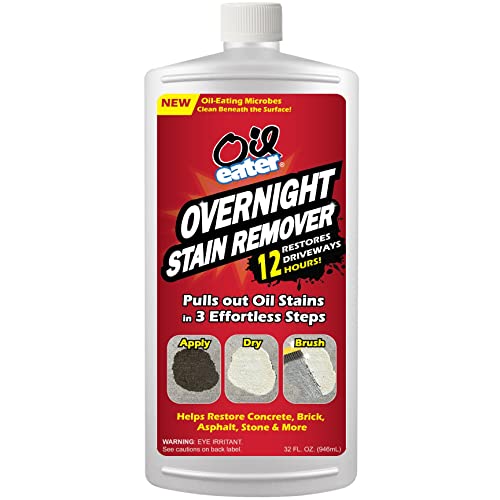
POWERFUL OIL STAIN REMOVER - oil-eating microbes clean deep beneath the surface to remove oil stains on hard & porous surfaces like concrete, asphalt, brick & stone. Works great on all types of oil, grease and petroleum-based automotive leaks.
Detergents and Soaps
For light brake fluid stains on concrete, common household detergents or soaps can be effective. These products work by breaking down the oil in the brake fluid, making it easier to lift off the surface. You can create a mixture of detergent and water, apply it to the stained area, scrub gently with a brush, and then rinse thoroughly with water.
Commercial Concrete Cleaners
Commercial concrete cleaners specifically designed for removing tough stains like brake fluid can offer powerful cleaning solutions. These cleaners often contain specialized ingredients that target oil-based stains effectively. Follow the manufacturer’s instructions carefully when using these products to ensure safe and efficient removal of brake fluid from concrete surfaces.
Homemade Cleaning Solutions
If you prefer natural or DIY options, homemade cleaning solutions can also help tackle brake fluid stains on concrete. For instance, a mixture of baking soda and vinegar forms a potent paste that can be applied to the stain, left to sit for a while, scrubbed lightly, and rinsed off thoroughly. Alternatively, you could try using lemon juice or hydrogen peroxide as eco-friendly alternatives for cleaning brake fluid off concrete.
Choose the cleaning agent based on the severity of the brake fluid stain and your preference for commercial or homemade solutions. Remember always to test any cleaner on a small inconspicuous area first before applying it widely to ensure compatibility with your specific concrete surface.
Step-by-Step Guide to Removing Brake Fluid
To effectively remove brake fluid stains from concrete, follow these simple steps:
Recommended Products
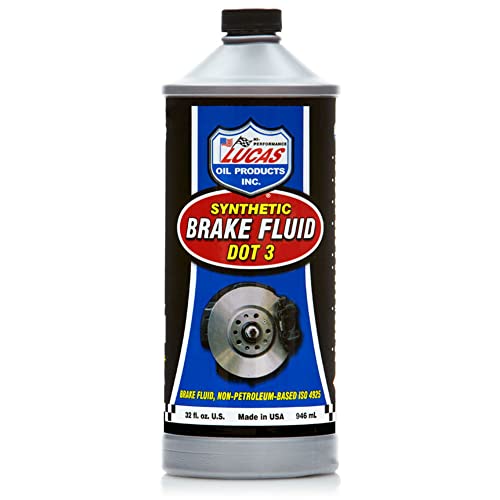
High quality blend of polyethylene glycol ethers and additives
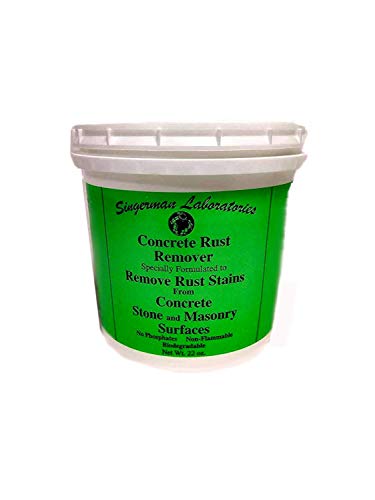
De-Rusts Approximately 60 sq feet

Provides an extra margin of safety in extreme braking conditions (packaging may vary)
Preparing the Area
- Gather Your Supplies: You’ll need protective gear such as gloves and goggles, a broom or brush, a bucket of warm water, a cleaning agent (detergent, commercial cleaner, or homemade solution), and a scrubbing brush.
- Ventilate the Area: Ensure proper ventilation when working with cleaning agents to avoid inhaling fumes.
- Clear the Surface: Remove any debris or loose dirt from the concrete using a broom.
Applying the Cleaner
- Test in a Small Area: Before applying the cleaner to the entire stain, test it on a small inconspicuous area to check for any adverse reactions.
- Apply the Cleaner: Follow the instructions on your chosen cleaner. For homemade solutions like baking soda and vinegar, create a paste and apply it directly to the stain.
- Scrub Gently: Use a scrubbing brush or old toothbrush to gently scrub the stained area. Avoid using abrasive materials that could damage the concrete surface.
- Rinse Thoroughly: Once you’ve scrubbed away the brake fluid residue, rinse the area with clean water to remove any remaining cleaner.
- Repeat if Necessary: For stubborn stains, you may need to repeat the cleaning process until you achieve satisfactory results.
By following these steps diligently, you can effectively remove brake fluid stains from your concrete surfaces without causing further damage.
Preventive Measures for Future Spills
To prevent future spills of brake fluid on your concrete surfaces, consider the following preventive measures:
Recommended Products

Polyurea elastomeric filler to repair cracks and joints in concrete and blacktop; requires a dispensing gun to apply

Two-part epoxy adhesive paste to fill and repair cracks in concrete, and to anchor threaded rods, bolts, and dowels into concrete, grout-filled block, and unreinforced masonry

DURABLE STONE-LIKE TEXTURED FINISH: Create a long-lasting, protective finish that enhances your concrete with a stone-like, speckled texture. Adds depth, and visual appeal to patios, walkways, pool decks, and more
Useful Protective Coatings
Protective coatings can help safeguard your concrete against brake fluid spills. Consider applying epoxy or polyurea coatings to create a barrier that prevents liquids from penetrating the surface. These coatings are durable and resistant to various chemicals, including brake fluid. By adding this extra layer of protection, you can minimize the impact of spills and make cleanup easier.
Best Practices in Handling Brake Fluid
When handling brake fluid, it’s essential to follow best practices to avoid accidental spills. Always store brake fluid in sealed containers in a designated area away from high-traffic zones to reduce the risk of accidental spills. Additionally, use funnels or drip pans when transferring brake fluid to minimize the chances of splashing or spilling. Proper storage and handling can significantly reduce the likelihood of future spills on your concrete surfaces.
Conclusion
You now have the knowledge and tools to tackle those stubborn brake fluid stains on your concrete surfaces. By following the step-by-step guide provided, you can effectively remove these tough stains and prevent future damage. Remember to prepare the area, test cleaning agents, apply them properly, scrub gently, rinse thoroughly, and repeat if necessary. Implementing preventive measures like using protective coatings and handling brake fluid with care will help safeguard your concrete from potential spills. With these tips in mind, you can maintain clean and stain-free concrete surfaces for years to come. So go ahead, confidently tackle those pesky brake fluid stains knowing that you’re equipped with the right techniques to keep your concrete looking its best!
Frequently Asked Questions
Q: Why are brake fluid stains difficult to remove from concrete surfaces?
A: Brake fluid contains hydraulic oils that quickly penetrate concrete, creating tough stains resistant to regular cleaning methods.
Q: What damage can brake fluid cause to concrete?
A: Brake fluid can cause permanent discoloration and deterioration of concrete if not promptly addressed.
Q: How can I effectively remove brake fluid stains from concrete?
A: Prepare the area, test cleaning agents on a small spot, apply cleaner properly, scrub gently, rinse thoroughly, and repeat if needed for best results.
Q: How can I prevent future brake fluid spills on concrete surfaces?
A: Use protective coatings like epoxy or polyurea to create a barrier against penetration and follow proper handling practices to minimize spill risks.
