

Have you ever noticed strange noises or shifting issues in your vehicle? It might be time to check your transfer case fluid. This often-overlooked maintenance task can make a big difference in your vehicle’s performance and longevity.
Key Takeaways
- Importance of Transfer Case Fluid: Essential for the lubrication and operation of four-wheel and all-wheel drive systems, ensuring smooth shifting and preventing overheating.
- Fluid Types: Familiarize yourself with different types of transfer case fluids such as Automatic Transmission Fluid (ATF), gear oil, and manufacturer-specific fluids.
- Signs of Issues: Be aware of symptoms like strange noises, shifting problems, and fluid leaks which indicate low or contaminated fluid that needs immediate attention.
- Regular Maintenance is Key: Aim to change your transfer case fluid every 30,000 to 50,000 miles to extend the lifespan of your vehicle and prevent costly repairs.
- Necessary Tools and Steps: Have the right tools handy, such as a socket set, fluid pump, and drain pan, and follow a systematic approach to changing the fluid.
- Post-Change Checks: After replacing the fluid, start the vehicle, check for leaks, and monitor fluid levels regularly to maintain optimal performance.
Understanding Transfer Case Fluid
Transfer case fluid plays a crucial role in the operation of four-wheel drive and all-wheel drive vehicles. This fluid lubricates components, facilitates smooth shifting, and prevents overheating. Maintaining proper fluid levels and quality ensures optimal vehicle performance and longevity.
Recommended Products

🚗Fits Standard Quart Bottles with 28mm Bottle Cap

【Multiple Applications】This transmission fluid pump fits standard quart bottles come with 28mm bottle cap,with an 8cc per pump stroke capacity,Suitable for dozens of uses including oil changes,siphoning gasoline,and transferring a wide range of fluids such as engine oil, biodiesel, kerosene, or shampoo,detergent.

🚗 Only Quart Bottle Pump that comes with LONG and SHORT SUCTION TUBES for Tall and Short Quart Bottles
Types of Transfer Case Fluid
- Automatic Transmission Fluid (ATF): Often used in many transfer cases. It’s designed for hydraulic systems and provides excellent lubrication.
- Gear Oil: Specifically formulated for transfer cases requiring thicker viscosity. It’s ideal for heavy-duty applications.
- Specific Manufacturer Fluids: Some manufacturers recommend specific fluid types for their vehicles. Always check your owner’s manual.
Symptoms of Low or Contaminated Fluid
- Strange Noises: Grinding or clunking sounds indicate a lack of lubrication.
- Shifting Issues: Difficulty in shifting can signal fluid problems.
- Fluid Leaks: Puddles or wet spots under the vehicle suggest leaks that need attention.
Importance of Regular Maintenance
Regularly checking and changing transfer case fluid prevents issues down the line. Dirty or low fluid can lead to component wear and costly repairs. Aim to change the fluid every 30,000 to 50,000 miles or according to manufacturer recommendations.
- Locate the Filler Plug: Usually found on the side of the transfer case.
- Use a Dipstick or Specified Tool: Insert to check fluid level. It should be within the specified range.
- Inspect Fluid Condition: Healthy fluid appears clear and reddish, while contaminated fluid looks brown or has debris.
Knowing what transfer case fluid is and its importance helps you maintain your vehicle’s performance. Regular checks and changes will keep your transfer case functioning smoothly for many miles.
Importance Of Changing Transfer Case Fluid
Changing transfer case fluid is crucial for maintaining your vehicle’s performance. This fluid plays a vital role in the lubrication and operation of the transfer case, especially in four-wheel and all-wheel drive systems.
Benefits Of Regular Maintenance
- Enhanced Performance: Regularly changing the fluid ensures that your transfer case operates smoothly, preventing sluggish or harsh shifting.
- Extended Lifespan: Fresh fluid reduces wear on components, which can prolong the overall lifespan of the transfer case.
- Improved Fuel Efficiency: Proper lubrication decreases friction, leading to better fuel economy.
- Lower Repair Costs: Preventive maintenance helps you avoid costly repairs associated with neglected transfer case issues.
- Increased Safety: Smooth and reliable shifting improves your vehicle’s handling, promoting safer driving conditions.
- Overheating Issues: Old or low fluid can lead to overheating, which may cause severe damage to the transfer case.
- Shifting Problems: Contaminated fluid might result in difficulty shifting, presenting risks while driving on various terrains.
- Increased Wear and Tear: Neglecting regular fluid changes accelerates wear on internal components, leading to premature failure.
- Fluid Leaks: Failing to maintain proper fluid levels can result in leaks, which not only diminish functionality but can also pose environmental hazards.
- Higher Repair Expenses: Ignoring fluid maintenance often leads to expensive repairs that exceed the cost of regular maintenance.
Regularly changing your transfer case fluid prevents issues, ensures efficient performance, and saves money in the long run. By staying proactive with fluid checks and changes, you maintain safety and vehicle integrity.
Tools And Materials Needed
Gathering the right tools and materials ensures a smooth transfer case fluid change. Below are the essential tools and fluid types you’ll need.
Recommended Products

Efficient Pumping: This fluid transfer pump comes with two different height suction tubes for quart bottles of different heights, making it easy to reach the bottom of the bottle. Easily control the amount of fluid pumped out without worrying about overfilling, making oil change operations easier on boats and vehicles.

[High-quality Materials] The lower gear oil pump is made of high-quality materials, which is durable and ensures fast and precise refilling of lubricating oil for the lower device of the marine engine, and is easy to use.
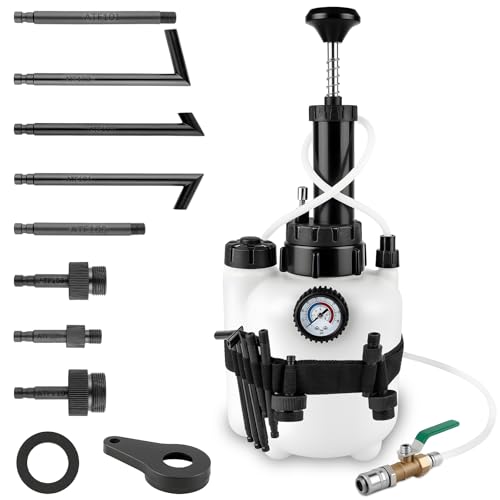
3L Pressure Reservoir: Comes with a 3-liter pressure holder and built-in pressure gauge, letting one handle brake fluid replacement alone. It cuts maintenance time, suited for home users and seasoned workers relying on automotive tools and automotive fluid pump
Essential Tools
- Socket Set: Use a socket set to remove the drain and fill plugs. Choose the correct size to avoid damaging them.
- Torque Wrench: Employ a torque wrench to tighten the plugs to manufacturer specifications, preventing leaks.
- Fluid Pump: Utilize a fluid pump to make transferring new fluid easier and less messy.
- Drain Pan: Position a drain pan under the transfer case to catch old fluid during the draining process.
- Rags or Towels: Keep rags or towels handy for cleaning spills and wiping tools.
- Safety Equipment: Wear gloves and safety glasses to protect yourself during the process.
- Manufacturer-Approved Fluid: Refer to your vehicle’s manual for the specific type of transfer case fluid recommended by your manufacturer.
- Automatic Transmission Fluid (ATF): Some transfer cases require ATF, which you can find in the owner’s manual.
- Gear Oil: For certain models, you’ll need gear oil. Ensure you choose the right viscosity and rating.
- Additives: If applicable, consider additives designed to enhance performance or prevent wear in the transfer case.
By acquiring the right tools and fluids, you set up for success in changing your transfer case fluid efficiently.
Step-By-Step Guide To Change Transfer Case Fluid
Changing your vehicle’s transfer case fluid is a straightforward process that ensures your four-wheel or all-wheel drive system operates smoothly. Follow these steps for a successful fluid change.
Recommended Products
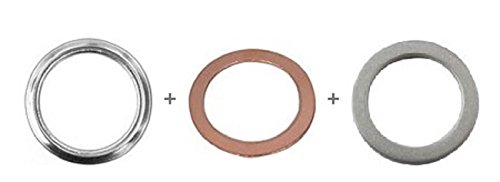
GENUINE TOYOTA GASKET KIT

Compatible With Toyota Lexus Scion Transfer Case And Differential Service Transfer & Differential Service Gasket Kit

Meets the challenging demands of different all-wheel and four-wheel drive vehicles with multi-powered axles
Preparing The Vehicle
- Park On Level Ground: Ensure your vehicle sits on a flat surface to get accurate fluid levels.
- Engage The Parking Brake: Secure your vehicle by activating the parking brake.
- Collect Tools And Supplies: Gather your socket set, torque wrench, fluid pump, drain pan, rags, safety goggles, and gloves.
- Consult The Owner’s Manual: Confirm the correct fluid type and capacity required for your transfer case.
Draining The Old Fluid
- Locate The Drain Plug: Find the drain plug underneath the transfer case.
- Position The Drain Pan: Place your drain pan under the drain plug to catch the old fluid.
- Remove The Drain Plug: Use a socket wrench to loosen and remove the drain plug carefully. Allow the fluid to drain completely.
- Inspect The Fluid: Check the old fluid for metal shavings or debris. Contaminated fluid indicates potential issues.
Refilling With New Fluid
- Replace The Drain Plug: Reinstall the drain plug securely once the fluid has fully drained.
- Locate The Fill Plug: Find the fill plug on the transfer case, usually above the drain plug.
- Use The Fluid Pump: Attach the fluid pump to the new transfer case fluid container.
- Fill The Transfer Case: Pump new fluid into the case until it reaches the fill plug level. If fluid spills from the fill hole, stop, and seal the plug.
- Replace The Fill Plug: Ensure the fill plug is tightened properly to avoid leaks.
- Start The Vehicle: Run the engine for a few minutes and allow the fluid to circulate.
- Check For Leaks: Inspect both the drain and fill plugs for any signs of leakage.
- Perform Regular Checks: Make it a habit to check your transfer case fluid level every few thousand miles.
- Document The Change: Note the date and mileage of the fluid change for future reference.
Conclusion
Changing your transfer case fluid is a simple yet essential task that can make a big difference in how your vehicle performs. By staying on top of this maintenance, you’re not only boosting your vehicle’s efficiency but also extending its lifespan.
Remember to keep track of when you last changed the fluid and always consult your owner’s manual for the right specifications. With the right tools and a little bit of time, you can ensure your four-wheel or all-wheel drive system runs smoothly for years to come. Happy driving!
Frequently Asked Questions
Why is changing transfer case fluid important?
Changing transfer case fluid is crucial for four-wheel and all-wheel drive systems as it enhances performance, extends the lifespan of components, improves fuel efficiency, and promotes safety. Neglecting fluid changes can lead to severe mechanical issues.
How often should I change my transfer case fluid?
It is recommended to change transfer case fluid every 30,000 to 50,000 miles, but always consult your owner’s manual for specific guidelines based on your vehicle model and usage.
What tools do I need to change transfer case fluid?
To change transfer case fluid, you typically need basic tools like a socket set, a fluid pump, a drain pan, and a wrench. Always check your owner’s manual for any specific tool recommendations.
Can I do a transfer case fluid change myself?
Yes, changing transfer case fluid can be a DIY task if you have the right tools, follow the proper steps, and consult your owner’s manual. Ensure you’re comfortable with vehicle maintenance before attempting.
How do I know if my transfer case fluid needs changing?
Signs that your transfer case fluid needs changing include unusual noises while driving, difficulty in shifting gears, and a burning smell or discoloration of the fluid. Regular inspections can help detect these issues early.
What happens if I neglect to change transfer case fluid?
Neglecting to change transfer case fluid can lead to transmission failure, excessive wear on components, decreased fuel efficiency, and potentially hazardous driving conditions. Regular maintenance is key to avoiding costly repairs.
