

Ever wondered how to ensure your Honda CR-V stops smoothly and safely every time you hit the brakes? Picture this: you’re cruising down the road, and suddenly, you need to make a quick stop. Having fresh brake fluid in your vehicle is crucial for optimal braking performance.
In this article, we’ll guide you through the simple yet essential process of changing the brake fluid in your Honda CR-V. By following these steps, you’ll not only maintain your car’s braking system but also enhance your overall driving experience. Let’s dive into the straightforward steps that will help you keep your Honda CR-V running safely on the road.
Key Takeaways
- Brake fluid is crucial for optimal braking performance in your Honda CR-V, as it transfers force from the brake pedal to the braking mechanism.
- Regularly changing brake fluid helps prevent issues like spongy brakes or brake failure, ensuring safety on the road.
- Prior to changing brake fluid, gather necessary tools and materials such as new brake fluid, wrench, turkey baster, safety glasses, and gloves.
- Follow essential safety precautions like wearing protective gear, working in a well-ventilated area, allowing the engine to cool down, and stabilizing your vehicle before starting work.
- When changing brake fluid, systematically check existing fluid condition, drain old fluid carefully without spilling it on the paintwork, refill with new recommended fluid from sealed containers, and bleed the system to remove air bubbles affecting braking performance.
- Maintain your Honda CR-V’s brake fluid by regularly checking for discoloration or contamination and addressing early warning signs of brake issues promptly.
Understanding Brake Fluid and Its Importance
Brake fluid is a hydraulic fluid essential for transferring force from the brake pedal to the braking mechanism in your Honda CR-V. It operates under high pressure and temperature, ensuring smooth and efficient braking performance.
What Is Brake Fluid?
Brake fluid is a specialized liquid that transmits pressure in the braking system of your Honda CR-V. It plays a crucial role in amplifying the force applied to the brake pedal, allowing you to stop your vehicle effectively. The fluid’s ability to withstand extreme temperatures without boiling ensures consistent brake operation.
Why It’s Crucial for Your Honda CR-V
In your Honda CR-V, fresh brake fluid is vital for maintaining optimal braking performance. Over time, brake fluid absorbs moisture, leading to decreased effectiveness and potential corrosion within the braking system. Regularly changing the brake fluid helps prevent issues like spongy brakes or brake failure, ensuring safety on the road for you and other drivers.
Remember, keeping up with proper maintenance of your Honda CR-V’s brake system by changing the brake fluid as recommended can significantly enhance your driving experience while prioritizing safety.
Preparing to Change the Brake Fluid in a Honda CR-V
Before you begin changing the brake fluid in your Honda CR-V, it’s crucial to gather the necessary tools and materials. Ensuring you have everything ready will make the process smoother and more efficient.
Recommended Products

Genuine Honda part that fits your specific vehicle

Transparent Funnel: Liquid and bubbles are clearly visible during the bleeding of bicycle brakes.

Transparent Funnel: Liquid and bubbles are clearly visible during the bleeding of bicycle brakes
Tools and Materials Needed
To change the brake fluid in your Honda CR-V, you’ll need the following tools and materials:
- A bottle of new, compatible brake fluid: Check your vehicle’s manual for the recommended type.
- A wrench or socket set: To loosen the bleeder valves on the brake calipers.
- Turkey baster or syringe: For removing old brake fluid from the master cylinder reservoir.
- Clear plastic tubing: Helps direct expelled brake fluid into a container during bleeding.
- Clean rags or paper towels: To clean up any spills and keep components dry.
- Safety glasses and gloves: Protect yourself from exposure to brake fluid.
Safety Precautions
Safety should always be a top priority when working on your vehicle. Here are some essential safety precautions to follow when changing the brake fluid in your Honda CR-V:
- Protective Gear: Wear safety glasses and gloves to shield your eyes and skin from contact with brake fluid, which can be corrosive.
- Ventilation: Work in a well-ventilated area or wear a mask to avoid inhaling fumes released during the process.
- Cool Down: Allow your car’s engine to cool down before starting work on changing the brake fluid to prevent burns.
- Stability: Ensure your vehicle is parked on a flat surface with parking brakes engaged for stability while working underneath it.
- Master Cylinder Inspection: Before proceeding, check that there are no visible contaminants around the master cylinder reservoir cap; if present, clean them off before opening it.
By preparing adequately with the right tools, materials, and safety precautions, you’re set for a successful brake fluid change in your Honda CR-V while prioritizing both efficiency and personal safety.
Step-by-Step Guide to Changing Brake Fluid
When changing the brake fluid in your Honda CR-V, it’s essential to follow a systematic approach to ensure optimal braking performance and safety. Here’s a detailed guide on how to change the brake fluid effectively.
Recommended Products
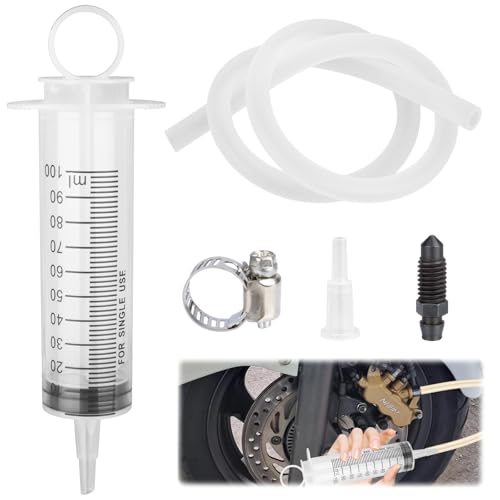
Efficient Air Bleeding & Brake Restore — Transparent tubing gives real-time visibility as you flush air and old brake fluid from the system. Restores full brake sensitivity and response in minutes, no shop visit needed.

Mixes well with conventional fluids

Size Details: This brake bleeder screw set comes with 4 screws and 4 caps. Thread spec is M10x1.0-32.1 mm. Please measure your old bleeder before ordering to confirm fit. The kit comes in a generous quantity to meet your long-term needs, requiring infrequent replacement
Checking the Existing Fluid Condition
Before starting the process, you should check the condition of your current brake fluid. Look for any signs of contamination, such as dark color or sediment. If the fluid appears dirty or discolored, it’s time for a change.
Draining the Old Brake Fluid
To begin draining the old brake fluid, locate the brake fluid reservoir under the hood of your CR-V. Use a turkey baster or a syringe to remove as much old fluid as possible. Be cautious not to spill any on your vehicle’s paint as brake fluid can damage it. Once you’ve extracted the old fluid, dispose of it properly according to local regulations.
Adding the New Brake Fluid
After draining the old fluid, refill the reservoir with fresh brake fluid recommended for your Honda CR-V model. Ensure you use only new and sealed containers of brake fluid to maintain its effectiveness. Fill up until reaching the maximum level indicated on the reservoir but avoid overfilling.
Bleeding The Brake System
Bleeding is crucial to remove air bubbles from the system that can affect braking performance. With a helper pressing down on and releasing the brake pedal, open and close each bleeder valve in sequence starting from furthest from master cylinder towards closest until no air bubbles are visible in the expelled fluid. Remember always to use fresh clean cloth when bleeding brakes.
Tips for Maintaining Your Brake Fluid
Keeping your Honda CR-V’s brake fluid in top condition is crucial for ensuring your safety on the road. Here are some essential tips to help you maintain your brake fluid effectively.
Recommended Products

Compatible Models: Our brake fluid cap replacement is compatible with Honda 2013-2014 Accord, 2012 2018-2020 Civic, 2009 S2000, 2015-2020 Fit, 2014-2015 2017-2021 Accord Hybrid, 2013-2014 Fit EV, 2016-2021 HR-V, 2011-2016 CR-Z, 2010-2011 Element, 2020-2021 CR-V Hybrid, 2017-2019 Clarity Electric, 2017-2021 Clarity Fuel Cell, 2009-2012 CR-V, 2019-2021 Insight
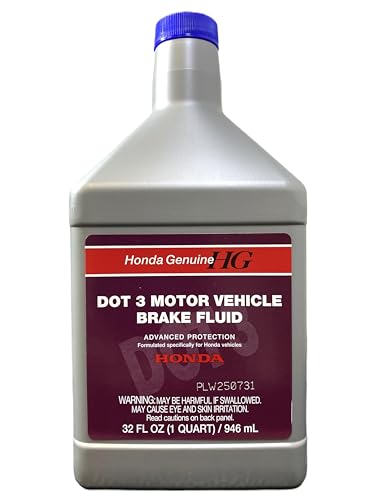
Advanced Protection

Advanced Protection
Regular Check-Ups
Regularly inspecting your brake fluid is key to early detection of any potential issues. You should check the brake fluid level at least every few months or as recommended in your vehicle’s manual. Look for any discoloration, cloudiness, or particles in the fluid, as these can indicate contamination or deterioration. If you notice any of these signs, it’s important to address them promptly to prevent brake system problems.
Recognizing Problems Early
Being able to recognize early warning signs of brake fluid issues can save you from more significant problems down the line. Watch out for soft or spongy brakes, a vibrating brake pedal, or a dashboard warning light related to the braking system. These symptoms could indicate air in the brake lines, moisture contamination, or old and worn-out brake fluid. Addressing these issues promptly can help maintain optimal braking performance and keep you safe on the road.
Conclusion
Ensuring your Honda CR-V has fresh brake fluid is crucial for safe and efficient braking. Regular maintenance and early issue detection are key to preventing performance degradation. By staying alert to warning signs like soft brakes or dashboard alerts, you can address problems promptly, maintaining optimal braking performance. Following these simple tips will help you keep your Honda CR-V’s brake fluid in top condition, ensuring a smooth driving experience and enhanced road safety. Remember, a well-maintained braking system is essential for your peace of mind on the road.
Frequently Asked Questions
What is the importance of maintaining fresh brake fluid in a Honda CR-V?
Regularly changing brake fluid in a Honda CR-V is crucial for optimal braking performance and safety. Brake fluid plays a key role in transferring force from the brake pedal to the wheels, ensuring effective stopping power.
Why is regular maintenance of brake fluid necessary?
Regular maintenance prevents decreased braking effectiveness and corrosion within the braking system. Over time, brake fluid can absorb moisture and contaminants, leading to potential issues like reduced braking efficiency or component damage.
How can I maintain my Honda CR-V’s brake fluid?
To maintain your vehicle’s brake fluid, schedule routine check-ups to detect early signs of contamination or deterioration. Keeping an eye out for warning signals such as soft brakes or dashboard alerts allows for timely intervention, ensuring continued optimal braking performance and road safety.
