

Ever wondered how to maintain your BMW’s performance at its peak? Picture this: you’re cruising down the road, and suddenly, you notice a slight delay in braking response. It could be time to check your brake fluid. In this article, we’ll guide you through the simple steps of changing your BMW’s brake fluid, ensuring safety and optimal driving experience.
By understanding the importance of regular brake fluid maintenance, you can prevent potential issues like brake failure or decreased stopping power. With our easy-to-follow instructions and tips, you’ll learn how to tackle this essential task with confidence. Stay tuned to discover how a straightforward brake fluid change can make a significant difference in your BMW’s performance on the road.
Key Takeaways
- Regularly checking and changing BMW brake fluid is crucial for optimal performance and safety.
- Brake fluid plays a vital role in transmitting force from the brake pedal to the brakes, ensuring effective stopping power.
- Use high-quality brake fluid recommended for BMW vehicles, such as DOT 4 or DOT 5.1, during maintenance.
- Necessary tools like jack, jack stands, clear tubing, wrench set, new brake fluid, gloves, and safety glasses are required for changing brake fluid.
- Monitoring brake pads wear, inspecting for leaks, checking brake lines, and testing brakes after maintenance are essential tips for maintaining BMW’s braking system.
- Seek professional help if you experience spongy brake pedal feel, unusual noises while braking, vibrations, dashboard warning lights related to brakes, or uneven brake pad wear.
Understanding Brake Fluid and Its Importance
Brake fluid is a hydraulic fluid that plays a crucial role in your BMW’s braking system. It transmits the force you apply to the brake pedal to the brakes at each wheel, allowing you to slow down or stop effectively. Without proper brake fluid, your BMW’s brakes may not function correctly, leading to safety hazards on the road.
What Is Brake Fluid?
Brake fluid is a specially formulated liquid that operates under high temperatures and pressure within the braking system of your BMW. Typically made of glycol-ether compounds or silicone, it has unique properties that make it ideal for transferring force from the brake pedal to the brake components.
Why It’s Crucial for Your BMW
In your BMW, where performance and precision matter, maintaining optimal brake fluid levels and quality is paramount. The high-performance nature of BMW vehicles means they require superior braking capabilities, which can only be achieved with properly functioning brake fluid. Regularly checking and changing your BMW’s brake fluid ensures that your brakes operate efficiently and safely when you need them most.
Tools and Materials Needed to Change BMW Brake Fluid
To successfully change your BMW’s brake fluid, you’ll need specific tools and materials. Here’s what you’ll require:
Recommended Products
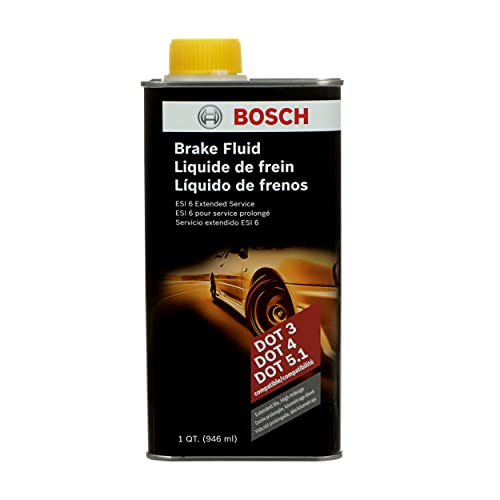
[NEXT GENERATION FLUID] - Bosch ESI6 is a next generation brake fluid designed for today's modern braking systems and is the first fluid to simultaneously combine both low viscosity and high wet boiling point (365 Degrees Fahrenheit)

Mixes well with conventional fluids

High-Performance Brake Fluid for Modern Brake Systems: Motul DOT 5.1 Brake Fluid is engineered for modern hydraulic braking and clutch systems requiring high thermal stability, fast response, and reliable braking performance. Designed for vehicles equipped with ABS, ESP, ASR, and advanced electronic braking systems, it helps maintain consistent hydraulic operation under demanding driving conditions.
Tools Required
- Jack: You’ll need a jack to lift your car safely.
- Jack stands: These are essential for supporting the vehicle securely while working underneath.
- Wheel chocks: To prevent the car from rolling, use wheel chocks on the tires that remain on the ground.
- Turkey baster or syringe: This tool helps in extracting old brake fluid from the reservoir.
- Clear tubing: Use this to connect to the bleeder valve for bleeding the brakes effectively.
- Wrench or socket set: Necessary for loosening and tightening bolts during the process.
Materials and Brake Fluid Types
When changing your BMW’s brake fluid, you should have these materials ready:
- New brake fluid: Ensure you use a high-quality brake fluid recommended for BMW vehicles, such as DOT 4 or DOT 5.1.
- Brake cleaner: Useful for cleaning any spills or messes during the process.
- Shop towels or rags: Keep these handy for wiping off any excess fluid or dirt.
- Gloves and safety glasses: Protect yourself by wearing gloves and safety glasses throughout the procedure.
Step-by-Step Guide on How to Change BMW Brake Fluid
To maintain your BMW’s performance, it’s crucial to regularly check and change the brake fluid. Without proper brake fluid, safety hazards can arise, especially in high-performance BMW vehicles. Here is a step-by-step guide on how to change the brake fluid efficiently.
Recommended Products

Genuine BMW Product
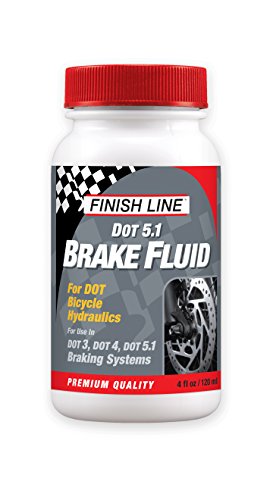
Engineered for Bicycles: Specifically formulated for use in all hydraulic disc brake systems

Brake Fluid DOT 4 – Reliable Performance: STP Synthetic DOT 4 brake fluid is designed to help protect brake systems and support consistent braking performance in a wide range of driving conditions
Preparing Your BMW
- Gather Necessary Tools:
- Before starting, ensure you have the required tools handy, such as a jack, jack stands, new brake fluid (like DOT 4 or DOT 5.1), a turkey baster, clear tubing, brake cleaner, gloves, and safety glasses.
- Park Safely:
- Park your BMW on a flat surface and engage the parking brake for added safety during the process.
Draining the Old Brake Fluid
- Locate Brake Fluid Reservoir:
- Open the hood of your BMW and locate the brake fluid reservoir near the back of the engine bay.
- Siphon Out Old Fluid:
- Use a turkey baster or similar tool to remove as much old brake fluid from the reservoir as possible without letting air enter the system.
- Bleed Brakes (Optional):
- If needed, bleed the brakes following your vehicle’s specific procedure to remove any remaining old fluid from the system thoroughly.
- Refill Reservoir:
- Slowly pour new brake fluid into the reservoir until it reaches the maximum fill line indicated on the container or reservoir itself.
- Test Brakes:
- After adding new fluid, perform a quick test by pressing gently on the brake pedal to ensure proper braking function before driving your BMW again.
By following these steps diligently and using quality materials like DOT 4 or DOT 5.1 brake fluids for your BMW maintenance needs, you’ll help ensure optimal performance and safety every time you hit the road.
Tips for Maintaining Your BMW’s Brake System
Keeping your BMW’s brake system in optimal condition is crucial for your safety and vehicle performance. Here are some essential tips to help you maintain your brakes effectively.
Recommended Products

Genuine OEM - direct fit
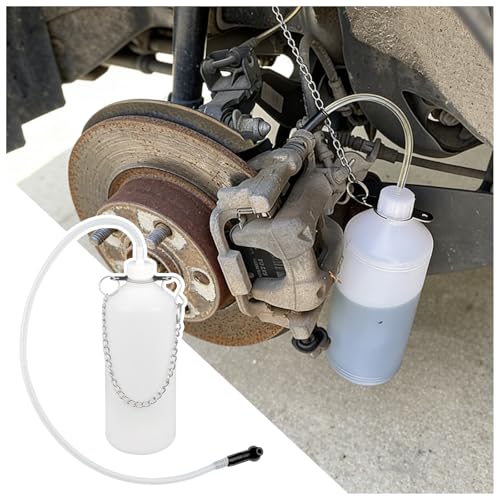
1L Bleeding Bottle: Our car brake bleed bottle can help you to collect the old brake fluid and help you to complete the brake system bleed work efficiently, 1L large capacity, no need to empty the fluid in the bottle frequently, the bottle cap is designed with a small hole as a venting holes

Regular Checks and Maintenance Tips
- Inspect Brake Fluid Regularly: Check the brake fluid level in the reservoir at least every six months. Ensure it meets the recommended level indicated on the reservoir.
- Monitor Brake Pads Wear: Keep an eye on your brake pads’ thickness regularly. If they are less than 3mm thick, consider replacing them to prevent damage to other components.
- Look for Leaks: Periodically inspect under your BMW for any signs of brake fluid leaks. Leaking fluid can compromise braking efficiency and should be addressed promptly.
- Check Brake Lines: Examine the brake lines for wear, corrosion, or damage. Damaged lines can lead to brake failure and should be replaced immediately.
- Test Brakes After Maintenance: After performing any maintenance or repairs on your brakes, test them in a safe environment before hitting the road to ensure they function correctly.
When to Seek Professional Help
If you notice any of the following signs or issues with your BMW’s braking system, it’s best to seek professional assistance:
- Spongy Brake Pedal Feel
- Grinding or Squealing Noises when Braking
- Vibrations or Unusual Sensations while Braking
- Dashboard Warning Lights Related to Brakes
- Uneven Brake Pad Wear
Addressing these concerns promptly can prevent further damage and ensure your BMW continues to perform at its best while keeping you safe on the road.
Conclusion
Ensuring your BMW’s brake system is in top condition is crucial for both performance and safety. Regularly checking and changing the brake fluid using quality materials like DOT 4 or DOT 5.1 fluids can help maintain optimal performance on the road. Remember to inspect brake fluid levels, monitor brake pads wear, check for leaks, examine brake lines, and test brakes post-maintenance. If you notice any issues such as a spongy brake pedal, unusual noises, vibrations, dashboard warnings, or uneven brake pad wear, seek professional assistance promptly to avoid further damage and ensure your BMW operates smoothly and safely.
Frequently Asked Questions
Why is it important to regularly check and change brake fluid in a BMW?
Regularly checking and changing brake fluid in a BMW is crucial to maintain optimal performance and safety. Brake fluid absorbs moisture over time, leading to decreased effectiveness, potential corrosion, and reduced braking performance.
What types of brake fluids are recommended for a BMW?
Quality materials like DOT 4 or DOT 5.1 fluids are recommended for BMW vehicles due to their high boiling points, which help prevent vapor lock and ensure consistent braking performance under various driving conditions.
What are some essential tips for maintaining a BMW’s brake system?
Essential tips include inspecting brake fluid levels regularly, monitoring brake pads wear, checking for leaks in the system, examining brake lines for damage or corrosion, and testing brakes after maintenance to ensure proper functionality.
When should I seek professional help for my BMW’s brakes?
Seek professional help if you experience issues such as a spongy brake pedal, unusual noises during braking, vibrations while stopping, dashboard warnings related to the braking system, or uneven wear on the brake pads. Professional assistance can prevent further damage and ensure optimal performance and safety on the road.
