

Have you ever wondered why maintaining your brake system is crucial for safe driving? Picture this: you’re cruising down the road when suddenly, you need to make an emergency stop. Your brakes should respond instantly and effectively. However, over time, brake fluid can accumulate moisture and contaminants, compromising your braking performance.
In this article, we’ll show you the importance of a brake fluid flush in keeping your brakes in top condition. By following simple steps to flush out old fluid and replace it with fresh, clean fluid, you can enhance your vehicle’s safety and reliability. Stay tuned to discover how this easy maintenance task can make a big difference in your driving experience.
Key Takeaways
- Brake fluid is crucial for proper brake system function, transmitting force from the pedal to brake components.
- Regular brake fluid flushes remove contaminants, ensuring optimal brake performance and preventing corrosion.
- Signs of degraded brake fluid include discoloration, spongy pedal feel, and burning smell while braking.
- It’s recommended to flush brake fluid every 2 years or as per manufacturer guidelines based on mileage or time.
- Performing a brake fluid flush involves draining old fluid, refilling with new fluid, and bleeding the brakes for effective results.
- Safety tips like wearing protective gear, proper ventilation, and using compatible fluids are essential during a brake fluid flush.
Understanding Brake Fluid and Its Role
Brake fluid is a crucial component of your vehicle’s braking system. It serves as a hydraulic medium that helps transmit the force from the brake pedal to the brake components, allowing you to slow down or stop your car effectively. Without proper brake fluid, your brakes won’t function correctly, compromising your safety on the road.
What Is Brake Fluid?
Brake fluid is a specially formulated liquid designed to withstand high temperatures and pressure within the braking system. It is typically glycol-based or silicone-based, with different types suited for specific vehicle requirements. This fluid plays a vital role in transferring force from the master cylinder to the brake calipers or wheel cylinders, enabling smooth and responsive braking action.
Why It Is Important to Flush Brake Fluid
Over time, brake fluid can absorb moisture from the air, leading to decreased effectiveness and potential corrosion within the braking system. Flushing out old brake fluid and replacing it with fresh fluid removes contaminants and ensures optimal performance of your brakes. Regularly flushing your brake fluid helps maintain proper hydraulic function, prevents rust or corrosion in metal components, and extends the lifespan of critical brake parts.
By understanding the significance of brake fluid in your vehicle’s braking system and recognizing why regular maintenance like flushing is essential, you can ensure that your brakes operate efficiently when needed most – enhancing both safety and performance while driving.
When to Perform a Brake Fluid Flush
Brake fluid is essential for maintaining the functionality of your brake system. Over time, it can degrade due to exposure to moisture and high temperatures, compromising your vehicle’s braking performance. Here’s when you should consider performing a brake fluid flush:
Recommended Products

Bleed Brakes Solo in Minutes: Take control of your brake maintenance with Orion Motor Tech's brake fluid bleeder kit. The built-in chain holds the bottle securely, giving you true hands-free operation so you can work efficiently on your own schedule

Specifications: The Brake Bleeder bottles can simply drain old brake fluid, rubber joints fit most bleeding screws, 60 cm (24 in) hose and chain with hooks to hold in place while collecting old brake fluid

【One-Person Brake Bleeding Made Easy】 Connects to air compressor to let you bleed brakes or clutch lines on your own—no need for a helper or repeated pedal pumping. Operates at 70–170 PSI (4.8–11.6 bar) for stable, professional results.
Signs of Degraded Brake Fluid
- Discolored Fluid: If your brake fluid appears dark or cloudy, it may indicate contamination and reduced effectiveness.
- Spongy Brake Pedal: A soft or spongy brake pedal could signal air or moisture in the brake lines caused by degraded fluid.
- Burning Smell: A burning odor while braking might suggest overheated brake fluid due to contaminants.
- Every 2 Years: It’s generally recommended to flush your brake fluid every two years to maintain optimal performance.
- As per Manufacturer Recommendations: Follow the specific guidelines provided by your vehicle’s manufacturer for flush intervals based on mileage or time.
Regularly monitoring the condition of your brake fluid and adhering to recommended flush intervals can help ensure that your brakes function effectively when you need them most.
How to Brake Fluid Flush: A Step-by-Step Guide
If you’re ready to tackle a brake fluid flush, follow this step-by-step guide to ensure your vehicle’s brake system stays in top condition.
Recommended Products

UNIVERSAL BLEEDING KIT: Orion Motor Tech's brake bleeding vacuum pump with an adapter set works with nearly any vehicle's system and lets you bleed your brakes, clutch, or any other vehicular hydraulic system in under 5 minutes all by yourself

Complete Kit: The brake system bleeding tools contain 2*6.02" long inlet hose, 2*13.77" long outlet hose, 2*check valve, 4*0.24" ID small clamps, 2*0.31" ID large clamps, 6*bleeder screw caps. Fit for hydraulic brakes on most motorcycles, cars, and bikes
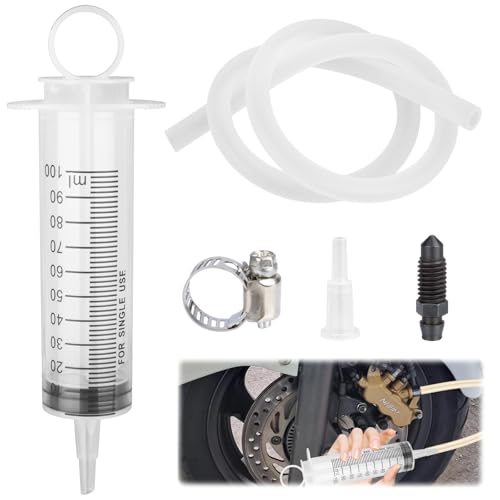
One Man Brake Bleeding :No more second person needed. Connect the system, build pressure, and flush brake fluid by yourself. This pressure brake bleeder kit quickly removes old fluid and trapped air for a firmer, more responsive brake pedal. Simple DIY brake service in your own garage.
Preparing Your Vehicle and Gathering Tools
First things first, park your car on a level surface and engage the parking brake. Gather the necessary tools and materials for the job:
- New brake fluid (check your vehicle’s manual for the correct type)
- Turkey baster or syringe
- Wrench
- Clear tubing
- Container to collect old fluid
- Rags or paper towels
Make sure you have everything within reach before starting the process.
Draining Old Brake Fluid
- Locate the master cylinder reservoir under the hood.
- Use the turkey baster or syringe to remove as much old fluid as possible.
- Refill the reservoir with new brake fluid to prevent air from entering the system.
- Attach one end of the clear tubing to the bleeder valve on one of the calipers.
- Place the other end in a container to collect old fluid.
- Have someone depress and hold down the brake pedal while you open the bleeder valve.
- Close the valve before releasing pressure on the pedal.
- Repeat this process for each caliper until clean fluid flows through.
- With all calipers flushed, check and refill the master cylinder reservoir with fresh brake fluid as needed throughout.
- Once you see clear, bubble-free fluid coming out of each caliper, tighten all bleeder valves securely.
- Double-check that there are no leaks around any connections in your braking system.
- Put back any components you removed during access like wheel covers or engine covers.
Safety Tips and Best Practices
When handling brake fluid, it’s crucial to follow safety tips and best practices to ensure a smooth process. Here are some guidelines to help you perform a brake fluid flush safely and effectively.
Handling Brake Fluid Safely
- Always wear protective gear like gloves and goggles when working with brake fluid to prevent skin irritation or eye damage.
- Keep the work area well-ventilated as brake fluid fumes can be harmful if inhaled for an extended period.
- Clean any spills immediately with a rag and dispose of it properly in accordance with local regulations.
- Avoid mixing different types of brake fluids as they may not be compatible, leading to potential braking issues.
- Store brake fluid in a sealed container away from direct sunlight and extreme temperatures to maintain its integrity.
- Begin by parking your vehicle on a level surface and engaging the emergency brake for added safety during the process.
- Follow the manufacturer’s instructions on which type of brake fluid is suitable for your vehicle to ensure compatibility.
- Use the correct tools such as a turkey baster, clear tubing, and fresh brake fluid before starting the flush procedure.
- Bleed the brakes after refilling the system to remove any air bubbles that could affect braking performance.
Conclusion
Regular brake fluid flushes are crucial for maintaining the performance and safety of your vehicle. By following recommended timelines and best practices, you can prevent issues like spongy brakes and discoloration caused by moisture and heat exposure. Remember to prioritize safety by wearing protective gear, ensuring proper ventilation, and storing brake fluid correctly. Using the right tools and adhering to manufacturer instructions are key for a successful flush. Don’t forget to bleed the brakes to guarantee optimal performance on the road. Stay proactive with your brake system maintenance to enjoy smooth and safe driving experiences for years to come!
Frequently Asked Questions
Recommended Products

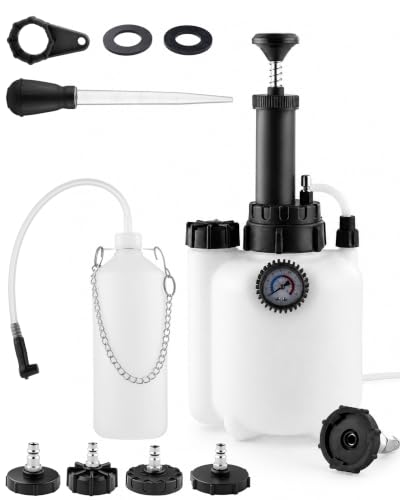
EFFICIENT ONE-PERSON BRAKE BLEEDING KIT: Say goodbye to needing a second person for brake maintenance. This complete brake bleeder kit allows a single user to quickly and efficiently flush old brake fluid and remove air bubbles from the brake and clutch systems. The kit includes a 3L pressure tank for fresh fluid, a 1L waste fluid collection bottle, and all necessary components for an effortless fluid change
Efficient Air Bleeding & Brake Restore — Transparent tubing gives real-time visibility as you flush air and old brake fluid from the system. Restores full brake sensitivity and response in minutes, no shop visit needed.

【Air-Free Bleeding. All Control】Ever had your master cylinder run dry while bleeding brakes? This bottle keeps fluid topped off so you don’t suck air into the lines—and restart the entire job. No more do-overs.
Why is brake system maintenance important?
Regular brake system maintenance ensures optimal performance and safety while driving. Neglecting maintenance can lead to brake fluid degradation, causing issues like spongy brakes or discoloration.
What is a brake fluid flush?
A brake fluid flush involves replacing old, degraded brake fluid with fresh fluid. This process helps remove moisture and contaminants that can compromise braking performance.
How often should I flush my brake fluid?
It is recommended to flush your brake fluid every two years or as per the manufacturer’s guidelines to maintain safe and efficient braking.
What are some safety tips for handling brake fluid?
When handling brake fluid, wear protective gear, ensure proper ventilation, and store it correctly to avoid skin contact or inhalation of harmful fumes.
Why is bleeding the brakes necessary after a fluid flush?
Bleeding the brakes removes air bubbles from the system, ensuring proper hydraulic pressure for effective braking performance.
