

Have you ever been caught in a sudden downpour only to find your windshield washer fluid is empty? It’s a frustrating situation that can make driving unsafe. Keeping your windshield clear is essential for visibility, and knowing how to add water to your washer fluid can save you from those last-minute scrambles.
In this article, you’ll learn just how easy it is to top off your windshield washer fluid. We’ll walk you through the simple steps, ensuring you’re never left in a bind again. With this quick guide, you’ll be ready to tackle any weather, keeping your drive safe and stress-free.
Key Takeaways
- Importance of Windshield Washer Fluid: Keeping washer fluid full is crucial for maintaining clear visibility while driving, especially during adverse weather conditions.
- Types of Washer Fluids: Familiarize yourself with different types such as concentrated, all-season, antifreeze, deicer, and specialty fluids to ensure optimal performance for your climate and needs.
- Signs of Low Fluid Levels: Watch for warning lights, weak spray, and dry wipers as indicators that it’s time to add water to your windshield washer fluid.
- Step-by-Step Filling Process: Locate the washer fluid reservoir, check the fluid level, add clean water carefully, and test the system after replacing the cap to ensure proper functioning.
- Seasonal Maintenance Tips: Adjust your washer fluid type according to the season—use antifreeze in winter and bug-removal formulas in summer—and perform regular checkups to avoid unexpected fluid failures.
Understanding Windshield Washer Fluid
Windshield washer fluid plays a crucial role in maintaining clear visibility. Keeping your washer fluid full ensures your windshield stays clean, especially during adverse weather conditions.
Importance of Windshield Washer Fluid
Windshield washer fluid removes dirt, grime, and other debris from your windshield. This action enhances your ability to see clearly while driving. Dirty or obstructed windshields can lead to accidents. Having sufficient washer fluid prevents unexpected visibility issues, particularly during heavy rain or following road construction. Always check the fluid level before long trips.
Common Types of Washer Fluids
Several types of windshield washer fluids cater to different needs:
- Concentrated Washer Fluid: This type must be mixed with water. It provides powerful cleaning capabilities and is often cost-effective.
- All-Season Washer Fluid: Formulated for year-round use, this fluid withstands a range of temperatures. It helps prevent freezing in winter and keeps your windshield streak-free in summer.
- Antifreeze Washer Fluid: Ideal for cold climates, this fluid prevents ice from forming on your windshield. Its antifreeze properties help maintain clear visibility even in frigid conditions.
- Deicer Washer Fluid: This fluid quickly melts ice and frost. It’s perfect for winter mornings when your windshield needs immediate attention.
- Specialty Washer Fluid: Some fluids are designed for specific uses, such as those containing rain repellent or additional cleaning agents.
Selecting the right type of washer fluid ensures your windshield remains clear, enhancing your driving experience. Always refer to your vehicle’s manual for the best recommendations.
When to Add Water to Windshield Washer Fluid
Maintaining the right level of windshield washer fluid is essential for clear visibility. You’d want to keep an eye on the fluid level for optimal performance.
Recommended Products

Melts ice & frost fast, -34 degrees F protection

advanced Water beading technology leaves no streaks and is glare free

Trusted Formula for Over 30 Years: Kristall Klar has been the choice for those who want a crystal clear view of the road ahead without the streaks and smears typical of standard washer fluids
Signs That Your Fluid Is Low
- Warning Light: Pay attention to the dashboard warning light. If it activates, the washer fluid is low.
- Weak Spray: Notice a weak spray when you activate the washer? This indicates insufficient fluid.
- Dry Wipers: If wipers cling to the windshield without fluid, it’s time to refill.
- Regular Maintenance: Regularly check fluid levels, especially before long trips or during season changes.
- Winter Needs: In winter, use antifreeze washer fluid. It’s crucial for preventing the fluid from freezing.
- Summer Usage: In summer, regular fluid works fine. However, consider a bug-removal formula for easier cleaning during warmer months.
- Temperature Changes: If temperatures drop suddenly, check fluid levels and switch to winter fluid quickly.
- Frequent Use: More frequent driving in heavy rain or snowy conditions requires checking the fluid level often, as you’ll use it more.
Being mindful of these signs and seasonal changes will ensure your windshield remains clear, promoting safety while driving.
How to Add Water to Windshield Washer Fluid
Maintaining adequate levels of windshield washer fluid is essential for clear visibility. Here’s a simple guide to adding water where necessary.
Recommended Products

Fitment Work well with most 12V cars with enough size to fit this washer pump. Universal car KEMIMOTO windshield washer is designed to fit most Car UTV ATVs boats and so on

Compatible with Chevy: For Chevry Camaro 2010-2021, Equinox 2010-2020, Cruze Volt 2011-2016, Sonic 2012-2020, Malibu 2013-2021, Corvette 2014-2021, Impala 2014-2020, Silverado 1500 14-16 18-20, Colorado 2015-2021, Silverado 2500HD 15-16 18-21, Silverado 3500HD 15-16 18-21, Suburban Tahoe 15-20, Trax 2015-2021, Spark 16-21 washer fluid reservoir cap

Compatible Models: OEM#3Q0955455, compatible with Volkswagen 2018-2022 Atlas, 2018-2021 GTI, 2018-2019 Tiguan, 2019-2021 Arteon, 2020-2021 Golf, 2020-2022 Atlas Cross Sport, 2021-2022 ID.4, etc. Please check OEM/size/model before placing an order
Step-by-Step Process
- Locate the Washer Fluid Reservoir: Find the reservoir under the hood of your vehicle. It’s usually marked with a blue or light-colored cap, often depicting a windshield with wipers.
- Check Fluid Level: Inspect the reservoir for the fluid level. Most reservoirs have a fill line indicating where the fluid should reach.
- Open the Cap: Twist or pull the cap carefully to avoid spills. Set the cap aside in a clean location.
- Add Water: Pour clean water into the reservoir until it reaches the fill line. If using distilled water, consider its purity and avoid adding other liquids that might compromise the system.
- Replace the Cap: Secure the cap back on tightly to prevent leaks or contamination.
- Test the System: Turn on your vehicle and activate the washer system to ensure it dispenses fluid properly.
- Ensure Engine’s Off: Always turn off the engine before working to avoid injuries or burns.
- Avoid Contaminants: Use clean water. Contaminated or dirty water can harm the washer system.
- Check Fluid Type: If adding washer fluid supplement, ensure it matches your vehicle’s needs.
- Stay Clear of Moving Parts: Keep hands and tools away from engine components while the hood is open.
Following these steps helps maintain a clear windshield, enhancing driving safety, especially in adverse weather conditions.
Tips for Maintaining Windshield Washer Fluid
Maintaining the right fluid in your windshield washer reservoir ensures clear visibility and safe driving. Follow these tips to keep your system in optimal condition.
Recommended Products

SUPER CONCENTRATED WASHER FLUID: 16 fl oz washer fluid bottle makes 165 gallons of summer blend washer fluid. Just pump three times per gallon of water, directly into your windshield washer fluid tank.

Windshield washer: 1 piece of concentrated cleaning tablet is equivalent to 1.05 gallon of glass cleaning fluid, with strong cleaning power, can easily clean the dust and stains on your windshield, make the windshield clean, and ensure the driving safety of the car
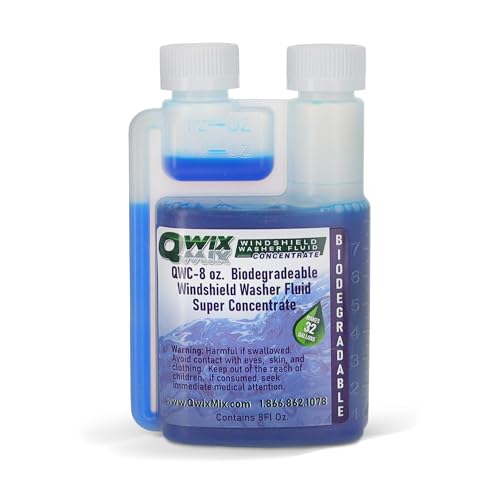
[Super Concentrated Savings] Qwix Mix windshield washer fluid concentrate makes up to 55 gallons of premium windshield washer fluid from one 8 oz bottle, saving money versus pre-mixed windshield washer fluids
Using the Right Mixture
Use a proper mixture of windshield washer fluid and water. For most conditions, a 50/50 mix provides effective cleaning power and freezing protection. During winter, consider a higher concentration of washer fluid to prevent freezing. For summer months, select a fluid with bug-removing properties. Always check the product label for recommended mixtures, especially if you’re using a concentrated fluid.
Regular Checkups
Perform regular checkups on your washer fluid levels. Check the fluid level every month or before long trips. If you notice low levels, refill it immediately to avoid running out during critical driving moments. Pay special attention during adverse weather, which can increase fluid usage. Additionally, inspect hoses and connections for leaks. If you spot dampness, address the issue promptly.
Conclusion
Keeping your windshield washer fluid topped off is key to safe driving. A clean windshield makes a world of difference in visibility especially during tough weather. By regularly checking your fluid levels and using the right mixture of washer fluid and water you ensure your system works effectively.
Don’t forget to inspect hoses and connections for any leaks to keep everything in tip-top shape. With a little attention and care your windshield washer system will be ready to tackle whatever the road throws your way. Stay safe and happy driving!
Frequently Asked Questions
Why is it important to maintain a full windshield washer fluid reservoir?
Maintaining a full windshield washer fluid reservoir is crucial for clear visibility, especially in adverse weather conditions. A full tank helps ensure that you can effectively remove dirt, debris, and grime from your windshield for safe driving.
What are the different types of windshield washer fluids available?
There are various types of windshield washer fluids, including standard cleaning solutions, antifreeze formulas for winter, and bug-removal solutions for summer. Each type is designed for specific conditions and cleaning needs, enhancing visibility while driving.
How often should I check my windshield washer fluid level?
It’s important to check your windshield washer fluid level regularly, especially before long trips. During heavy rain or snowy conditions, you should inspect it more frequently to ensure you have enough fluid for optimal visibility.
What should I do if my windshield washer fluid runs out?
If your windshield washer fluid runs out, refill it immediately with the appropriate type of fluid for your driving conditions. Avoid driving until you can fill the reservoir, as it compromises your ability to maintain a clear windshield.
How can I prevent my windshield washer fluid from freezing in winter?
To prevent your windshield washer fluid from freezing, use an antifreeze washer fluid. Make sure to check the label for temperature resistance, ensuring it’s suitable for the cold weather in your area.
What are the signs that my windshield washer system needs maintenance?
Signs that your windshield washer system may need maintenance include low fluid levels, streaky or ineffective cleaning, and visible leaks around hoses and connections. Regular inspections can help catch these issues early.
Is it safe to mix different types of windshield washer fluid?
Mixing different types of windshield washer fluid is not recommended, as it can affect performance. Stick to one type and ensure it fits your seasonal driving needs for optimal cleaning power and efficiency.
